Authentic Italian Pizza Dough That Ruins Takeout Forever

Forget delivery. One ball of proper dough turns your kitchen into Naples faster than your group chat can say “extra cheese.” This is the blueprint: simple ingredients, ridiculous flavor, and a texture that snaps, stretches, and blisters like it was born near Vesuvius.
You’ll mix it in minutes, let time do the heavy lifting, and end up with crust so good your toppings might feel underqualified. Ready to make the pizza that makes everyone ask for the recipe and then pretend they “winged it”?
Why This Recipe Never Fails
The magic is in the hydration and patience.
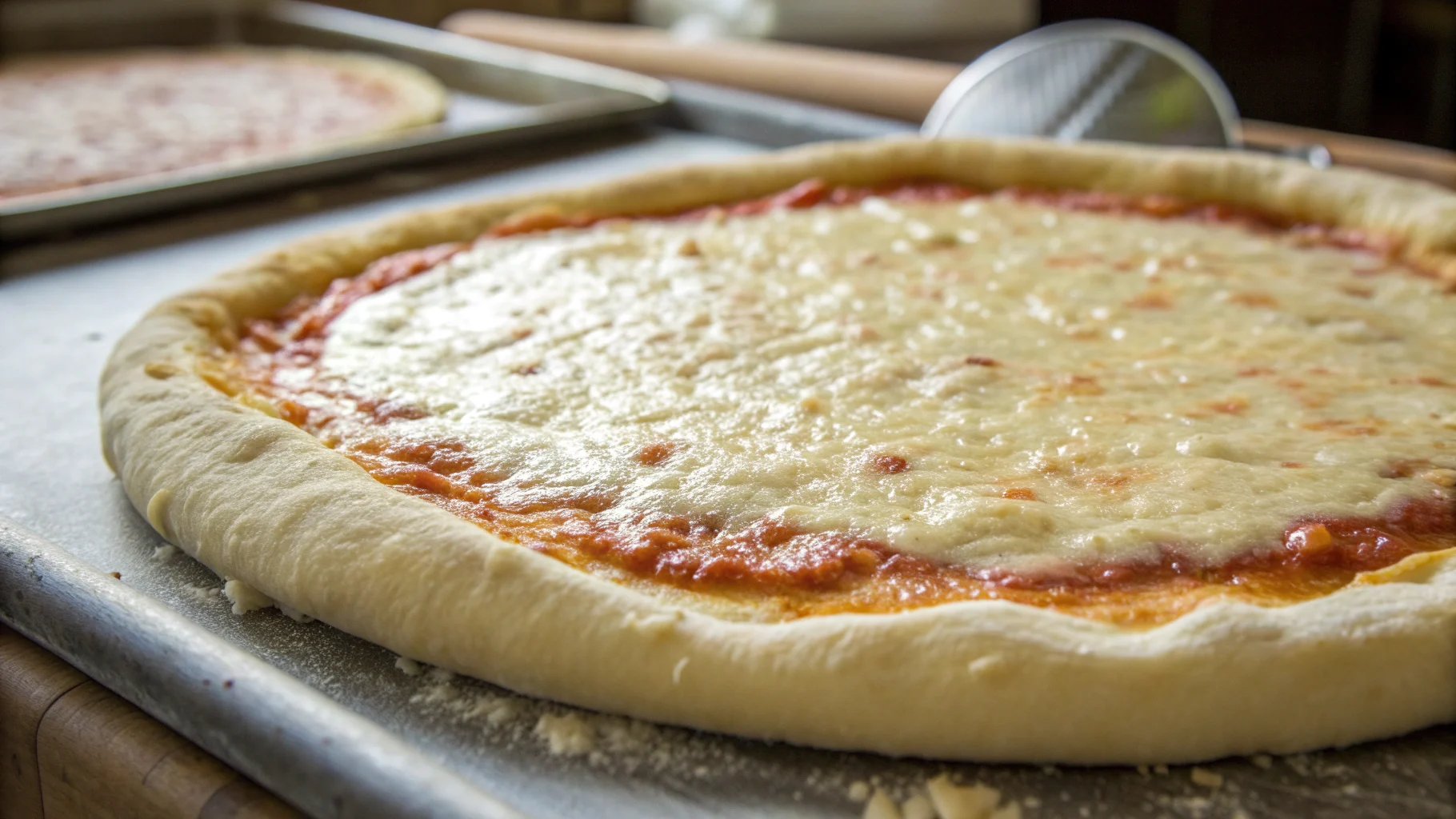
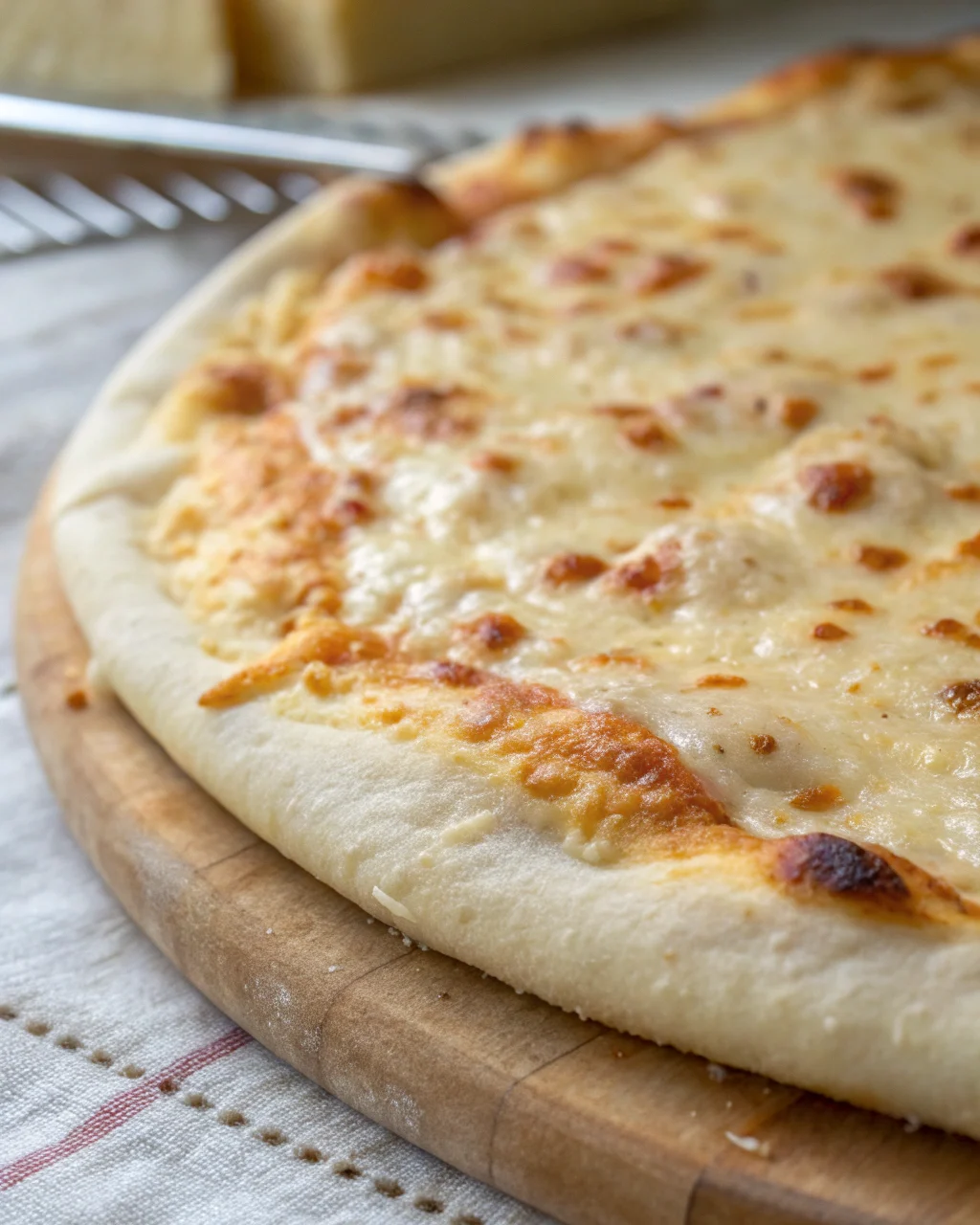
A slightly wetter dough, a slow rise, and high heat combine to build gluten, deepen flavor, and create those signature leopard spots. We stick to 00 flour for silkiness and strength, but offer swaps that still hit.
The method is forgiving, repeatable, and optimized for home ovens—no wood-fired ego required.
Authentic Italian Pizza Dough That Ruins Takeout Forever
Course: Dinner4
servings20
minutes6
minutes250
kcalIngredients
620 g 00 flour (or 550 g bread flour + 70 g all-purpose as a backup)
400 g water (65% hydration), room temperature
14 g fine sea salt
2 g instant yeast (or 3 g active dry yeast)
8 g extra-virgin olive oil (optional, for tenderness and browning)
Semolina or flour for dusting
Step-by-Step Instructions
- Mix the base: In a large bowl, whisk flour and salt. In a separate cup, combine water and yeast. If using active dry yeast, let it bloom 5–10 minutes until foamy.
- Hydrate the flour: Pour water-yeast into the flour. Stir with a fork or hand until no dry pockets remain. Add olive oil last and fold it in. The dough will look shaggy—perfect.
- Rest and fold: Cover and rest 20 minutes. With wet hands, perform 3–4 gentle stretch-and-folds: lift one edge, fold over, rotate the bowl, repeat. Do this twice, 20 minutes apart, until the dough smooths up.
- Bulk ferment: Cover and let rise until slightly puffy, 1–2 hours at room temp. Then move to the fridge for 18–24 hours for deeper flavor. No fridge? Let it go 6–8 hours at room temp until doubled.
- Divide and ball: Turn dough onto a lightly floured surface. Divide into 4 equal pieces (~260–270 g each). Tighten each into a smooth ball by tucking edges underneath.
- Final proof: Place balls in a lightly oiled tray or dough box. Cover and proof 60–90 minutes at room temp (or 2–3 hours if coming straight from a cold fridge) until airy and relaxed.
- Preheat like you mean it: Set a stone or steel on the top rack. Preheat to 550°F/290°C (or your max) for at least 45 minutes. Broiler on for the last 10 minutes if your oven allows.
- Shape with respect: Flour your hands and surface. Press each ball from the center out, leaving a 1-inch rim. Lift and stretch over your knuckles, letting gravity do the work. No rolling pin—unless you enjoy sad crust.
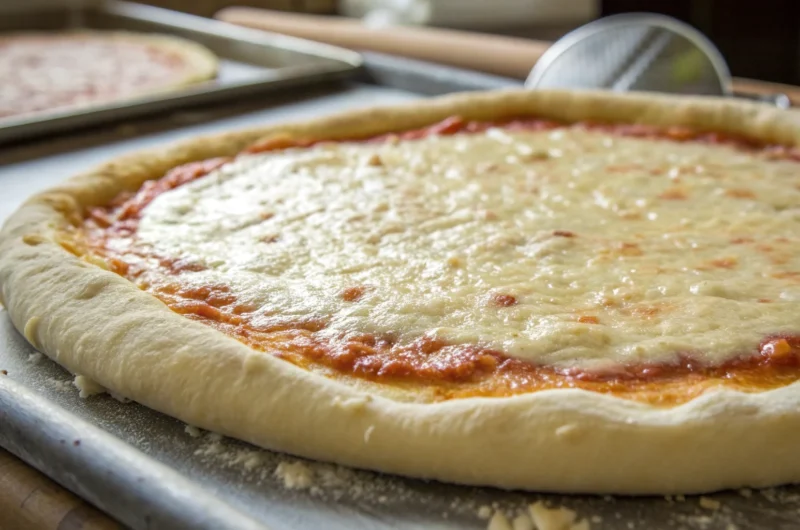
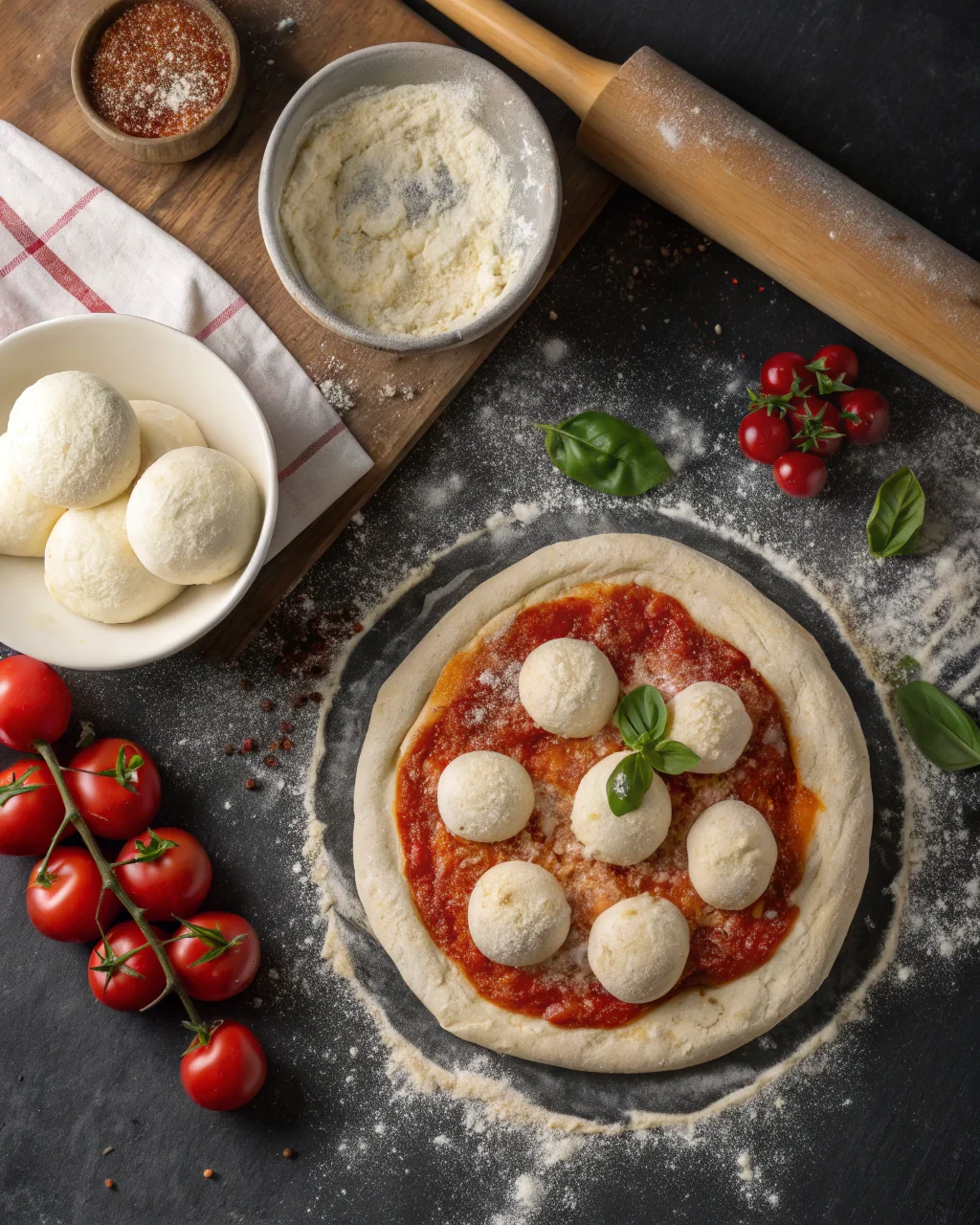
- Top lightly: Add a thin layer of crushed tomatoes, a sprinkle of salt, a drizzle of olive oil, and a few torn mozzarella pieces. Less is more; soggy is a choice.
- Bake hot and fast: Launch onto the stone/steel. Bake 6–8 minutes, rotating once. For char, finish 30–60 seconds under the broiler. In a pizza oven at 800–900°F: 90–120 seconds, turning frequently.
- Finish and serve: Rest 1 minute, scatter fresh basil, and slice. Try not to inhale it all before anyone notices.
Storing & Reheating Tips
- Fridge: Dough balls keep 48–72 hours, lightly oiled and covered.
They get tastier by day two.
- Freezer: Freeze dough balls individually in bags up to 3 months. Thaw overnight in the fridge, then proof 2–3 hours at room temp.
- Leftover slices: Reheat on a skillet over medium heat, lid on, 3–5 minutes.
Or on a baking steel at 450°F for 5 minutes. Microwave only if you like rubber bands.
Why This Recipe Rocks
- Neapolitan vibes, home-oven friendly. You get leoparding, chew, and a tender crumb without a backyard oven flex.
- Short ingredient list, big flavor. Salt, water, flour, time.
That’s the cheat code.
- Scalable and forgiving. Doubles easily, handles minor measurement errors, and still behaves like a pro.
Nutrition Stats
Per 10–11-inch crust (no toppings): ~250 calories, 9 g protein, 50 g carbs, 2.5 g fat, 2 g fiber, ~600 mg sodium (varies by salt). Add cheese, meats, or oil and adjust accordingly.
FYI, using olive oil in the dough adds tenderness and a bit of extra fat—worth it, IMO.
Watch Out for These Traps
- Over-flouring the bench. Too much bench flour tightens the dough and blocks browning. Dust lightly or use semolina.
- Rolling pins. They crush gas bubbles.
Hand-stretch to keep that airy rim.
- Over-topping. Sauce pools, cheese floods, crust sogs. Be minimal and confident.
- Under-proofing. Tight dough tears and won’t stretch.
Let it relax until soft and puffy.
- Cold stone/steel. If it’s not scorching hot, you’re baking bread with toppings. Preheat longer than you think.
Alternatives
- Flour swap: Use full bread flour; bump water to 410–420 g for similar tenderness.
- Same-day dough: Increase yeast to 5 g and proof 3–4 hours total at warm room temp.
Flavor is lighter, texture still solid.
- Gluten-free: Use a 1:1 gluten-free pizza blend with psyllium husk. Expect less oven spring but a crisp edge.
- Whole grain: Replace 15–20% of the flour with fine whole wheat; add 10–15 g more water.
- No 00 flour? Mix 60% bread flour + 40% all-purpose; keep hydration at 65–67%.
FAQ
Can I skip the cold ferment?
Yes, but the flavor won’t be as deep.
Do a warm, same-day rise and aim for a soft, pillowy dough. It’ll still crush takeout, promise.
Do I need a pizza stone or steel?
A steel is best for speed and char; a stone works well too.
In a pinch, preheat an inverted heavy baking sheet—just give it extra time to heat.
Why is my dough tearing?
Likely under-developed gluten or under-proofing. Add an extra fold during bulk, and let the balls rest longer before shaping.
Also, don’t fight the dough—coax it.
How thin should I stretch it?
Center should be translucent but not ripping, with a 1-inch rim. If it springs back, rest 5–10 minutes and try again.
Can I add sugar or honey?
Not necessary, but 5–10 g can boost browning in weaker home ovens.
Keep it minimal to avoid gummy texture.
What temperature is best for baking?
As hot as your oven goes—ideally 525–550°F. Use the broiler blast at the end for leopard spots.
In a pizza oven, 800–900°F is the sweet spot.
Chef’s Notes
Weigh everything. Grams keep you honest. The difference between “wow” and “why?” is usually hydration. Humidity and flour vary; if the dough feels stiff, wet your hands and fold in a splash of water early on. Respect the rest. Dough that resists shaping needs time, not force.
And yes, less topping = more pizza. Your crust is the star; let it speak, then brag about it later.
FYI: once you nail this, friends will “stop by” on Fridays. Consider it the compliment it is.