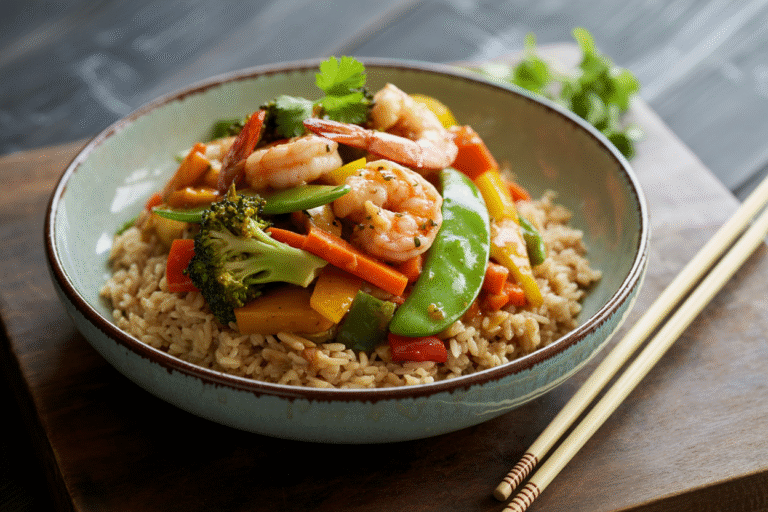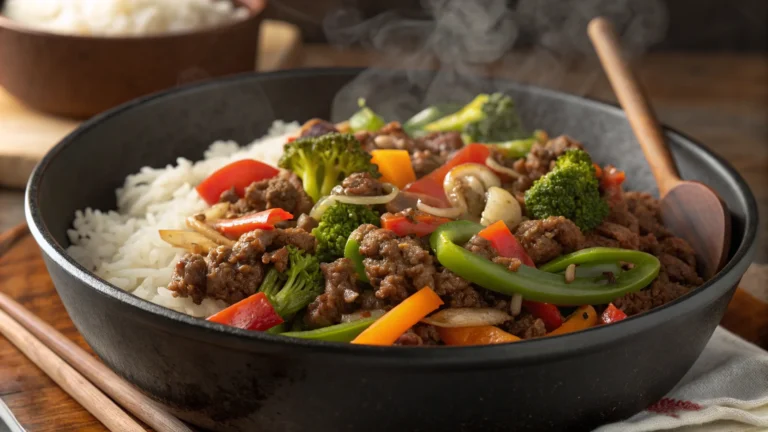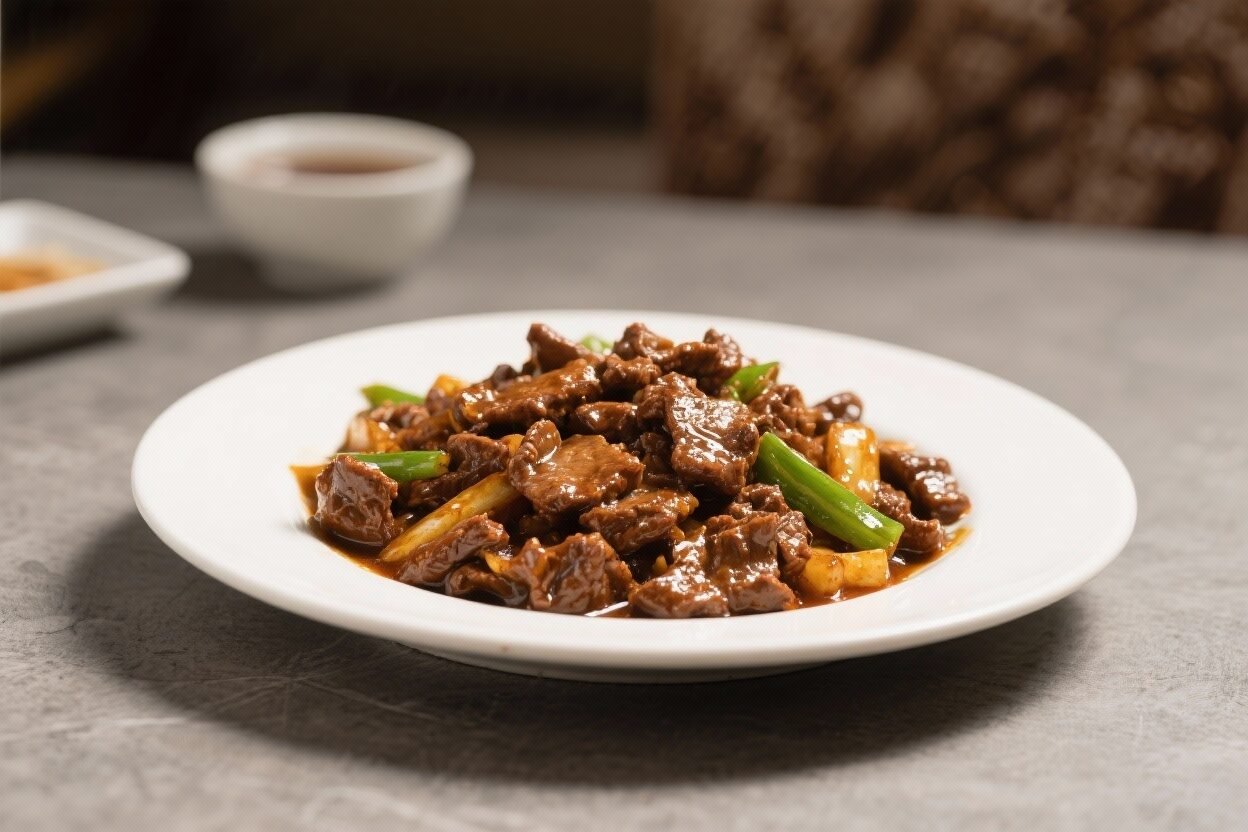
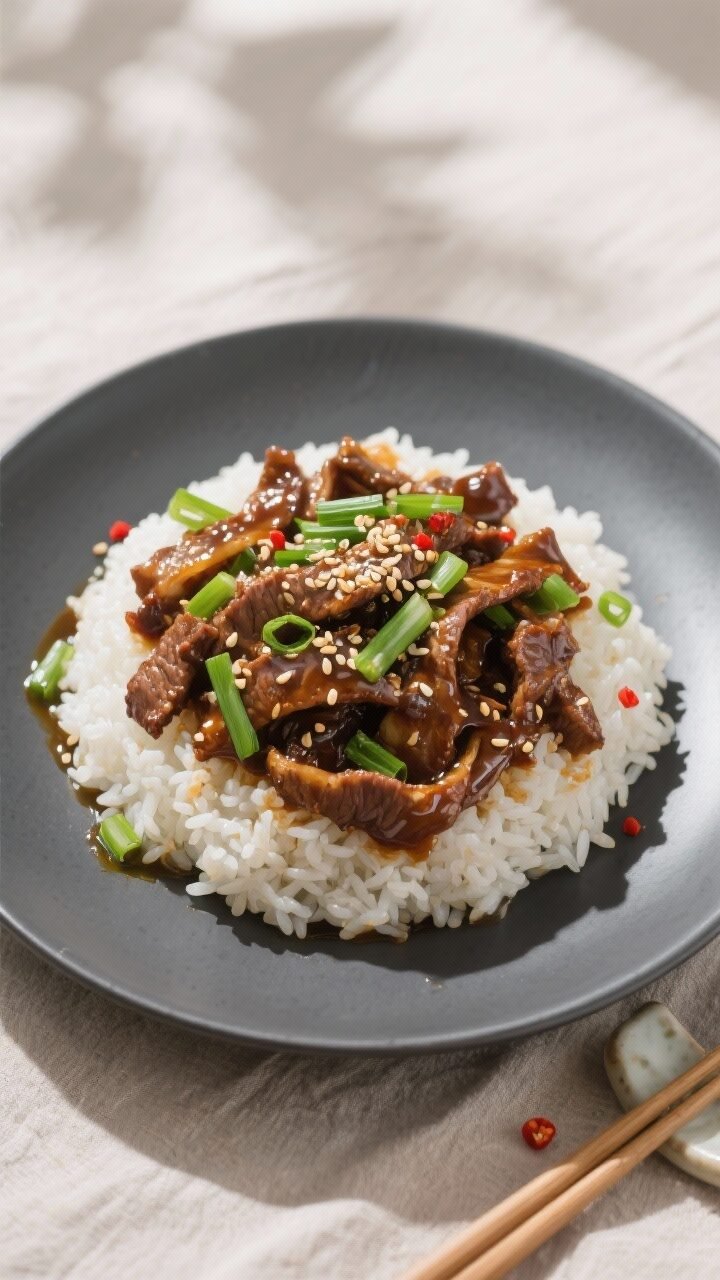
Classic Mongolian Beef – A Takeout Favorite Made Easy at Home

If you love the sweet-savory magic of takeout, Classic Mongolian Beef hits all the right notes. Tender slices of beef, a glossy sauce, and just enough heat make it incredibly satisfying. The best part?
It’s quick, uses simple ingredients, and tastes even better fresh from your pan. Whether you’re cooking for a weeknight dinner or craving a cozy treat, this dish is a crowd-pleaser. Pair it with rice or noodles, and you’re all set.
What Makes This Special
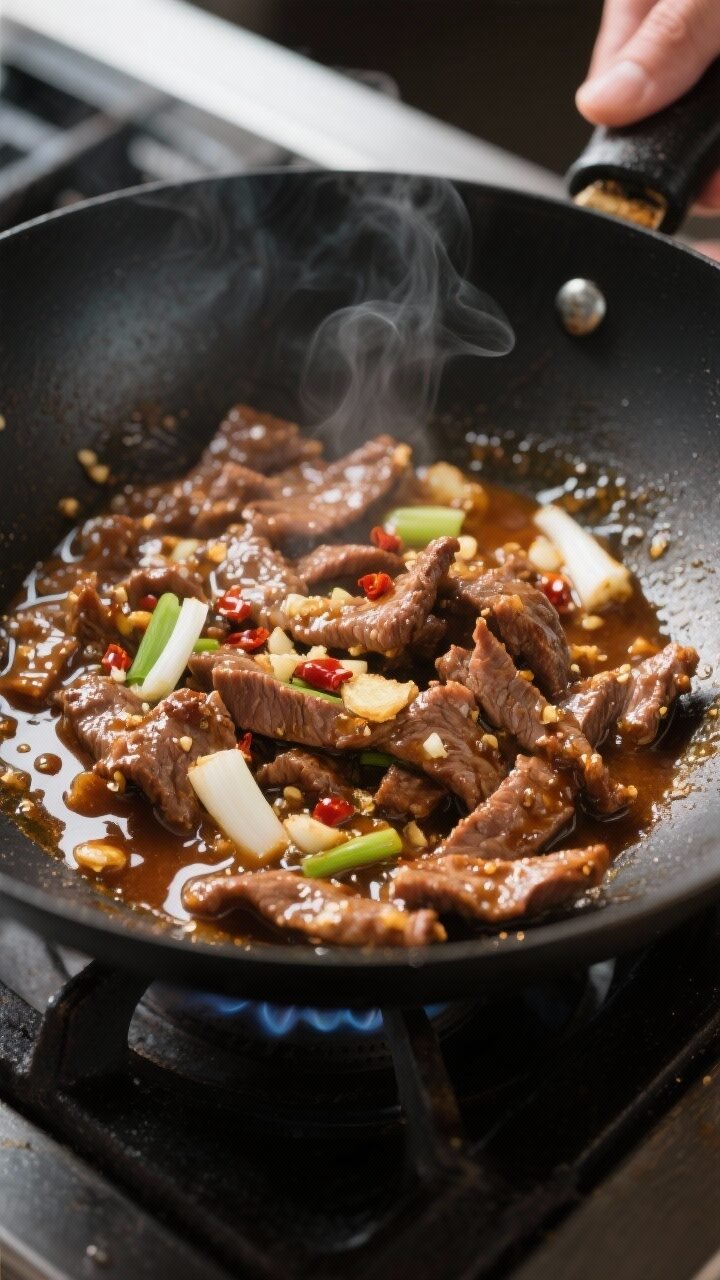
Classic Mongolian Beef is all about balance.
The sauce blends soy, brown sugar, garlic, and ginger for a flavor that’s bold but not heavy. You get crispy edges on the beef without deep-frying, thanks to a light cornstarch coating and a hot pan. It’s also customizable.
You can dial the sweetness up or down, add chili for heat, or toss in vegetables without losing that signature taste. Plus, it’s fast—most of the time goes into slicing the meat thinly.
Shopping List
- Beef: 1 to 1.5 pounds flank steak (sirloin or skirt steak also works)
- Cornstarch: 1/3 cup, for coating the beef
- Neutral oil: 3–4 tablespoons (canola, vegetable, or peanut oil)
- Garlic: 4 cloves, minced
- Fresh ginger: 1 tablespoon, finely grated
- Low-sodium soy sauce: 1/2 cup
- Brown sugar: 1/3 to 1/2 cup (adjust to taste)
- Water: 1/2 cup
- Rice vinegar or mirin (optional): 1 teaspoon, for brightness
- Red pepper flakes or fresh chili (optional): for heat
- Green onions (scallions): 4–5, cut into 1-inch pieces
- Sesame oil (optional): 1/2 teaspoon, for finishing
- Cooked rice or noodles: for serving
- Sesame seeds (optional): for garnish
Step-by-Step Instructions
- Slice the beef thinly. Freeze the steak for 20–30 minutes to firm it up. Slice against the grain into 1/4-inch strips.Pat dry with paper towels to remove excess moisture.
- Coat with cornstarch. Toss the slices in cornstarch until lightly coated. Shake off excess. Let the beef sit for 10 minutes so the cornstarch adheres—this helps create crisp edges and a glossy sauce later.
- Make the sauce. In a bowl, whisk together soy sauce, brown sugar, and water.Add rice vinegar or mirin if using. Adjust sugar to your taste—use less for a savory profile or more for classic sweetness.
- Prep aromatics. Mince the garlic and grate the ginger. Cut the green onions into 1-inch pieces, separating whites and greens if you like.
- Heat the pan properly. Use a large skillet or wok.Add 2 tablespoons of oil and heat over medium-high until shimmering. Don’t overcrowd the pan; work in batches for best sear.
- Sear the beef. Add a layer of beef and cook for 1–2 minutes per side until browned and just cooked through. Remove to a plate and repeat with remaining oil and beef.
- Sauté aromatics. Reduce heat to medium.Add a small splash of oil if needed. Cook garlic and ginger for 20–30 seconds until fragrant. Don’t let them burn.
- Build the sauce. Pour in the soy-sugar mixture.Simmer for 2–3 minutes until slightly thickened and glossy. If it’s too thin, let it bubble another minute; it thickens more when it hits the beef.
- Combine. Return beef to the pan along with the white parts of the green onions. Toss to coat for 1–2 minutes.Add chili flakes if you want heat. Finish with the green tops and a few drops of sesame oil.
- Serve. Spoon over steamed rice or toss with noodles. Garnish with extra scallions and sesame seeds.
Storage Instructions
- Fridge: Store leftovers in an airtight container for up to 3 days.
- Reheating: Reheat in a skillet over medium heat with a splash of water to loosen the sauce.Microwave works in a pinch, but the beef may not stay as tender.
- Freezer: Freeze up to 2 months. Thaw in the fridge overnight before reheating. The sauce may thicken; add a bit of water or broth when warming.
Health Benefits
- Protein-rich: Lean cuts like flank steak offer high-quality protein for muscle repair and sustained energy.
- Iron and zinc: Beef provides essential minerals that support immune function and oxygen transport.
- Ginger and garlic: These bring antioxidants and may help with digestion and inflammation.
- Customizable sodium and sugar: Using low-sodium soy sauce and adjusting brown sugar lets you manage the nutrition profile without sacrificing flavor.
- Add veggies: Broccoli, snap peas, or bell peppers boost fiber and vitamins without changing the dish’s character.
Pitfalls to Watch Out For
- Overcrowding the pan: This steams the beef and makes it tough.Cook in batches for a proper sear.
- Overcooking the meat: Thin slices cook fast. Pull them as soon as they brown to keep them tender.
- Burning the aromatics: Garlic and ginger scorch quickly. Keep the heat moderate and stir constantly.
- Too much cornstarch: A heavy coat can make the sauce gummy.Aim for a thin, even layer.
- Unbalanced sauce: Taste and tweak. Add a splash of vinegar for brightness, more soy for salt, or water to tame sweetness.
Alternatives
- Protein swaps: Use chicken thighs, pork tenderloin, or firm tofu (pressed and cornstarch-dusted). For tofu, pan-fry until crisp before adding to the sauce.
- Gluten-free: Use tamari or a certified gluten-free soy sauce.Check your cornstarch and vinegar labels to be safe.
- Lower sugar: Cut brown sugar to 2–3 tablespoons, or use coconut sugar. Add more ginger and a splash of vinegar to maintain depth.
- Veg-forward: Add broccoli florets, green beans, or bok choy. Stir-fry the vegetables first, set aside, then add back with the beef.
- Extra heat: Stir in sambal oelek, chili crisp, or sliced fresh chilies with the aromatics.
FAQ
What cut of beef works best?
Flank steak is classic because it’s lean and tender when sliced thin and cooked hot.
Skirt steak or sirloin also work well. Always slice against the grain for the best texture.
Can I make it ahead?
You can slice and coat the beef up to a few hours ahead and refrigerate it. Mix the sauce in advance, too.
Cook everything just before serving for the best crisp edges.
Why is my sauce too thick or too thin?
If it’s too thick, add a tablespoon or two of water and stir until smooth. If it’s too thin, let it simmer for another minute, or toss the beef longer to help the cornstarch thicken it.
Is Mongolian Beef actually Mongolian?
No. It’s a Chinese-American restaurant dish with flavors inspired by Chinese stir-fries.
Despite the name, it isn’t a traditional Mongolian recipe.
Can I bake the beef instead of pan-frying?
You can, but you’ll lose some of the signature sear. If you want to try it, spread cornstarch-coated slices on an oiled sheet and bake at 425°F (220°C) for 8–10 minutes, flipping once, then toss in the sauce.
What should I serve with it?
Steamed jasmine or basmati rice is the go-to. Rice noodles, stir-fried vegetables, or a simple cucumber salad also make great sides.
How do I keep the beef tender?
Slice thinly against the grain, don’t overcook, and use high heat for a quick sear.
You can also add a teaspoon of baking soda to the beef for 15 minutes before cooking, then rinse and pat dry, but it’s optional.
Final Thoughts
Classic Mongolian Beef is comfort food that’s fast, flexible, and reliable. With a handful of pantry staples and a hot pan, you can recreate that glossy, restaurant-style finish at home. Keep the heat high, season to your taste, and don’t rush the sear.
Once you master the rhythm, this becomes a weeknight staple you’ll make on repeat. Enjoy it your way—sweet, spicy, or somewhere in between.