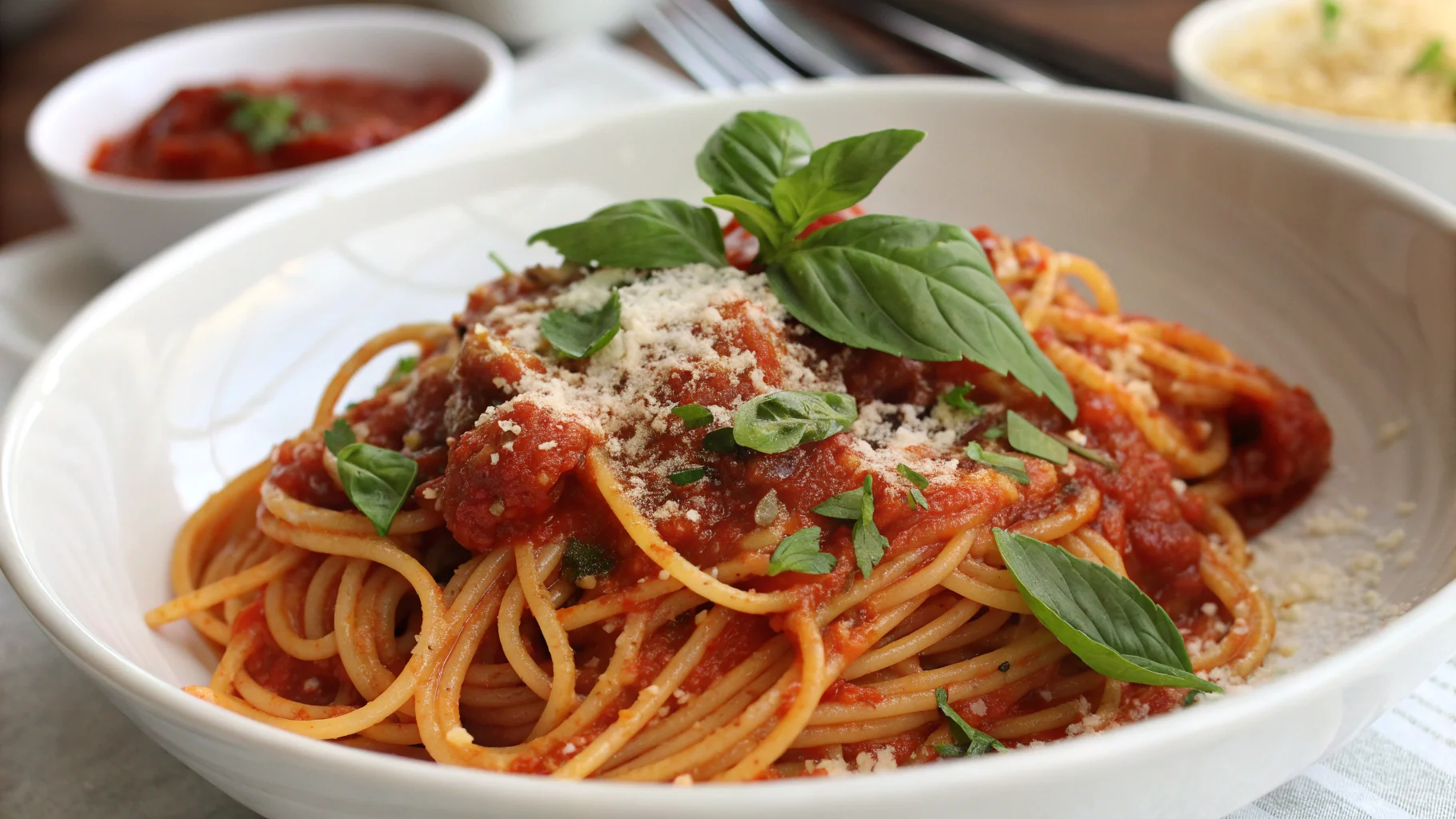
Classic Spaghetti Pomodoro: The 20-Minute Italian Fix

You don’t need a Nonna or a plane ticket to taste real Italian comfort—just a pan, tomatoes, and a little swagger.
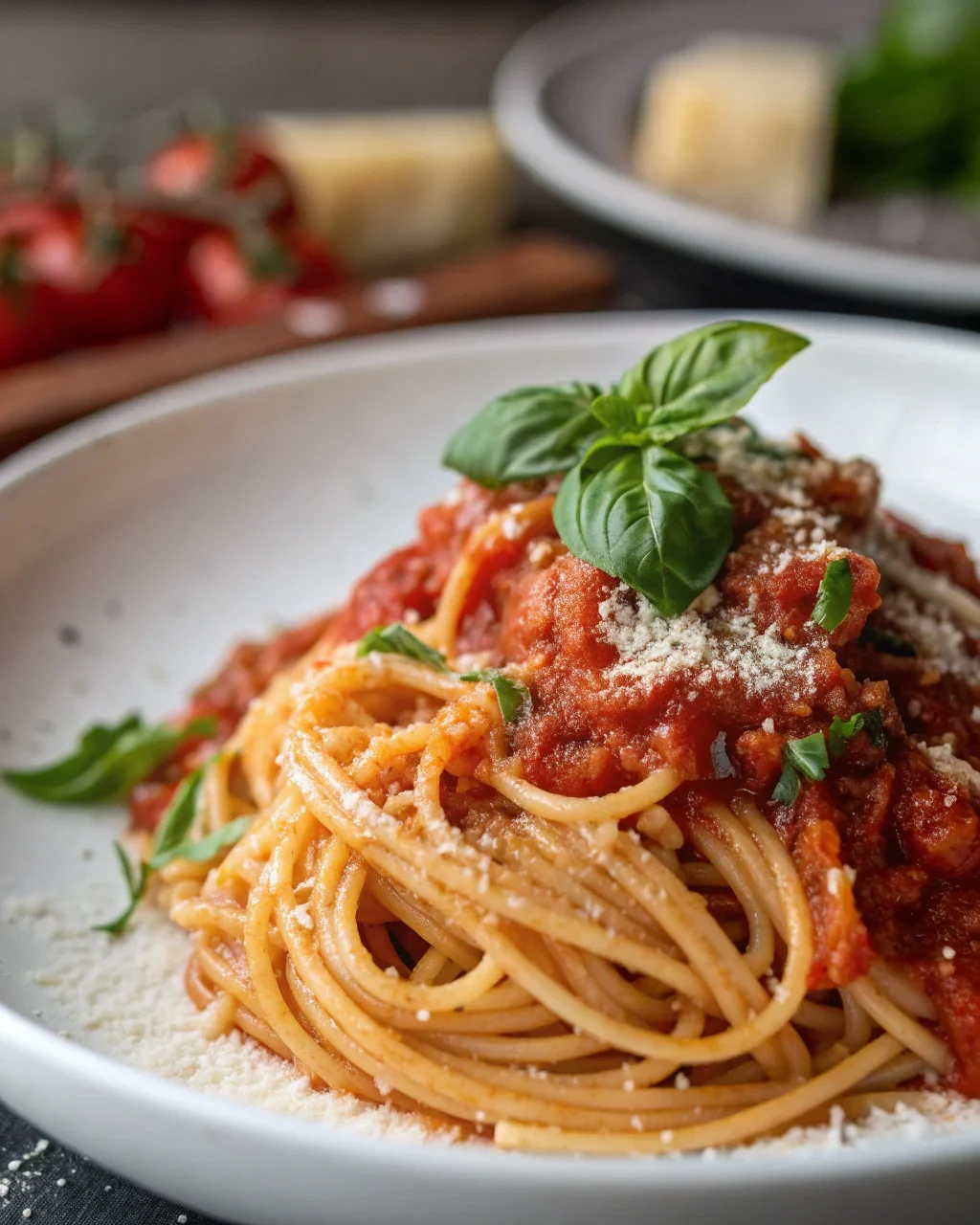
This Classic Spaghetti Pomodoro turns a handful of humble ingredients into a plate that tastes like a small miracle. No heavy cream, no drama—just silk-slick pasta and a sauce that hums with fresh tomato and basil.
It’s fast, affordable, and outrageously satisfying. Want restaurant-level flavor without the restaurant prices? This is your weeknight flex.
What Makes This Special
Classic Pomodoro is proof that less is more.
With just tomatoes, garlic, olive oil, and basil, you get a clean, bright sauce that coats every strand like it was meant to be there.
The secret is technique: gentle sautéing, a quick simmer, and finishing the pasta in the sauce with starchy cooking water. That’s where the glossy magic happens.
No shortcuts, no overcomplication—just solid fundamentals executed perfectly.
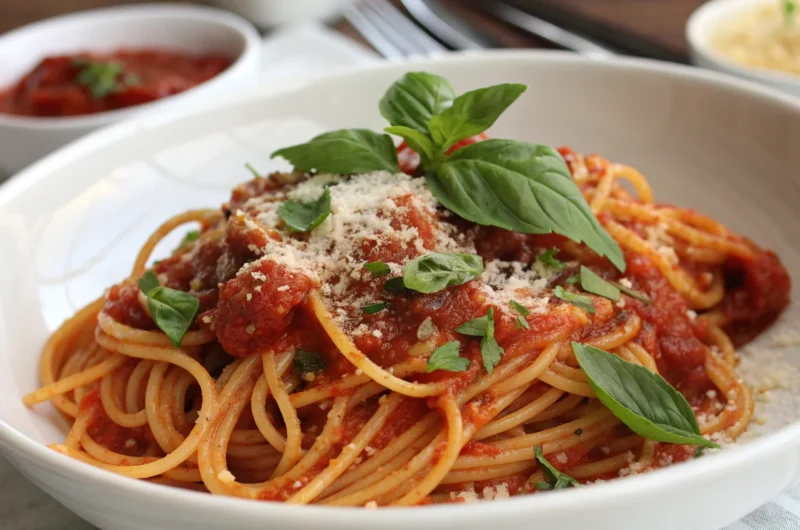
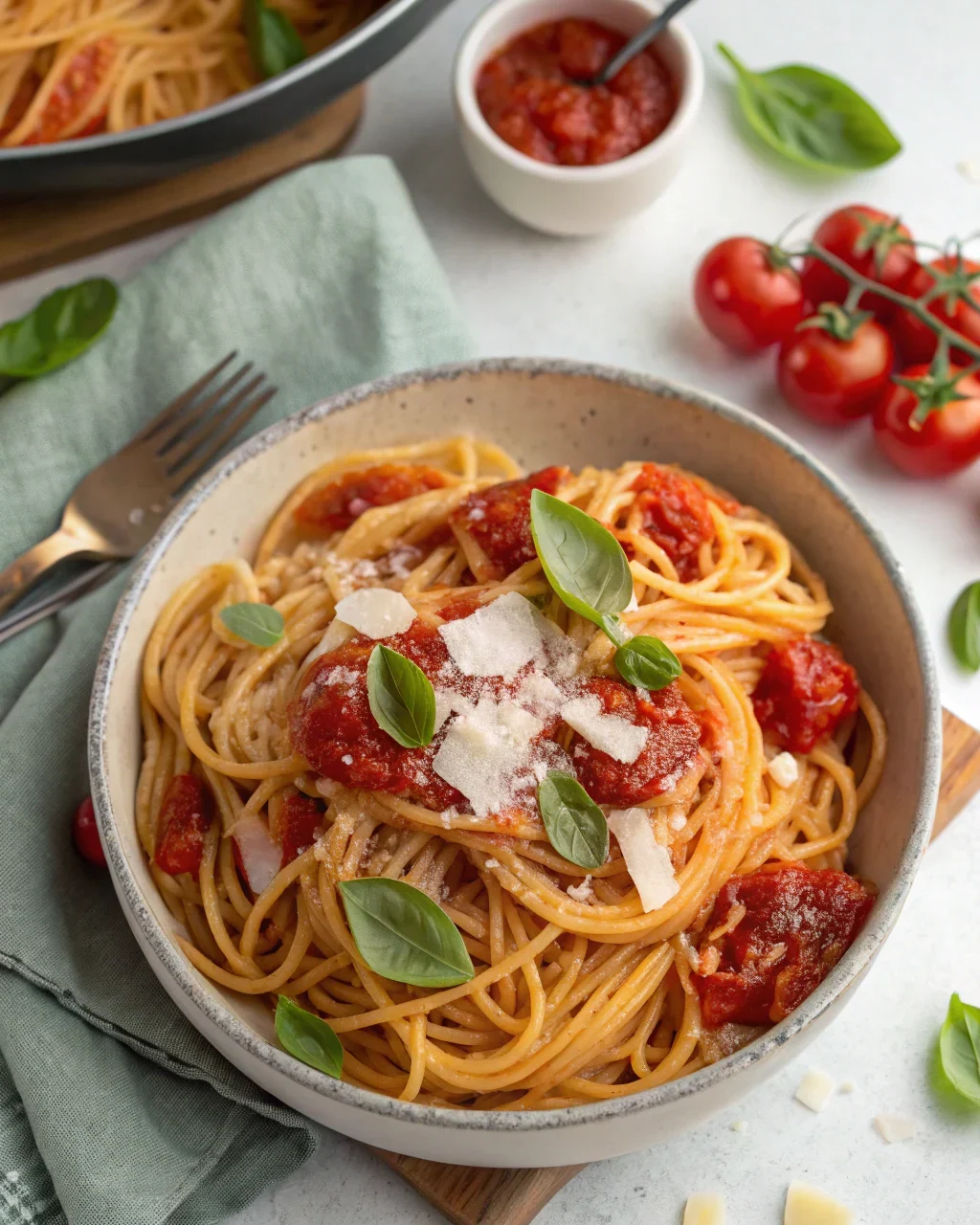
Classic Spaghetti Pomodoro: The 20-Minute Italian Fix
Course: Dinner, Pasta, Vegetarian4
servings10
minutes15
minutes520
kcalIngredients
12 oz (340 g) spaghetti
2 tbsp extra–virgin olive oil (plus more for finishing)
3–4 cloves garlic, thinly sliced
1 can (28 oz/800 g) whole peeled San Marzano tomatoes, crushed by hand or pulsed
1 small yellow onion, halved (used for perfume, optional)
Pinch of red pepper flakes (optional, but recommended)
1 tsp sugar (only if tomatoes taste overly acidic)
Kosher salt and freshly ground black pepper
1 small bunch fresh basil, torn
2 tbsp unsalted butter or a splash of olive oil to finish (optional but dreamy)
Freshly grated Parmigiano–Reggiano, for serving
Step-by-Step Instructions
- Bring a large pot of water to a rolling boil: Salt it like the sea—about 2 tablespoons kosher salt for a big pot. This is your first flavor layer.
- Warm a large skillet or wide saucepan over medium heat: Add the olive oil and sliced garlic. Cook until the edges go just golden and fragrant, about 60–90 seconds. Don’t let it burn—bitter garlic is a vibe killer.
- Stir in a pinch of red pepper flakes: Immediately add the crushed tomatoes to halt the garlic from browning further. If using, drop in the halved onion for subtle sweetness.
- Season with a big pinch of salt and a few grinds of pepper: Simmer gently for 10–12 minutes, stirring occasionally. You’re aiming for bright, slightly thickened, and still lively—not a heavy stew.
- Taste the sauce: If it’s sharply acidic, stir in up to 1 teaspoon sugar. Remove the onion halves and discard.
- Meanwhile, add spaghetti to the boiling water: Cook 1–2 minutes less than package directions—al dente with a bite. Scoop out 1 cup of starchy pasta water before draining.
- Transfer the undercooked spaghetti straight into the simmering sauce: Toss vigorously over medium heat for 1–2 minutes, adding splashes of pasta water as needed to loosen and emulsify.
- Finish with butter or a generous glug of olive oil for that silky sheen: Tear in fresh basil off the heat and toss gently so it perfumes the dish without turning bitter.
- Plate, shower with Parmigiano–Reggiano, crack more pepper, and serve immediately: The clock is ticking—sauces don’t wait.
Keeping It Fresh
- Storage: Refrigerate leftovers in an airtight container for up to 3 days. The sauce alone freezes great for 2 months.
- Reheat: Warm gently in a skillet with a splash of water or stock until glossy again.
Microwaves are fine—just stir halfway.
- Make-ahead: Cook the sauce up to 48 hours in advance. Boil pasta fresh and finish together for best texture, FYI.
Healthy Highlights
- Tomatoes = lycopene power: Gently cooked tomatoes can increase lycopene availability, a potent antioxidant.
- Olive oil fats: Mostly monounsaturated, supportive of heart health when used instead of saturated fats.
- Portion-smart carbs: Spaghetti fills you up, especially when paired with a green salad to add volume without calorie overload.
- Low-ingredient, high-control: You know exactly what’s in it—no mystery additives, no hidden sugars (unless you add a tiny pinch).
Nutrition Stats
Per serving (approximate, with butter and cheese): Calories: 520, Protein: 16 g, Carbohydrates: 78 g, Fat: 16 g, Saturated Fat: 5 g, Fiber: 5 g, Sodium: 620 mg. Numbers vary based on salt, cheese, and your hand’s enthusiasm.
Avoid These Mistakes
- Under-salting the pasta water: Bland water = bland noodles = sad dinner.
Salt confidently.
- Overcooking the garlic: It goes from gold to bitter in seconds. Watch it like a hawk.
- Skipping the pasta-in-sauce step: Finishing together with pasta water creates that glossy emulsion. Don’t just dump sauce on top.
- Boiling the sauce hard: You’ll lose brightness and concentrate bitterness.
Gentle simmer only.
- Adding basil too early: Heat dulls its aroma. Add at the end for prime fragrance.
Variations You Can Try
- Cherry Tomato Burst: Swap canned for 1.5 lbs fresh cherry tomatoes. Blister in olive oil, then crush lightly for a sweet, jammy sauce.
- Garlic-Lemon Pop: Finish with lemon zest and a squeeze of juice for extra zing.
Great with grilled shrimp, IMO.
- Spicy Arrabbiata-ish: Double the red pepper flakes, add a minced fresh chili, and finish with parsley.
- Creamy Fake-Out: Stir in a spoon of mascarpone or ricotta off heat for a light, silky finish without heavy cream.
- Whole-Wheat or Gluten-Free: Use your preferred pasta and adjust cooking time. Reserve extra pasta water; GF pasta releases less starch.
- Umami Boost: Add an anchovy fillet with the garlic and melt it down. No fishy flavor—just depth.
FAQ
Can I use diced tomatoes instead of whole peeled?
Yes, but whole peeled usually gives a smoother, richer sauce when crushed.
Diced often contain calcium chloride to hold shape, which can limit breakdown. If using diced, simmer a few extra minutes and mash lightly.
Is fresh pasta okay here?
It works, but fresh cooks super fast and releases less starch. Keep the simmer low, toss gently, and add a bit more olive oil or a knob of butter to help emulsify.
Do I need sugar?
Only if your tomatoes taste sharply acidic.
Start with a pinch, taste, and adjust. Good San Marzano tomatoes often need zero sugar.
What’s the best basil to use?
Genovese basil is classic for its sweet, peppery aroma. Tear, don’t chop, to avoid bruising and darkening.
How do I make it vegan?
Skip the butter and Parmesan.
Finish with extra-virgin olive oil and use a vegan hard cheese or nutritional yeast. Still delicious, still silky.
Can I add protein without wrecking the sauce?
Absolutely. Grilled chicken, sautéed shrimp, or pan-crisped chickpeas play nicely.
Add at the end so the sauce stays bright and the protein doesn’t overcook.
A Few Last Words
Classic Spaghetti Pomodoro is the Tuesday night hero that eats like Saturday date night. It’s fast, fresh, and borderline addictive when you nail the texture and timing. Keep the ingredients honest, the heat controlled, and the basil for last.
Then watch everyone at the table go quiet—that’s the sound of success. Ready to make it again tomorrow? Thought so.