Homemade Spinach Ricotta Ravioli Recipe: The Weeknight Flex

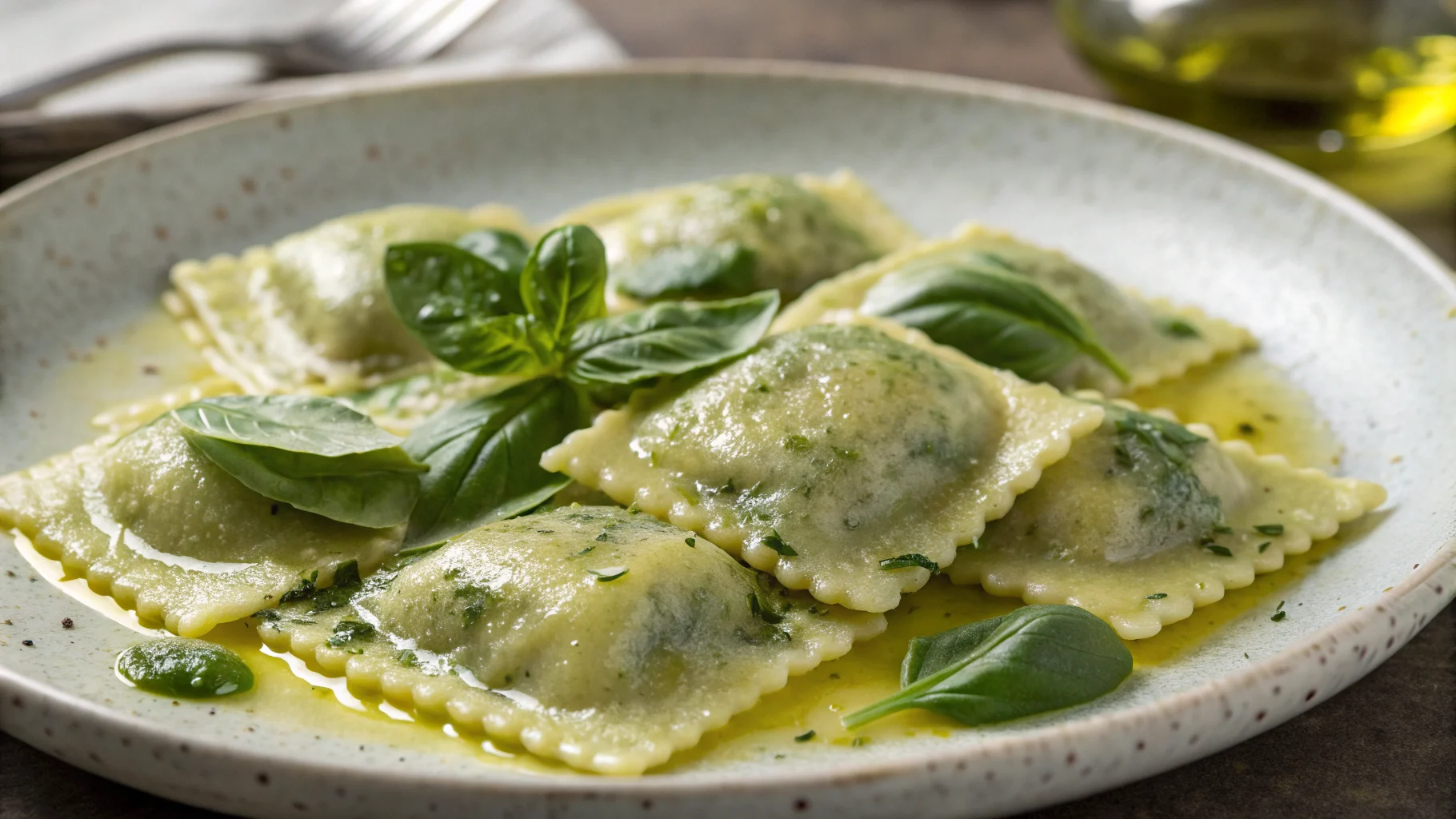
Picture this: silky pasta pillows, a creamy spinach-ricotta center, and a butter-sage drizzle that tastes like you hired a private chef.
No reservations, no $28 entrée, just your kitchen and a little confidence.
This isn’t “grandma’s all-day” pasta—this is streamlined, efficient, and wildly rewarding.
You’ll fold, seal, boil, and boom: restaurant-level ravioli. Ready to show off a bit? Thought so.
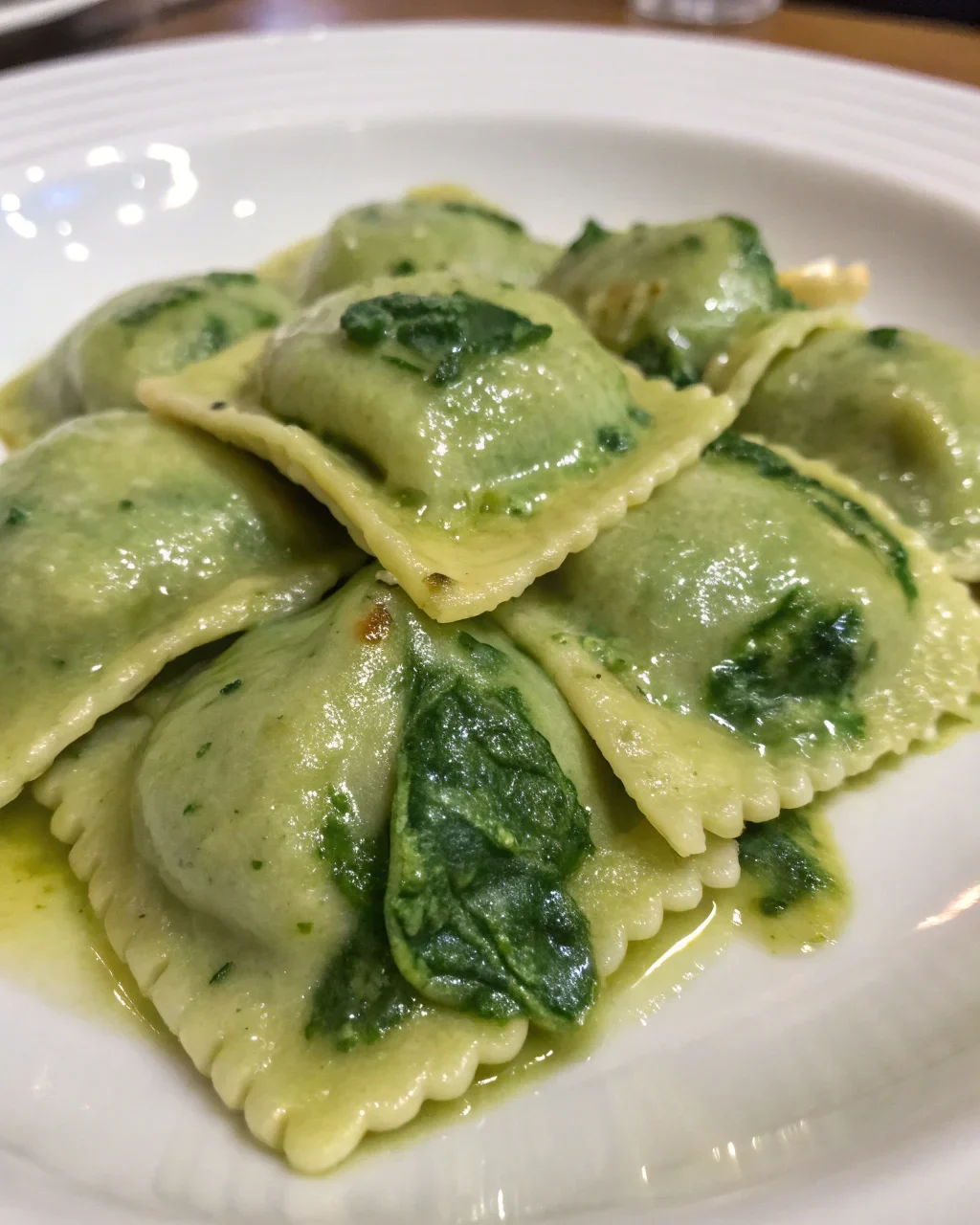
What Makes This Recipe Awesome
- Big flavor, small effort: Pantry-friendly dough, ultra-creamy filling, minimal fuss.
- Better than store-bought: Thinner pasta, brighter spinach, and you control the salt.
Win-win.
- Freezer-friendly: Make a batch once, enjoy twice. Future you says thanks.
- Customizable: Swap herbs, add lemon zest, or fold in mushrooms—this dough plays nice.
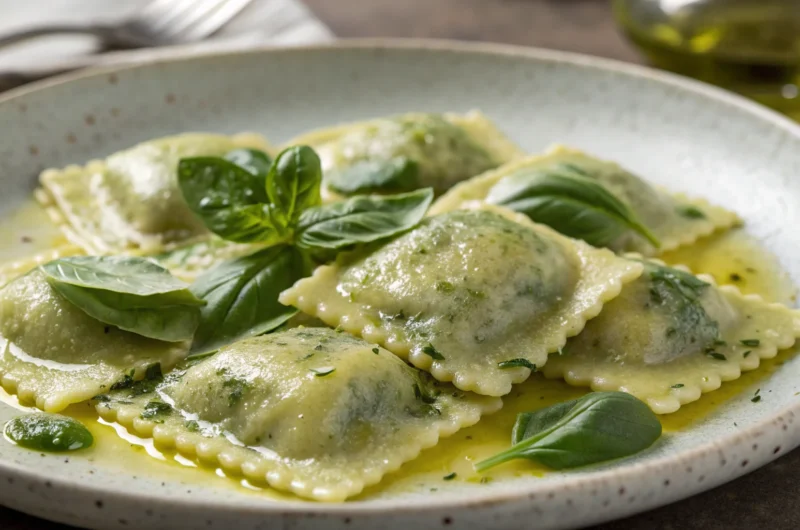
Homemade Spinach Ricotta Ravioli Recipe: The Weeknight Flex
Course: Dinner, Pasta4
servings45
minutes8
minutes520
kcalYour Shopping Basket
- For the pasta dough:
2 cups (250 g) 00 flour or all-purpose flour, plus extra for dusting
3 large eggs
1/2 teaspoon fine sea salt
1 teaspoon olive oil (optional, for elasticity)
- For the filling:
10 oz (285 g) fresh spinach or 6 oz (170 g) frozen spinach, thawed
1 cup (250 g) whole-milk ricotta, well-drained
1/2 cup (50 g) finely grated Parmesan or Pecorino
1 large egg yolk
1 garlic clove, minced
1/4 teaspoon freshly grated nutmeg
1/2 teaspoon lemon zest
1/2–3/4 teaspoon kosher salt, to taste
Freshly ground black pepper
- For finishing:
4 tablespoons unsalted butter
8–10 fresh sage leaves
Extra grated Parmesan
Flaky salt and lemon wedges (optional)
Step-by-Step Instructions
- Make the dough: Mound the flour on a clean surface, make a well, and add eggs, salt, and olive oil. Whisk the eggs with a fork, then gradually pull in flour until a shaggy dough forms. Knead 8–10 minutes until smooth and elastic. Wrap and rest 30 minutes.
- Prep the spinach: If using fresh, sauté in a dry skillet until wilted; cool. Squeeze spinach in a clean towel until bone-dry, then chop finely. If using frozen, thaw fully and squeeze the life out of it—moisture is the enemy.
- Mix the filling: Stir spinach with ricotta, Parmesan, egg yolk, garlic, nutmeg, lemon zest, salt, and pepper. Taste and adjust salt. Filling should be thick, not runny.
- Roll the pasta: Divide dough in half. Using a pasta machine or rolling pin, roll each piece to thin sheets (setting 6 on most machines; you should see your hand’s shadow through it). Keep sheets lightly floured and covered with a towel.
- Portion the filling: On one sheet, place 1 teaspoon mounds of filling spaced about 1.5 inches apart. Lightly brush around each mound with water.
- Seal and cut: Lay a second sheet over the top, gently press out air around each mound, and seal firmly. Cut into squares with a knife or fluted cutter. Crimp edges with a fork if you like. Transfer to a floured tray.
- Boil like a pro: Bring a large pot of generously salted water to a rolling boil. Add ravioli in batches and cook 2–3 minutes after they float. They should be tender with a slight bite.
- Sauce and serve: Meanwhile, melt butter in a skillet over medium heat until foamy; add sage and cook until the butter turns nutty and golden. Toss cooked ravioli gently in butter. Finish with Parmesan and a whisper of lemon if you’re feeling fancy.
Keeping It Fresh
- Refrigerate: Store cooked ravioli up to 2 days in an airtight container. Reheat gently in butter or a splash of pasta water—microwaves are not your friend.
- Freeze uncooked: Arrange on a floured sheet, freeze until solid, then bag for up to 6 weeks. Boil from frozen, adding 1–2 extra minutes.
- Drain ricotta: If ricotta is watery, strain in a sieve lined with a coffee filter 30 minutes.
Less moisture equals better sealed ravioli.
Better-for-You Benefits
- Protein + calcium: Ricotta and Parmesan bring muscle-loving protein and bone-friendly calcium.
- Leafy greens win: Spinach supplies iron, folate, and vitamin K—your body’s “thanks for caring” package.
- Smarter fats: Butter-sage sauce uses modest butter for big flavor—portion-controlled decadence, IMO.
- Clean label: No additives, no mystery fillers. Just real ingredients you can pronounce.
Nutrition Stats
Per serving (about 6 ravioli with butter-sage sauce): Calories: ~520; Protein: ~22 g; Total Fat: ~22 g; Sat Fat: ~12 g; Carbs: ~56 g; Fiber: ~3 g; Sodium: ~780 mg. Values will vary with pasta thickness and your Parmesan “enthusiasm.”
Mistakes That Ruin the Recipe
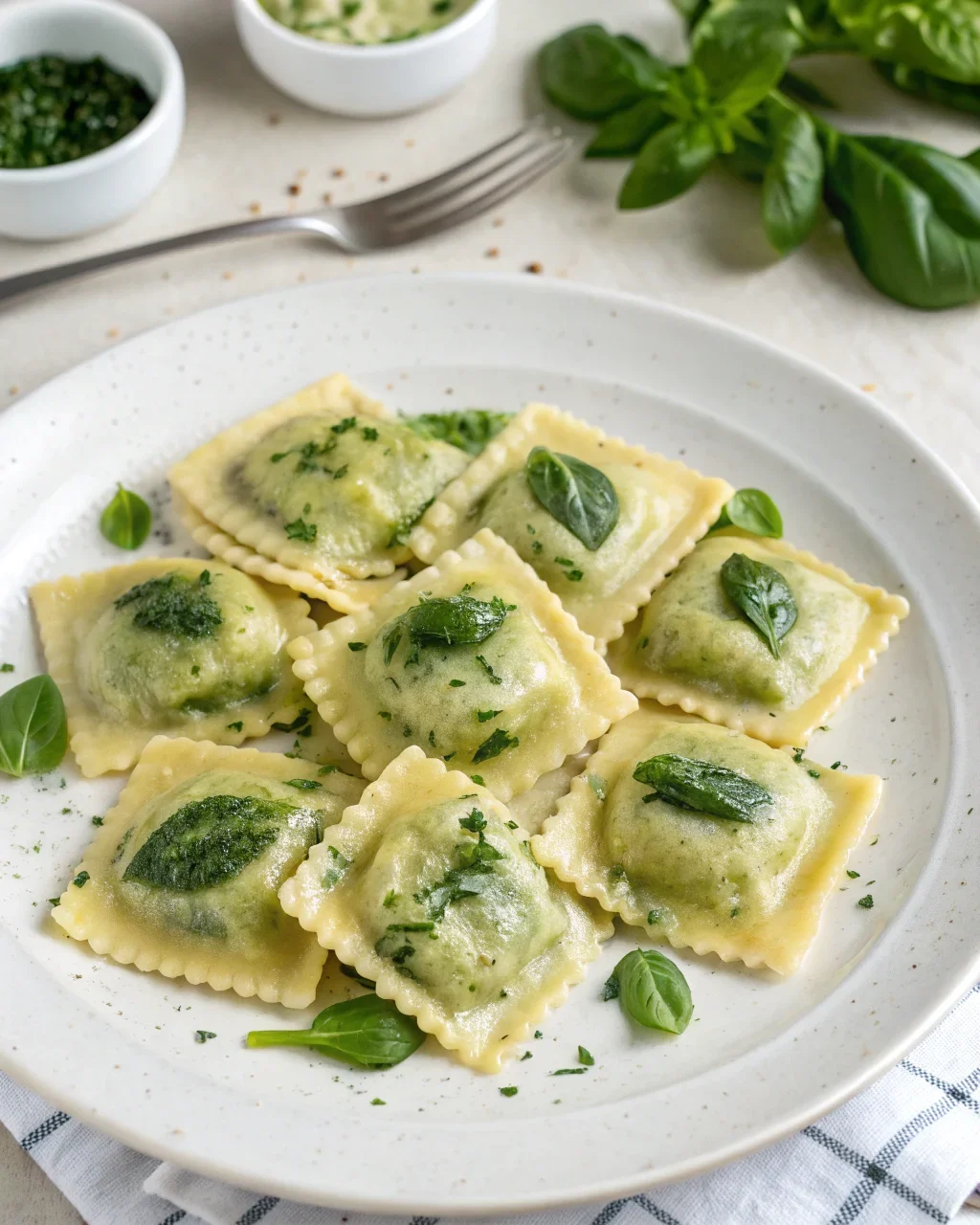
- Wet filling: If the spinach or ricotta is watery, the ravioli burst.
Squeeze and strain like you mean it.
- Air pockets: Trapped air inflates and explodes. Press around the filling to push air out before sealing.
- Too thick dough: Clunky ravioli never cook evenly. Roll thinner than you think, then go a notch thinner.
- Under-salted water: Pasta water should taste like the sea.
Bland water = bland pasta.
- Overcrowding the pot: They’ll stick and tear. Cook in batches; patience is cheaper than tears.
Creative Twists
- Lemon-pepper uplift: Add extra zest and cracked black pepper to the filling; finish with a squeeze of lemon.
- Mushroom umami: Fold in 1/2 cup finely chopped sautéed mushrooms to the filling for depth.
- Herb garden: Mix in chopped basil, parsley, or chives. Fresh herbs make the filling pop.
- Tomato-garlic bath: Skip butter-sage and simmer briefly in a light marinara with chili flakes.
- Gluten-free path: Use a 1:1 gluten-free flour blend with xanthan; roll gently and seal carefully.
FAQ
Can I make the dough in a food processor?
Yes.
Pulse flour and salt, add eggs and oil, and process until it forms a ball. Knead by hand 2–3 minutes to finish the gluten development, then rest.
What if I don’t have a pasta machine?
Use a rolling pin and patience. Work in halves, flour lightly, and roll until the sheet is nearly translucent.
It’s a workout, but your arms will forgive you when you taste it.
How do I keep ravioli from sticking?
Dust trays with flour or semolina and space them out. After boiling, toss immediately with butter or a splash of olive oil. No sticky situations, literally.
Can I use cottage cheese instead of ricotta?
Yes—pulse it in a blender for a smoother texture and drain well.
Season a touch more, as cottage cheese can be milder.
Why are my ravioli bursting?
Likely too much moisture, trapped air, or a weak seal. Dry the filling thoroughly, press out air, and seal with a light water brush and firm pressure.
What sauce besides butter-sage works?
Light marinara, brown butter with toasted walnuts, or a garlic-olive oil emulsion with chili flakes. Keep it simple so the filling shines, FYI.
Chef’s Notes
- Precision pays: Weigh the flour if possible for consistent dough.
Humidity is sneaky; adjust with a teaspoon of water or flour as needed.
- Test one first: Boil a single raviolo to check seasoning and seal. Fix now, not after a pot of casualties.
- Flavor boosters: A pinch more nutmeg or lemon zest can turn “good” into “wow.” Don’t overdo it—subtlety wins.
- Serve hot, not molten: Butter-sage sauce tastes best off the heat with a splash of pasta water to emulsify. Silky > greasy.
- Leftover magic: Crisp cold ravioli in a skillet with a bit of butter for a golden, gnocchi-like snack.
Dangerous in the best way.