Neapolitan Style Pizza Dough Recipe – Light, Chewy, and Classic

Neapolitan pizza dough is all about balance: a soft, airy crust with a light chew and a gentle tang from slow fermentation. It’s simple at heart—just flour, water, yeast, and salt—but the method brings it to life. If you’ve ever wondered how pizzerias get that leopard-spotted, tender crust, this is your starting point.
With a little patience and the right technique, you can make restaurant-quality dough at home. This recipe keeps things clear and approachable, whether you’re baking on a steel in your oven or a stone in a backyard pizza oven.
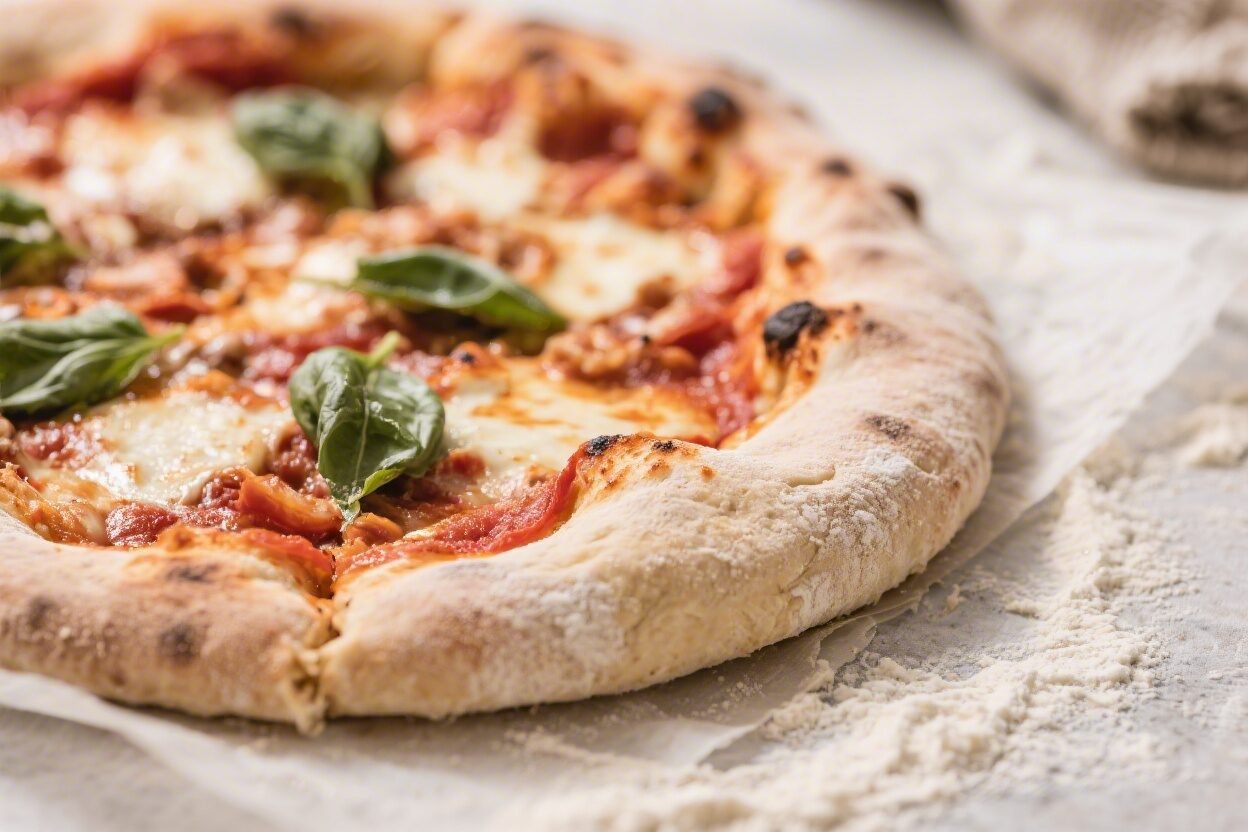
Neapolitan Style Pizza Dough Recipe - Light, Chewy, and Classic
Ingredients
Method
- Measure your ingredients. For four 10–12 inch pizzas: 650 g Tipo 00 flour, 420 g water (about 65% hydration), 14 g fine sea salt, and 2 g instant yeast (about 1/2 tsp).If using active dry yeast, use 3 g (about 3/4 tsp) and bloom it in a bit of the water first.
- Mix the water and salt. In a large bowl, dissolve the salt fully in the water. This helps distribute it evenly and keeps the yeast happy later.
- Add flour and yeast. Add most of the flour (save 50 g) and the yeast to the salted water. Stir with your hand or a sturdy spoon until it forms a shaggy dough.Sprinkle in the remaining flour as needed to bring it together.
- Rest briefly. Let the dough sit for 15 minutes. This short rest hydrates the flour and makes kneading easier.
- Knead gently. Knead by hand on a lightly floured surface for 8–10 minutes until smooth and elastic. The dough should be soft and slightly tacky but not sticky.If it’s sticking a lot, dust with a touch more flour—but avoid overdoing it.
- First rise (bulk fermentation). Place the dough in a clean bowl, cover, and let it rise at room temperature until it has increased by about 50% in volume, 1–2 hours depending on temperature. You’re not looking for a full double here.
- Divide and shape balls. Turn the dough out and portion into four equal pieces (about 270–280 g each). Shape into tight balls by tucking the edges under and rotating against the counter to build surface tension.
- Second rise. Place dough balls in a proofing box or on a floured tray with space between them.Cover well. Let them ferment: Room temp, same day: 4–6 hours until soft, puffy, and relaxed.
- Cold ferment: 24–72 hours in the fridge for deeper flavor. Bring to room temp for 60–90 minutes before shaping.
- Preheat your oven. For a home oven, place a pizza stone or steel on the top rack and preheat at the highest setting (500–550°F/260–290°C) for at least 45–60 minutes.For a pizza oven, aim for 750–900°F (400–480°C).
- Prepare your workspace. Lightly flour your counter with 00 flour or a blend of flour and semolina. Have your sauce, cheese, and toppings ready. Keep it simple to avoid weighing down the dough.
- Stretch the dough. Press a dough ball into a 6-inch round, leaving a thicker rim.Lift and use the backs of your hands to gently stretch to 10–12 inches. Do not use a rolling pin—it crushes the air pockets.
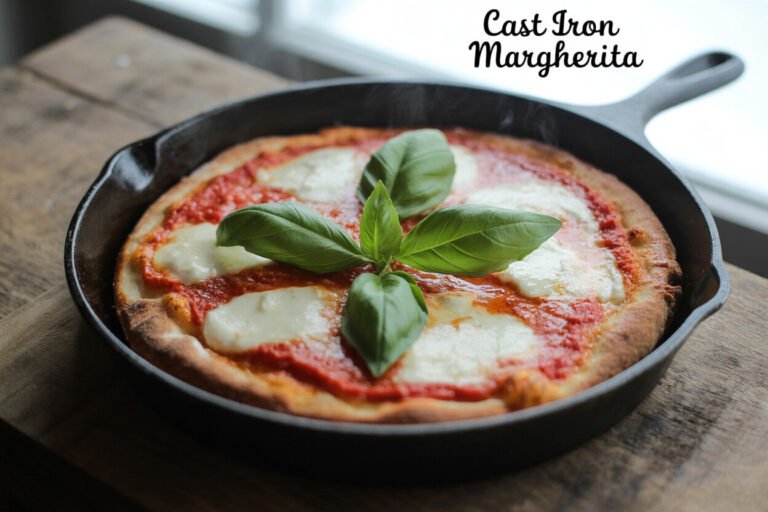
- Top lightly. Add a thin layer of crushed tomatoes with salt, a few torn pieces of fresh mozzarella, and a drizzle of olive oil. Less is more here.
- Bake hot and fast. Launch onto the stone/steel.In a home oven, bake 6–8 minutes, rotating once; switch to broil for the last minute if needed for better charring. In a pizza oven, bake 60–90 seconds, turning frequently for even leopard spotting.
- Finish and serve. Add fresh basil and a light drizzle of olive oil after baking. Let it rest 1–2 minutes, then slice and enjoy.
What Makes This Special
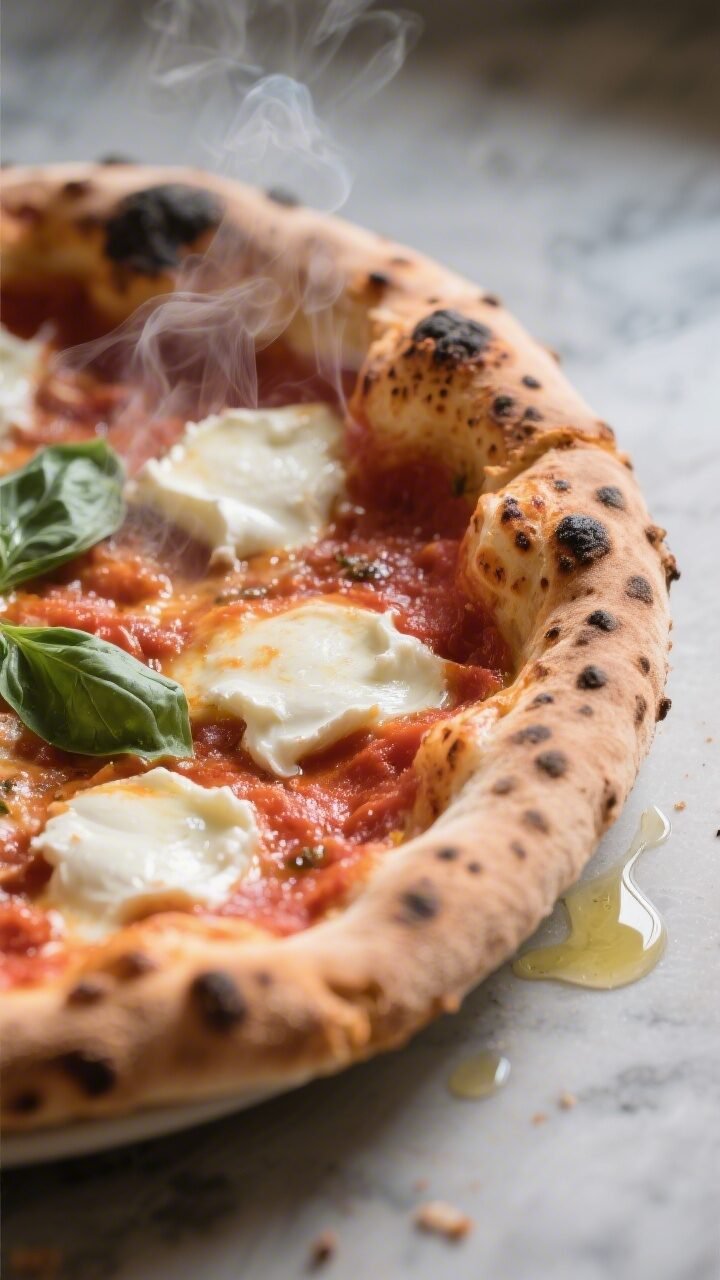
This dough follows the spirit of true Neapolitan style: minimal ingredients, long fermentation, and a high-heat bake. The result is a crust that’s light, stretchy, and flavor-packed without being bready or dense.
The slow rise builds subtle complexity—no sugar or oil needed.
It’s also flexible. You can ferment at room temperature for same-day pies or let it rest in the fridge for added flavor. And while a blazing-hot oven is ideal, you’ll still get an excellent crust with a pizza stone or steel in a standard oven.
Shopping List
- Tipo 00 flour (or bread flour if 00 isn’t available)
- Water (room temperature)
- Fine sea salt
- Instant yeast or active dry yeast
- Semolina or extra flour (for dusting)
How to Make It

- Measure your ingredients. For four 10–12 inch pizzas: 650 g Tipo 00 flour, 420 g water (about 65% hydration), 14 g fine sea salt, and 2 g instant yeast (about 1/2 tsp).If using active dry yeast, use 3 g (about 3/4 tsp) and bloom it in a bit of the water first.
- Mix the water and salt. In a large bowl, dissolve the salt fully in the water. This helps distribute it evenly and keeps the yeast happy later.
- Add flour and yeast. Add most of the flour (save 50 g) and the yeast to the salted water. Stir with your hand or a sturdy spoon until it forms a shaggy dough.Sprinkle in the remaining flour as needed to bring it together.
- Rest briefly. Let the dough sit for 15 minutes. This short rest hydrates the flour and makes kneading easier.
- Knead gently. Knead by hand on a lightly floured surface for 8–10 minutes until smooth and elastic. The dough should be soft and slightly tacky but not sticky.If it’s sticking a lot, dust with a touch more flour—but avoid overdoing it.
- First rise (bulk fermentation). Place the dough in a clean bowl, cover, and let it rise at room temperature until it has increased by about 50% in volume, 1–2 hours depending on temperature. You’re not looking for a full double here.
- Divide and shape balls. Turn the dough out and portion into four equal pieces (about 270–280 g each). Shape into tight balls by tucking the edges under and rotating against the counter to build surface tension.
- Second rise. Place dough balls in a proofing box or on a floured tray with space between them.Cover well. Let them ferment:
- Room temp, same day: 4–6 hours until soft, puffy, and relaxed.
- Cold ferment: 24–72 hours in the fridge for deeper flavor. Bring to room temp for 60–90 minutes before shaping.
- Preheat your oven. For a home oven, place a pizza stone or steel on the top rack and preheat at the highest setting (500–550°F/260–290°C) for at least 45–60 minutes.For a pizza oven, aim for 750–900°F (400–480°C).
- Prepare your workspace. Lightly flour your counter with 00 flour or a blend of flour and semolina. Have your sauce, cheese, and toppings ready. Keep it simple to avoid weighing down the dough.
- Stretch the dough. Press a dough ball into a 6-inch round, leaving a thicker rim.Lift and use the backs of your hands to gently stretch to 10–12 inches. Do not use a rolling pin—it crushes the air pockets.
- Top lightly. Add a thin layer of crushed tomatoes with salt, a few torn pieces of fresh mozzarella, and a drizzle of olive oil. Less is more here.
- Bake hot and fast. Launch onto the stone/steel.In a home oven, bake 6–8 minutes, rotating once; switch to broil for the last minute if needed for better charring. In a pizza oven, bake 60–90 seconds, turning frequently for even leopard spotting.
- Finish and serve. Add fresh basil and a light drizzle of olive oil after baking. Let it rest 1–2 minutes, then slice and enjoy.
Storage Instructions
- Short term: Keep dough balls in the fridge for up to 3 days, well covered to prevent drying.Lightly oil the container if sticking is an issue.
- Freezing: Freeze individual dough balls after the first 24 hours of cold ferment. Wrap tightly and store up to 2 months. Thaw overnight in the fridge, then bring to room temperature for 1–2 hours before shaping.
- Leftover baked pizza: Store slices in an airtight container in the fridge up to 3 days.Reheat on a hot skillet or oven for best texture.
Why This is Good for You
- Simple ingredients: Flour, water, yeast, and salt—no additives or oils required for a great crust.
- Portion control: Individual pies make it easy to keep toppings balanced and reasonable.
- Better digestion: Slow fermentation can make the dough easier on your stomach and adds natural flavor without extra sugar.
- Customizable: You control sodium, cheese quantity, and toppings to suit your needs.
Pitfalls to Watch Out For
- Too much flour when kneading: This leads to a stiff, dense crust. Aim for slightly tacky dough.
- Over-proofing: If the dough becomes slack and weak, it can tear easily and won’t puff in the oven. Use the finger dent test—gentle press should spring back slowly.
- Heavy toppings: Too much sauce or cheese makes the center soggy.Keep it light.
- Low heat: Without a fully preheated stone or steel, your crust will bake pale and tough. Heat is your friend.
- Rolling pin use: It crushes the gas pockets you worked to build. Hand-stretch instead.
Recipe Variations
- Higher hydration: Bump water to 68–70% for a softer, more open crumb.It’ll be stickier, so practice your handling.
- Blend of flours: Mix 80% 00 with 20% bread flour for extra structure, especially in home ovens.
- Poolish preferment: The night before, mix 100 g flour, 100 g water, and a pinch of yeast. Add to the dough for added aroma and extensibility.
- Whole grain twist: Swap 10–15% of the flour for finely milled whole wheat for a nutty note. Hydrate a touch more to compensate.
- Garlic-herb rim: Brush the crust after baking with olive oil, crushed garlic, and chopped basil or parsley.
How Much Yeast Should I Use If I Ferment Longer?
For 24–72 hours in the fridge, reduce instant yeast to about 0.1–0.2% of flour weight (0.65–1.3 g for 650 g flour).
For same-day room temp dough, 0.3% (about 2 g) works well. Cooler temps and longer times need less yeast.
Can I Use All-Purpose Flour?
Yes, but expect a slightly less elastic dough. If using all-purpose, keep hydration around 62–64% at first and adjust by feel.
You’ll still get a tasty crust with good technique.
Do I Need Sugar or Oil in the Dough?
No. Traditional Neapolitan dough skips both. The long fermentation develops flavor naturally, and a hot oven provides browning without added sugar or fat.
What If I Don’t Have a Pizza Stone or Steel?
Use an inverted, preheated baking sheet.
It won’t hold heat as well, but it can still produce a solid crust. Preheat thoroughly and consider finishing under the broiler for color.
How Do I Prevent Sticking on the Peel?
Lightly flour or use a mix of flour and semolina on the peel. Work fast once the dough is topped.
If needed, give the peel a small shake to ensure the pie moves before launching.
Why Is My Crust Pale?
Likely not enough heat or not fully preheated equipment. Preheat longer, move the rack higher, or use broil at the end. Slightly higher hydration can also encourage better puff and color.
Can I Make This Gluten-Free?
Neapolitan texture relies on gluten, but you can use a high-quality gluten-free pizza blend with xanthan gum.
Expect a different chew and handle more gently. Bake on a very hot steel for best results.
Wrapping Up
Great Neapolitan pizza dough is simple, but the details matter. Use good flour, ferment patiently, stretch by hand, and bake as hot as you can.
With a few tries, you’ll find your rhythm and your perfect crust. Keep it light, keep it hot, and enjoy the magic of a classic pie at home.