Onigiri (Japanese Rice Balls) That Outsmart Your Snack Cravings

You don’t need a sushi chef or a fancy bento box to eat like a genius. Onigiri—Japan’s iconic rice balls—are the ultimate power snack: fast, customizable, and ridiculously satisfying. They’re meal prep gold, lunchbox MVPs, and road-trip heroes.
And unlike most “healthy” snacks, they actually fill you up. Ready to turn leftover rice into something dangerously convenient?
What Makes This Special
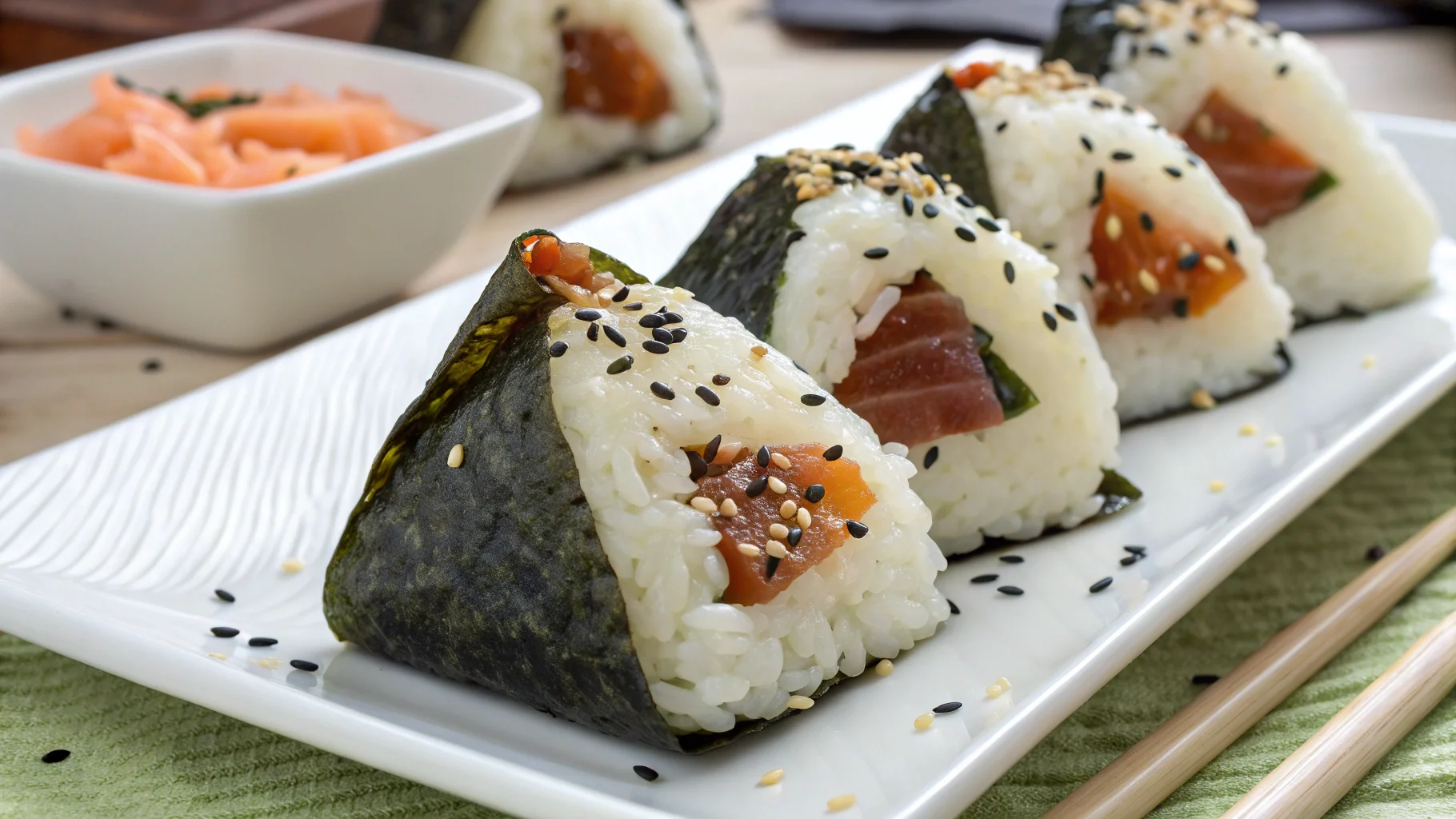
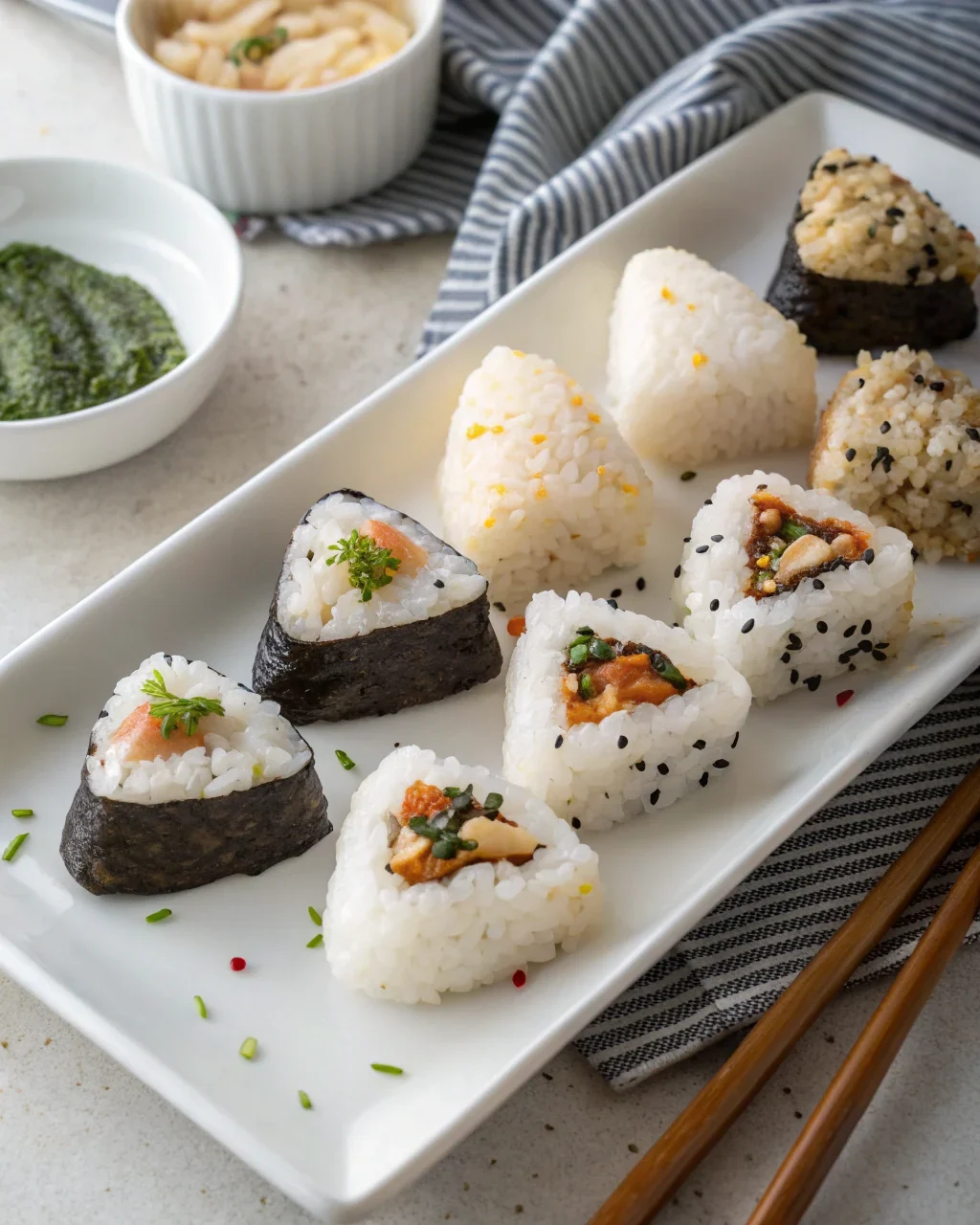
Onigiri straddles the perfect line between comfort food and tactical nutrition. It’s handheld, portable, and endlessly adaptable—from fiery tuna mayo to miso-grilled salmon to umeboshi for the purists.
Thanks to sticky short-grain rice, it holds its shape like a pro—no crumbling mess, no utensils needed.
Plus, the nori wrap gives you that delicate crunch and umami hit that makes you wonder why more snacks aren’t wrapped in seaweed.
Onigiri (Japanese Rice Balls) That Outsmart Your Snack Cravings
Course: Drinks6
servings20
minutes30
minutes220
kcalIngredients
Japanese short-grain rice (sushi rice), 2 cups uncooked
Water, for cooking rice (follow package ratio; typically 1:1.1–1.2)
Salt, fine, for seasoning hands and rice
Nori sheets, cut into strips or halves
Furikake (optional), for mixing into rice or sprinkling
Fillings (choose 1–3):
Tuna mayo: canned tuna + Japanese mayo + soy sauce
Umeboshi: pickled plum, pitted
Salmon flakes: pan-seared or baked salmon, flaked and salted
Kombu tsukudani: simmered seaweed, chopped
Spicy cod roe (mentaiko): optional mayo
Shiozake: salted salmon, flaky
Optional seasoning bowl: small bowl of salted water for dipping hands
Step-by-Step Instructions
- Rinse the rice like you mean it: Wash short-grain rice under cold water, swishing until the water runs mostly clear. This keeps it sticky-but-not-gummy.
- Cook the rice properly: Use a rice cooker for best results, or stovetop with a tight lid. Rest the rice 10 minutes after cooking to relax the starches.
- Prep your fillings: Mix tuna with mayo and a dash of soy; flake cooked salmon with a pinch of salt; pit umeboshi. Keep fillings relatively dry to avoid soggy centers.
- Season your hands: Set out a small bowl of water with a pinch of salt. Dip fingers lightly and rub palms—this prevents sticking and lightly seasons the surface.
- Portion the rice: Scoop about 1/2 cup warm rice into your hand. Make a small well in the center.
- Add the filling: Place 1–2 teaspoons of filling in the well. Not a burrito—don’t overload it.
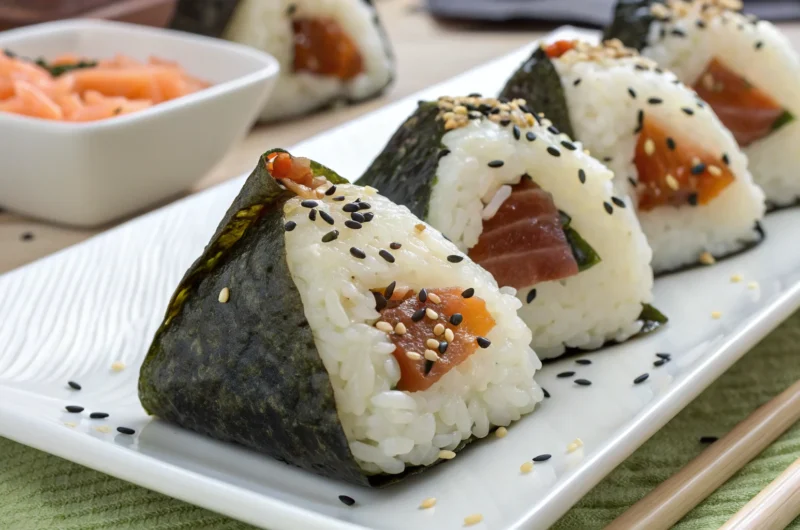
- Shape it: Cup your hands to form a triangle or oval, pressing gently but firmly. Rotate and press 3–4 times to set the shape without crushing the grains.
- Wrap with nori: Add a strip or half-sheet of nori to the base or fully wrap. For crisp nori, wrap just before eating; for soft, wrap while warm.
- Optional sear (yaki onigiri): Brush with soy sauce or miso and grill or pan-sear both sides until crisp and golden. Yes, it’s as good as it sounds.
- Serve or store: Eat warm or at room temperature. If storing, cool fully first.
Storage Made Simple
- Room temp (short term): Up to 6 hours if your space is cool and fillings are low-risk (e.g., umeboshi, salted salmon).
FYI, mayo/tuna is best kept cooler.
- Refrigerator: Wrap each onigiri tightly in plastic or beeswax wrap, then in a resealable bag. Store up to 24 hours. Keep nori separate to avoid sogginess.
- Freezer: Wrap individually and freeze up to 1 month.
Reheat in the microwave wrapped in a damp paper towel until warm; add fresh nori after.
- Lunchbox hack: Pack rice ball and nori separately. Assemble right before eating to keep the crunch.
Health Benefits
- Steady energy: Short-grain rice is a quick, clean carb source—ideal for pre/post-workout or long afternoons.
- High satiety: The combo of rice + protein fillings (tuna, salmon, eggs) keeps you fuller than a sad granola bar.
- Mineral boost: Nori and kombu bring iodine, iron, and trace minerals—small sheet, big impact.
- Gut-friendly options: Umeboshi and fermented fillings can support digestion, especially if heavy lunches wreck you.
Nutrition Stats
Per onigiri (plain with nori, no filling): approximately 180 calories, 3 g protein, 39 g carbs, 0.5 g fat, 1–2 g fiber depending on nori and any mixed-in seeds.
Popular variations:
- Tuna mayo: ~220–250 calories, 8–12 g protein, 38–42 g carbs, 5–9 g fat.
- Salmon: ~200–230 calories, 10–14 g protein, 38–41 g carbs, 3–6 g fat.
- Umeboshi: ~185–195 calories, 3 g protein, 39–41 g carbs, <1 g fat, low sugar, higher sodium.
Values will vary with rice size, filling amount, and mayo usage. If you’re tracking macros, weigh your rice portions—your future self will thank you.
Easy-to-Miss Errors
- Using the wrong rice. Long-grain won’t stick.
You’ll get sadness, not onigiri.
- Shaping with dry hands. Sticky chaos. Lightly salted water solves everything.
- Overfilling. Leads to cracks and fillings escaping like it’s a jailbreak.
- Handling cold rice. Warm rice molds better and tastes better. Cold rice = crumbly and bland.
- Wrapping nori too early (for later eating). It turns soggy.
Keep it separate unless you like it soft—no judgment.
- Skipping salt. Light seasoning elevates everything. It’s not optional; it’s essential.
Other Versions to Try
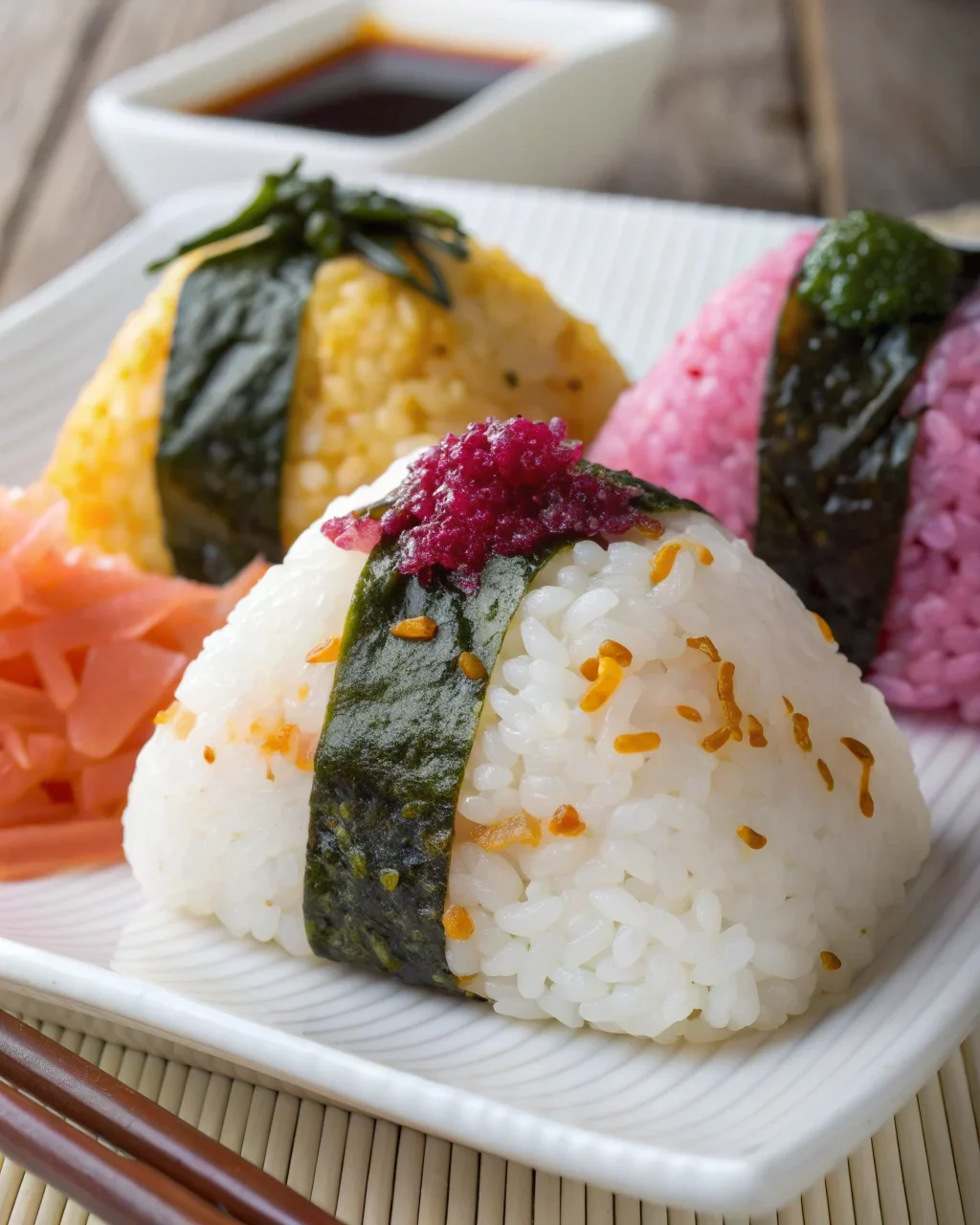
- Yaki Onigiri: Brush with soy or miso and grill for a crunchy, caramelized crust.
- Okaka: Bonito flakes mixed with soy sauce—umami bomb, low effort.
- Tarako/Mentaiko: Salty or spicy cod roe; add a touch of mayo if you must.
- Mixed Rice Onigiri: Stir in furikake, sesame seeds, or chopped shiso before shaping.
- Kimchi Tuna: Korean-Japanese mashup—tuna, chopped kimchi, a dab of mayo. Chaos, but delicious.
- Vegan Kombu-Shiitake: Simmered kombu and shiitake with soy and mirin for deep, savory vibes.
FAQ
Can I use leftover rice from the fridge?
You can, but warm it gently first so it softens.
Cold rice won’t bind well and will crack when shaping.
Is sushi rice vinegar needed?
No. Onigiri is seasoned with salt, not vinegar. Vinegared rice is for sushi; different game, different rules.
How do I keep my hands from burning?
Let the rice rest a few minutes after cooking.
It should be warm, not scalding. Wet, salted hands also help cool the surface.
What if I don’t have nori?
Skip it or roll the outside in sesame seeds or furikake. It won’t be traditional, but it’ll still slap, IMO.
How much filling should I add?
About 1–2 teaspoons per onigiri.
Enough to taste it, not enough to explode out the side mid-bite.
Are onigiri safe at room temperature?
Traditionally yes for a few hours, especially with salty or pickled fillings. For mayo or fresh fish, keep them chilled and eat within the day.
Triangle or round—does shape matter?
Functionally, no. Triangles stack better in lunch boxes; rounds are easier for beginners.
Go with what you can shape cleanly.
Why is my nori chewy?
It absorbed moisture. Keep nori in an airtight container and attach it right before eating for maximum crispness.
To Sum It Up
Onigiri is the low-maintenance, high-reward snack your routine’s been missing. With a pot of short-grain rice, a pinch of salt, and a creative filling, you get portable fuel that actually tastes incredible.
Master the warm rice, gentle shaping, and smart wrapping, and you’ll have a go-to meal prep that beats another sad sandwich. Simple, strategic, and seriously good—what’s not to love?