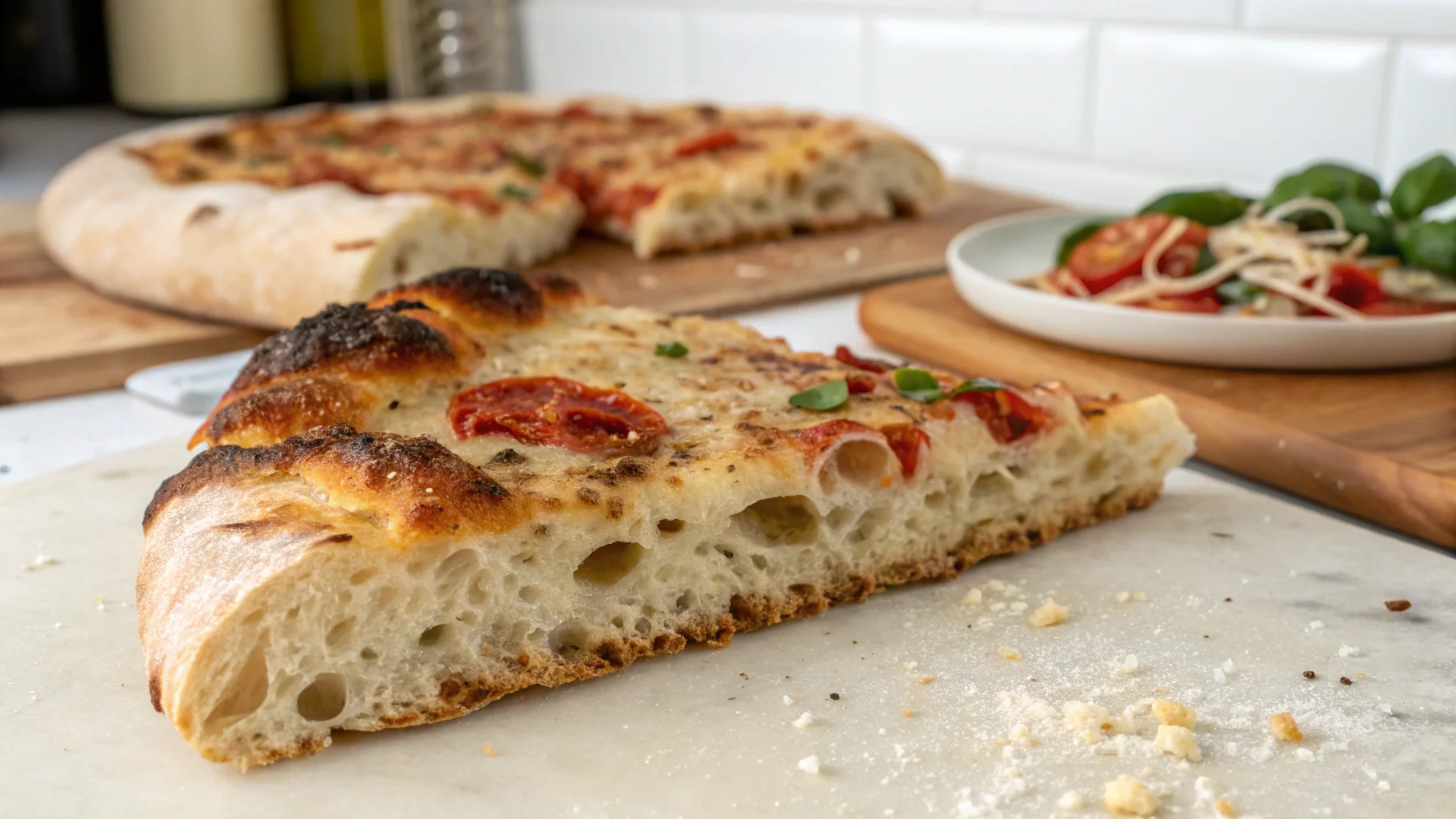
Sourdough Pizza Dough That Wins Friday Night Every Time

You can buy pizza, or you can flex with pizza that tastes like your favorite shop but costs less than your coffee. This sourdough pizza dough hits that crispy-chewy sweet spot and turns your kitchen into a pizzeria without the drama.
No commercial yeast, no mystery ingredients—just wild yeast swagger and flavor for days. Expect leopard spots, a blistered crust, and the kind of aroma that pulls people into the kitchen like a magnet.
The Special Touch in This Recipe
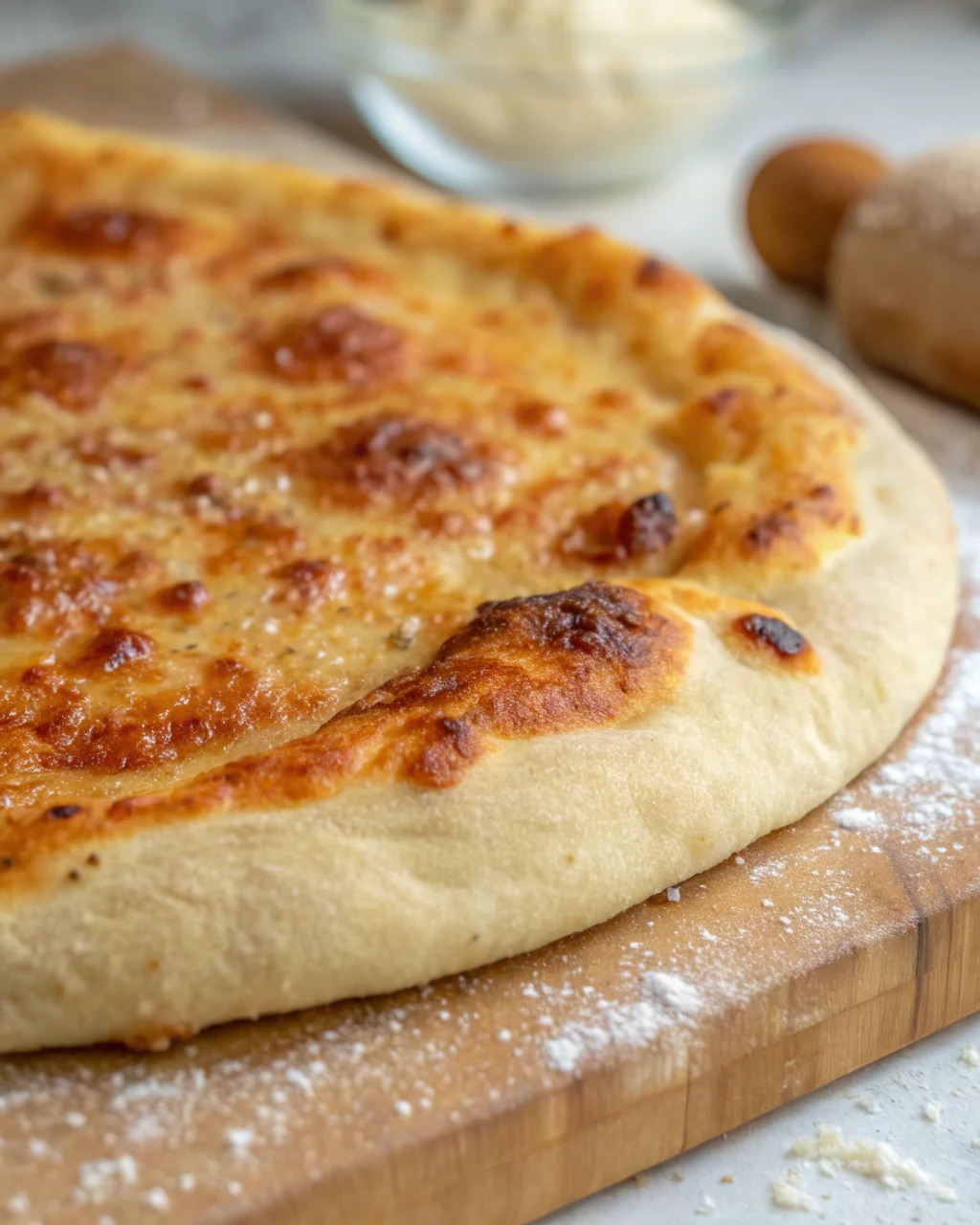
This dough leans on a lively sourdough starter for slow fermentation, which means more complexity without more effort.
The long, cold rise in the fridge builds tang and chew while staying gentle on your digestion. A touch of olive oil keeps the crumb tender, while a slightly higher hydration level boosts those gorgeous air pockets.
Bottom line: flavor and texture you can’t fake.
Sourdough Pizza Dough That Wins Friday Night Every Time
Course: Dinner2
servings20
minutes7
minutes230
kcalIngredients
400 g (about 3 1/4 cups) bread flour (or 00 pizza flour)
100 g (about 3/4 cup) whole wheat flour (optional, for depth; sub all-white if you prefer)
375 g water (80–82% hydration; adjust to 350 g if new to wet doughs)
120 g active, bubbly sourdough starter (100% hydration)
12 g fine sea salt
10 g extra-virgin olive oil
Semolina or extra flour for dusting
Step-by-Step Instructions
- Check the starter: Your starter should be doubled, airy, and pass the float test. If it sinks, feed it and wait—patience now saves sadness later.
- Autolyse the flour: In a large bowl, mix flours with 350 g of the water until no dry spots remain. Rest 30 minutes. This hydrates the flour and makes the dough easier to handle, IMO.
- Add starter and salt: Mix in the sourdough starter, remaining water (as needed), and salt. Pinch, fold, and squish until combined. Drizzle in olive oil and knead lightly to incorporate.
- Bulk fermentation: Cover and rest at room temp for 3–4 hours. Every 30 minutes for the first 2 hours, perform stretch-and-folds: grab an edge, stretch up, fold over, rotate the bowl and repeat 4 times.
- Cold ferment: Lightly oil a container, transfer the dough, and refrigerate 12–48 hours. Longer equals more flavor. Don’t be scared; the fridge is doing the work.
- Divide and bench rest: Bring dough to room temp for 60–90 minutes. Turn out, gently divide into 2–3 equal pieces. Shape each into a tight ball. Rest 30 minutes, covered.
- Preheat hard: Place a pizza stone or steel on the top rack and preheat to 500–550ºF (260–290ºC) for at least 45 minutes. If using a broiler, preheat stone at 500ºF, then broil to finish later.
- Shape the dough: Dust the counter and your hands. Press the dough from center outward, preserving a thicker rim. Lift and rotate, letting gravity stretch it to 12–14 inches. Avoid the rolling pin—keep those bubbles alive.
- Top smart: Transfer to a floured peel. Add a thin layer of sauce, cheese, and toppings. Less is more; soggy pizza is not a personality.
- Bake: Slide onto the hot stone/steel. Bake 7–9 minutes until the crust blisters and cheese bubbles. For extra char, switch to broil for the last 60–90 seconds.
- Rest and slice: Cool 2 minutes on a rack, then slice. Resist burning your mouth. We believe in you.
Storing & Reheating Tips
- Dough in the fridge: Store balled dough up to 72 hours.
If it overproofs, gently reball and rest 30 minutes.
- Dough in the freezer: Lightly oil, wrap tightly, freeze up to 2 months. Thaw overnight in the fridge, then room temp for 1–2 hours before shaping.
- Leftover slices: Wrap and refrigerate up to 3 days.
Reheat on a skillet over medium heat with a lid 3–5 minutes, or air fryer at 375°F for 4–5 minutes. Ovens work; microwaves do not (unless you like rubber).
Why You’ll Feel Good Eating This
- Gentler on the gut: Slow fermentation can reduce certain FODMAPs and make wheat easier to digest for many people.
- Better nutrients: Organic acids from sourdough may improve mineral bioavailability compared to quick-yeast doughs.
- Lower glycemic punch: Sourdough fermentation can moderate post-meal blood sugar spikes versus standard white dough.
FYI: toppings still matter.
Nutrition Stats
Approximate per 1/8 of a 14-inch pizza crust (dough only): Calories: 240, Carbs: 44 g, Protein: 7–9 g, Fat: 3 g, Fiber: 2–3 g, Sodium: 350 mg. Values vary with flour type and hydration.
Add toppings and cheese accordingly.
Common Mistakes to Avoid
- Underactive starter: If it’s sluggish, your dough will be too. Feed it twice before baking day for max oomph.
- Skipping the cold ferment: That’s where the flavor blossoms.
Overnight is good; 24–48 hours is chef’s kiss.
- Over-flouring during shaping: Too much bench flour toughens the crust and blocks oven spring. Use minimal dusting.
- Over-topping: Heavy sauce and wet cheese = soup.
Keep it lean for crisp bottoms and leopard spots.
- Low oven temp: Heat is non-negotiable. A screaming-hot stone or steel is your best friend.

Alternatives
- Gluten-conscious: Swap 10–15% of the flour for spelt or einkorn for a softer profile.
True gluten-free sourdough needs a different formula entirely.
- Flour swap: Use all 00 flour for ultra-tender chew, or all bread flour for more structure. Whole wheat up to 30% adds nutty depth.
- Same-day dough: Short on time?
Let the dough bulk at room temp 5–6 hours, then proof 1 hour as balls. Flavor won’t be as deep, but still solid.
- Skillet method: No stone?
Cook stretched dough in a preheated cast-iron skillet 2 minutes, add toppings, then broil 2–4 minutes to finish.
FAQ
How do I know my dough is ready to bake?
It should feel airy and pillowy, with visible bubbles. A gentle poke should slowly spring back, leaving a light indentation.
If it collapses, it’s overproofed—reball and give it 20–30 minutes to relax.
Can I use discard instead of active starter?
Not for the main leavening. Discard lacks the lift you need.
You can add a tablespoon for flavor, but keep the 120 g of active starter for proper rise.
What hydration is best for beginners?
Start at 70–72% hydration (about 340–350 g water for this flour amount). As your handling improves, bump to 78–82% for bigger bubbles and more open crumb.
Why is my pizza sticking to the peel?
Use a light layer of semolina or coarse flour, and work fast once sauced.
Give the peel a shimmy test before launching. If it sticks, lift an edge, toss a bit more semolina, and try again.
Can I make this without olive oil?
Yes.
You’ll get a slightly crisper, drier crust with more snap. The oil adds tenderness and browning, but it’s optional.
Do I need sugar or honey?
Nope.
Natural sugars from the flour feed the microbes. High heat and fermentation deliver browning and flavor without added sweeteners.
Bringing It All Together
This sourdough pizza dough is your ticket to a crackly edge, chewy center, and deep, complex flavor that store-bought can’t touch.
Feed your starter, let time do the heavy lifting, and keep the oven blazing. With a little practice and a hot surface, you’ll turn out pies that make takeout look like a backup plan.
Ready to make Friday nights legendary? Your dough is, too.