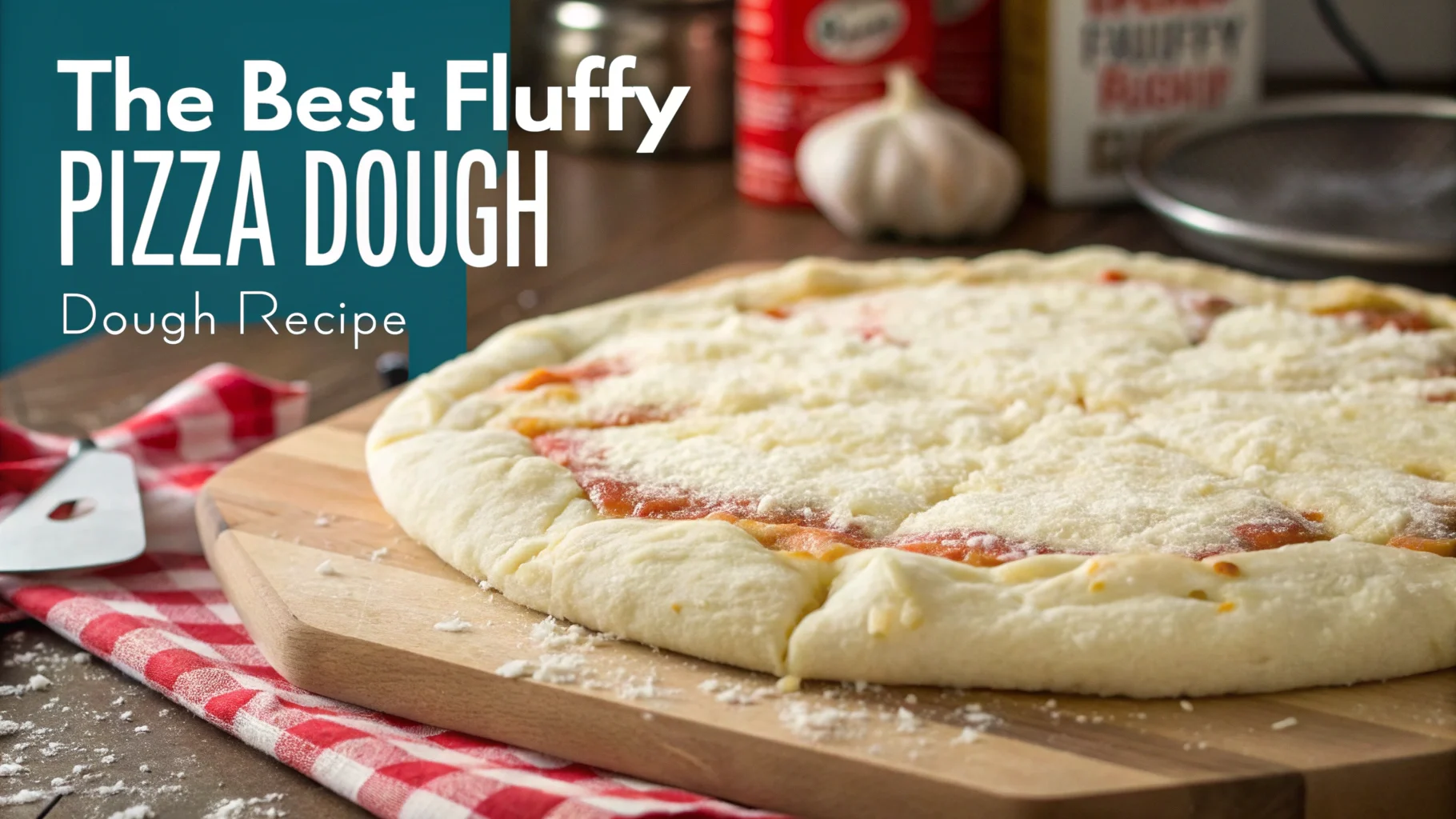
The Best Fluffy Pizza Dough Recipe: Cloud-Soft Crust You’ll Crave

Forget takeout. You want that pillowy, stretchy, blister-kissed crust that makes you feel like a backyard pizzaiolo.
This is the blueprint. With the right hydration and a couple pro moves, you’ll turn flour, water, and yeast into a crust so airy it practically floats off the peel.
No fancy oven. No mystery starters.
Just smart technique, a little patience, and dough that proves you can absolutely out-bake your favorite delivery spot.
What Makes This Special
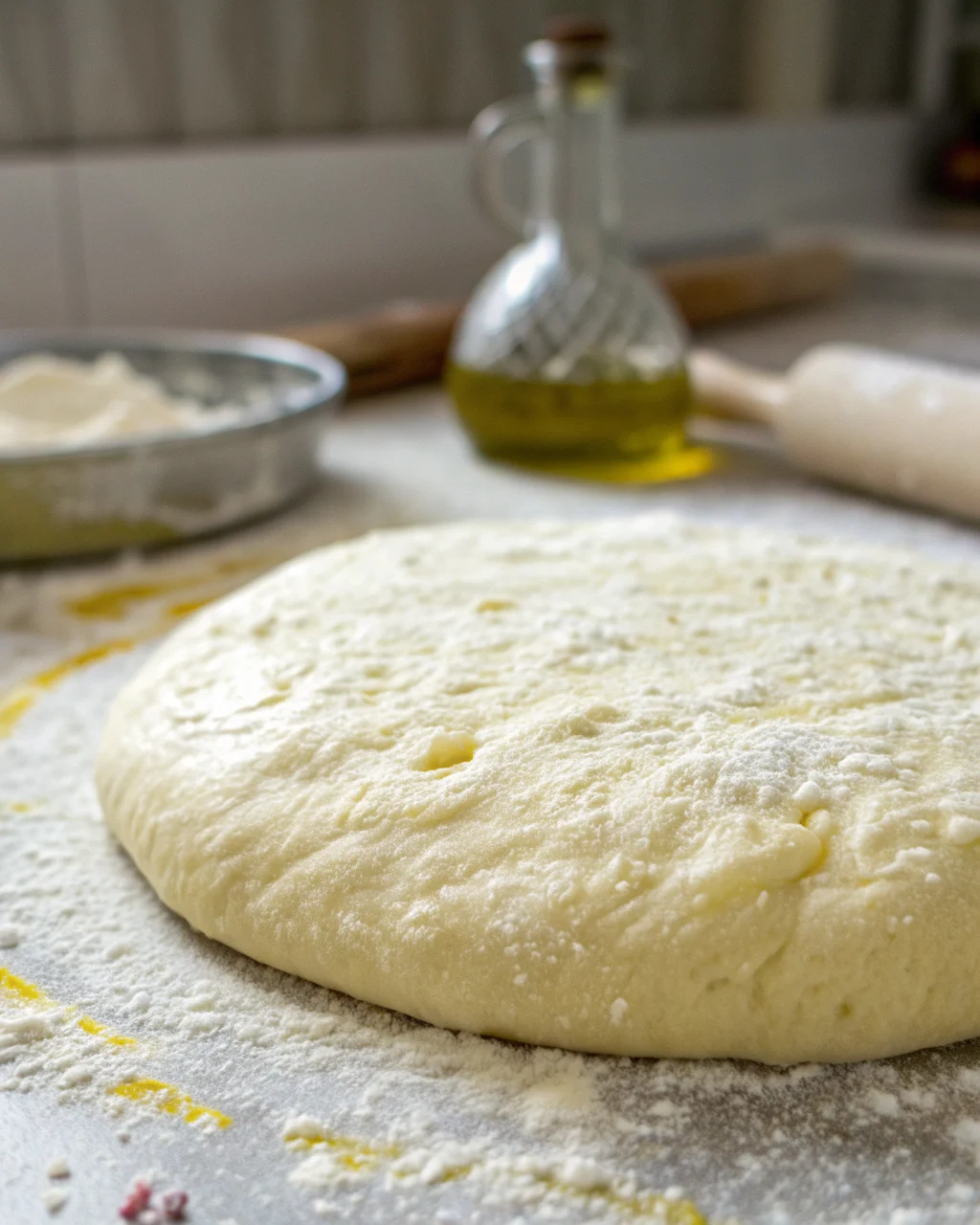
This dough leans on high hydration, strategic folding, and a slow, cold ferment for maximum fluff. Those air pockets you love?
They’re engineered here. We build gluten gently, trap gas efficiently, and bake hot for a tender interior and light crisp outside.
The result is a cloud-like chew that still has structure—so your toppings don’t sink the ship.
Servings, Prep time, Cooking time, Calories
- Servings: 2 large pizzas (12–14 inches each) or 3 personal pies
- Prep Time: 25 minutes active, plus 12–48 hours resting
- Cooking Time: 7–9 minutes per pizza (stone/steel) or 12–14 minutes (sheet pan)
- Calories: ~220 calories per slice (1/8 of a 12-inch pie, dough only)
Your Shopping Basket
- Bread flour – 500 g (about 4 cups), or 50/50 bread + “00” flour for extra tenderness
- Warm water – 350 g (1.5 cups), about 95–100°F
- Instant yeast – 6 g (2 tsp) or active dry yeast 7 g (1 packet)
- Fine sea salt – 12 g (2 tsp)
- Olive oil – 1 tbsp, plus more for bowls and hands
- Sugar or honey – 1 tsp (optional, helps browning)
- Semolina or extra flour – for dusting
Cooking Method
- Bloom (if using active dry): Stir yeast into warm water with sugar/honey and let it foam for 5–10 minutes. Using instant yeast?
Skip the bloom and mix directly.
- Combine dry: In a large bowl, whisk flour and salt. Make a well.
- Hydrate: Add water (with yeast), plus olive oil.
Mix with a spoon or dough whisk until shaggy. Rest 10 minutes (autolyse).
This rest jumpstarts gluten with zero elbow grease.
- Brief knead: Knead 2–3 minutes just until it smooths out. Dough should feel tacky, not sticky.
If it’s gluey, dust in 1–2 tbsp flour; if stiff, add 1–2 tsp water.
- Stretch-and-fold: Every 10 minutes for 30 minutes, do one set: grab dough edge, stretch up, fold over; rotate bowl, repeat 4 times. This builds strength without overworking.
- First rise: Lightly oil the bowl, cover, and let rise at room temp until ~50% puffed, 45–60 minutes.
Don’t chase a full double yet.
- Divide and ball: Turn dough onto a lightly floured surface. Divide into 2 or 3 portions.
Tuck edges underneath to create tight, smooth balls. Place in lightly oiled containers.
- Cold ferment: Refrigerate 12–48 hours.
Longer = deeper flavor and bigger oven spring. This is the fluff secret sauce.
- Warm up: Remove dough 60–90 minutes before baking so it relaxes.
Warm dough stretches without tearing—key for that airy rim.
- Preheat aggressively: Place a pizza stone or steel on the top-middle rack. Preheat to the max (500–550°F) for at least 45 minutes.
Sheet pan works too—just preheat the oven thoroughly.
- Shape gently: Dust the counter and your hands. Press the dough from the center out, leaving a thicker rim.
Lift and let gravity help stretch. No rolling pin unless you want to deflate that fluff.
- Top light: Add sauce in a thin layer, then cheese and toppings.
Less is more. Heavy toppings crush air pockets.
- Bake hot and fast: Launch onto the stone/steel using a floured or semolina-dusted peel.
Bake 7–9 minutes until the rim is puffed and spotted. Sheet pan method may need 12–14 minutes.
- Finish: Brush the crust with olive oil, sprinkle flaky salt, or dust with grated cheese.
Let rest 2 minutes before slicing so the cheese behaves.
Keeping It Fresh
- Fridge: Dough keeps 3 days cold. It actually improves flavor through day 2.
- Freezer: Lightly oil and bag dough balls; freeze up to 3 months.
Thaw overnight in the fridge, then bring to room temp 1–2 hours before shaping.
- Leftover slices: Store in airtight container 2–3 days. Reheat on a skillet with a lid for crisp bottom and melty top or air-fry at 375°F for 3–4 minutes.
Better-for-You Benefits
- Slow ferment can make dough easier on digestion and boosts flavor without extra sugar or fat.
- High hydration means softer crumb with less need for oil—still indulgent, less heavy.
- DIY control lets you manage sodium, choose whole-grain blends, and keep toppings clean and balanced.
Nutrition Stats
Per slice (1/8 of a 12-inch pizza, dough only): ~220 calories, 8 g protein, 2.5 g fat, 38 g carbs, 2 g fiber, 460 mg sodium (varies by salt).
With cheese and sauce, a typical slice lands around 280–330 calories depending on toppings and thickness. IMO, pair with a big salad and you’re winning.
Common Mistakes to Avoid
- Too much flour while mixing: Sticky isn’t bad.
Over-flouring kills tenderness and oven spring.
- Skipping the rest: Tight dough tears and bakes dense. Autolyse and warm-up time = fluff insurance.
- Over-topping: Sauce floods = soggy center.
Keep it light and strategic.
- Cold stone/steel: If it’s not preheated hard, forget that leopard spotting.
- Rolling pin attack: It smashes gas pockets. Hand-stretch and protect the rim.
- Under-salting: Flat flavor.
Salt isn’t optional—it’s structure and taste.
Different Ways to Make This
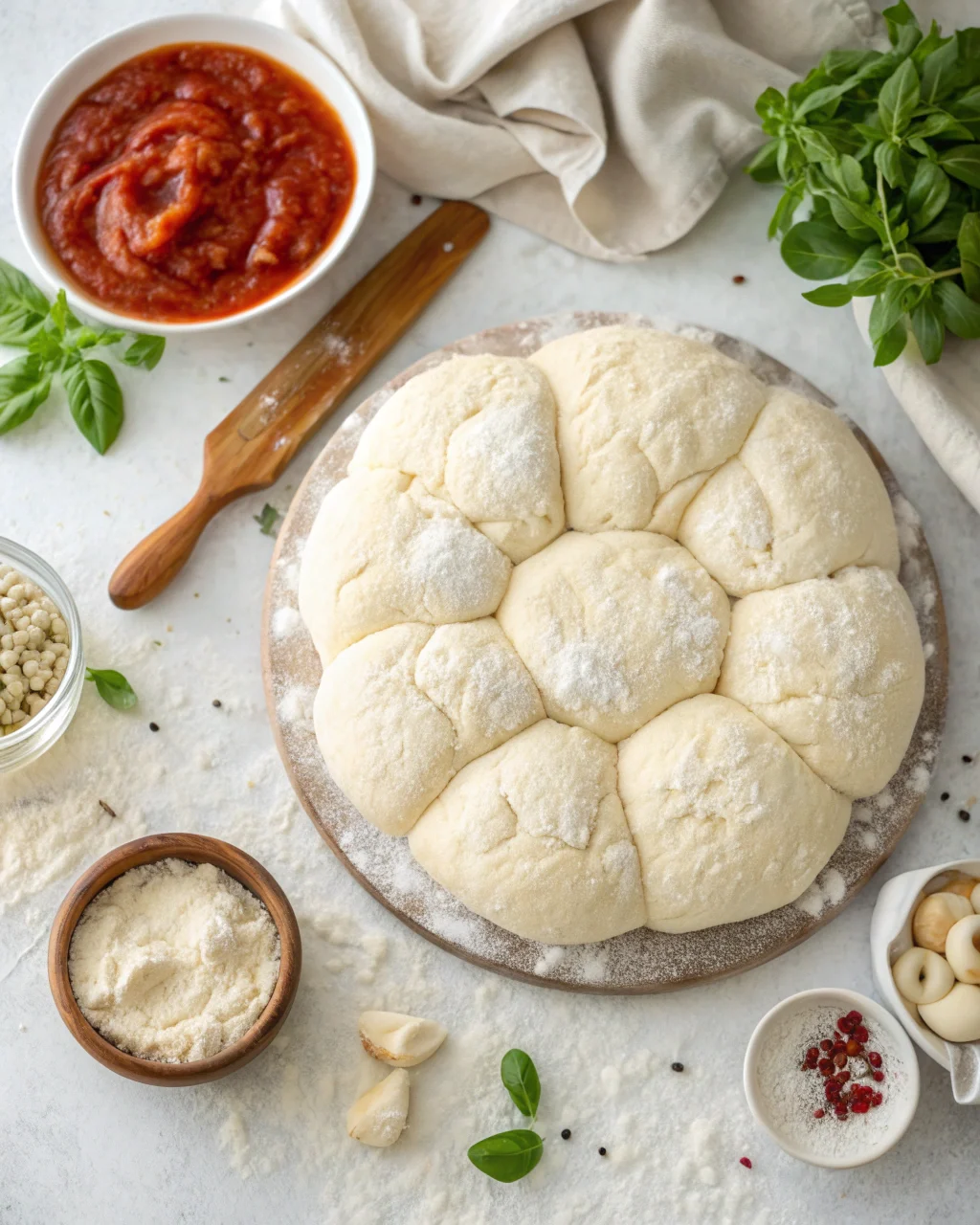
- Neapolitan-ish: Use 00 flour, 65% hydration, shorter bake at max heat; fresh mozzarella and basil for the classic vibe.
- Pan pizza: Increase oil to 2–3 tbsp, proof dough in an oiled cast-iron or Detroit pan, bake 12–15 minutes. Thick, airy, crisp edges.
- Whole-wheat boost: Swap 25–30% flour for whole wheat; increase water by 1–2 tbsp.
Expect nuttier flavor and slightly denser crumb.
- Garlic-herb crust: Mix 1 tsp garlic powder and 1 tsp dried oregano into the dough; finish with garlic oil post-bake. Your kitchen will smell like a trattoria, FYI.
- Gluten-free route: Use a high-quality GF bread blend and 1 tsp xanthan gum if not included.
Expect a different texture but still tasty.
FAQ
Can I make this the same day?
Yes. Do the room-temp bulk rise until nearly doubled (1.5–2 hours), ball the dough, rest 45–60 minutes, then bake.
Flavor and fluff won’t be as elite as the cold ferment, but still great.
Do I need a pizza stone or steel?
No, but they help. A preheated upside-down baking sheet works in a pinch.
A steel gives the best bottom char and fastest spring.
Why is my dough tearing?
It’s too cold or underdeveloped. Let it warm up, and add an extra set of stretch-and-folds next time.
Also, avoid aggressive stretching—let gravity do the work.
How do I prevent a soggy middle?
Use less sauce, drain watery toppings, and bake on a ripping-hot surface. Par-baking for 2 minutes before topping also helps for heavy builds.
What if my crust isn’t browning?
Increase oven temp, move the rack higher, or add 1 tsp sugar/honey to the dough.
A quick broil in the last 30–45 seconds can finish the top.
My Take
This dough is the sweet spot: simple enough for Tuesday night, dialed-in enough for bragging rights. The cold ferment does 80% of the heavy lifting while you sleep, and the high heat finishes the story with a proud, puffy rim.
Treat the dough gently, keep toppings modest, and let the oven roar. You’ll get that cloud-soft chew with just the right snap—and your favorite slice spot might start missing you.