Traditional Jamaican Rice and Peas – A Comforting Island Classic

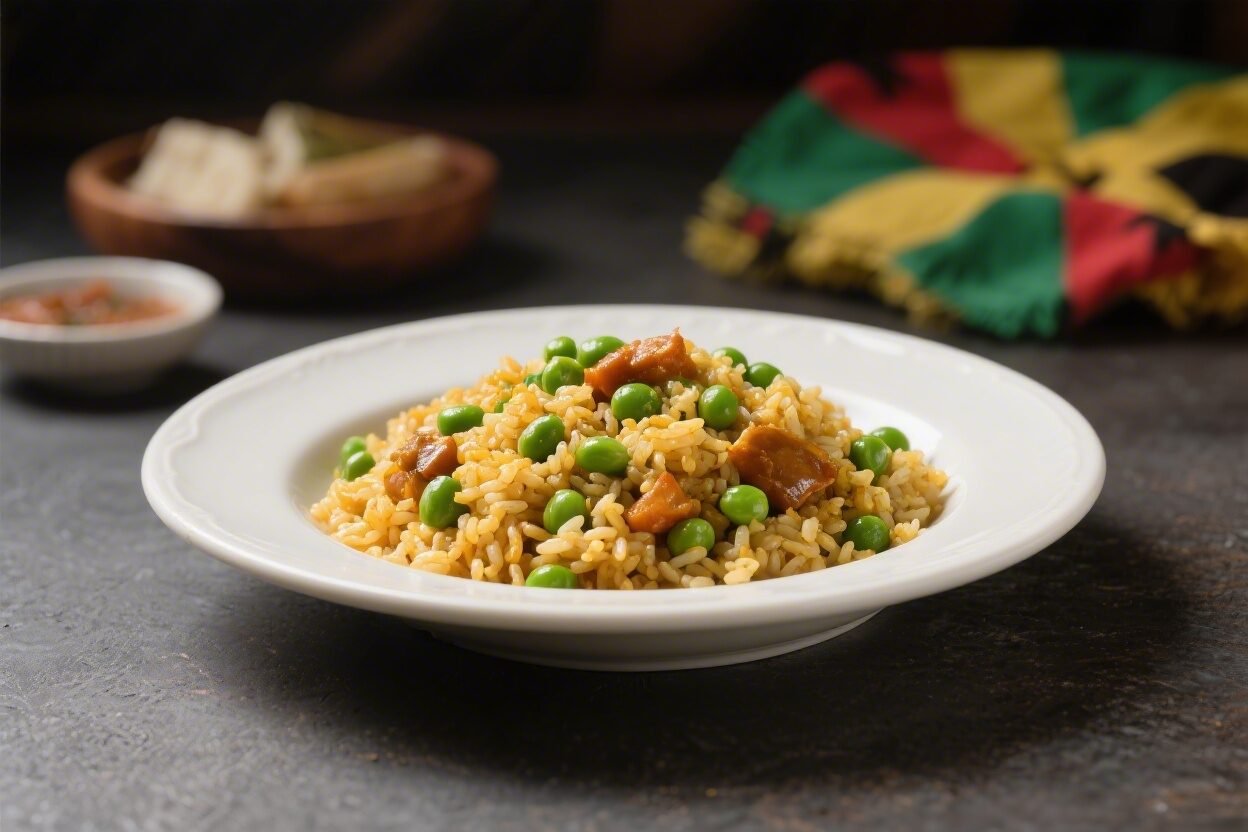
Jamaican rice and peas is the dish that quietly steals the show at Sunday dinners and celebrations. It’s humble, fragrant, and unbelievably satisfying—comfort food with a tropical soul. You’ll taste creamy coconut, earthy allspice, and the gentle heat of Scotch bonnet in every spoonful.
It pairs with almost anything, but it’s strong enough to be the star of the plate. If you’ve never made it at home, this version keeps it simple while staying true to the flavors that make it a Caribbean staple.
Traditional Jamaican Rice and Peas - A Comforting Island Classic
Ingredients
Method
- Soak the beans. Rinse the dried beans and soak them in plenty of water overnight.This shortens cooking time and helps them cook evenly.
- Cook the beans. Drain the soaking water. In a large pot, add beans, fresh water to cover by a couple of inches, the scallions, thyme, garlic, and allspice. Bring to a boil, then lower to a gentle simmer.Cook until beans are tender but not mushy, about 45 to 60 minutes. Add more water as needed to keep them submerged.
- Season the pot. When the beans are just tender, stir in the coconut milk, salt, black pepper, and sugar (if using). Nestle the whole Scotch bonnet on top.Do not cut or puncture it—this provides flavor without too much heat.
- Measure your liquid. You’ll want about 3 1/2 to 4 cups of liquid for 2 cups of rice, depending on the rice type. Add water or broth until you reach that amount. Taste and adjust salt now—this is your only chance to season the liquid properly.
- Rinse the rice well. Wash the rice under cold water until the water runs mostly clear.This step helps keep the rice fluffy and prevents clumping.
- Add the rice. Stir the rinsed rice into the pot, distributing it evenly among the beans. Keep the thyme sprigs and Scotch bonnet in there, but avoid breaking the pepper.
- Simmer gently. Bring the pot back to a steady simmer over medium heat. When bubbles appear across the surface, reduce to low, cover tightly, and cook for 18 to 22 minutes, depending on your rice.Avoid lifting the lid too often.
- Steam off-heat. Turn off the heat and let the pot rest, covered, for 10 minutes. This helps the grains set and finish steaming without sticking.
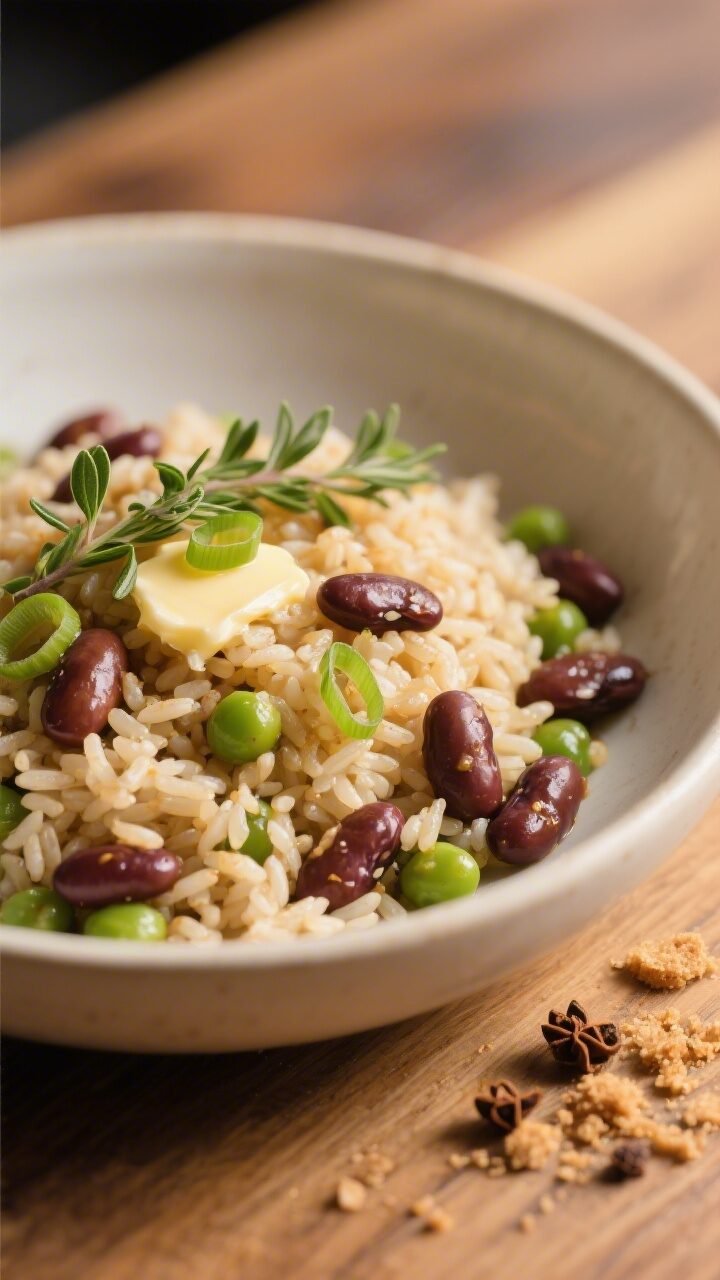
- Finish and fluff. Remove the thyme stems and Scotch bonnet. Stir in the butter or coconut oil if using.Fluff gently with a fork to separate the grains.
- Serve. Spoon into a serving bowl and garnish with extra chopped scallions or thyme leaves if you like. Serve alongside jerk chicken, grilled fish, stewed oxtail, or roasted vegetables.
Why This Recipe Works
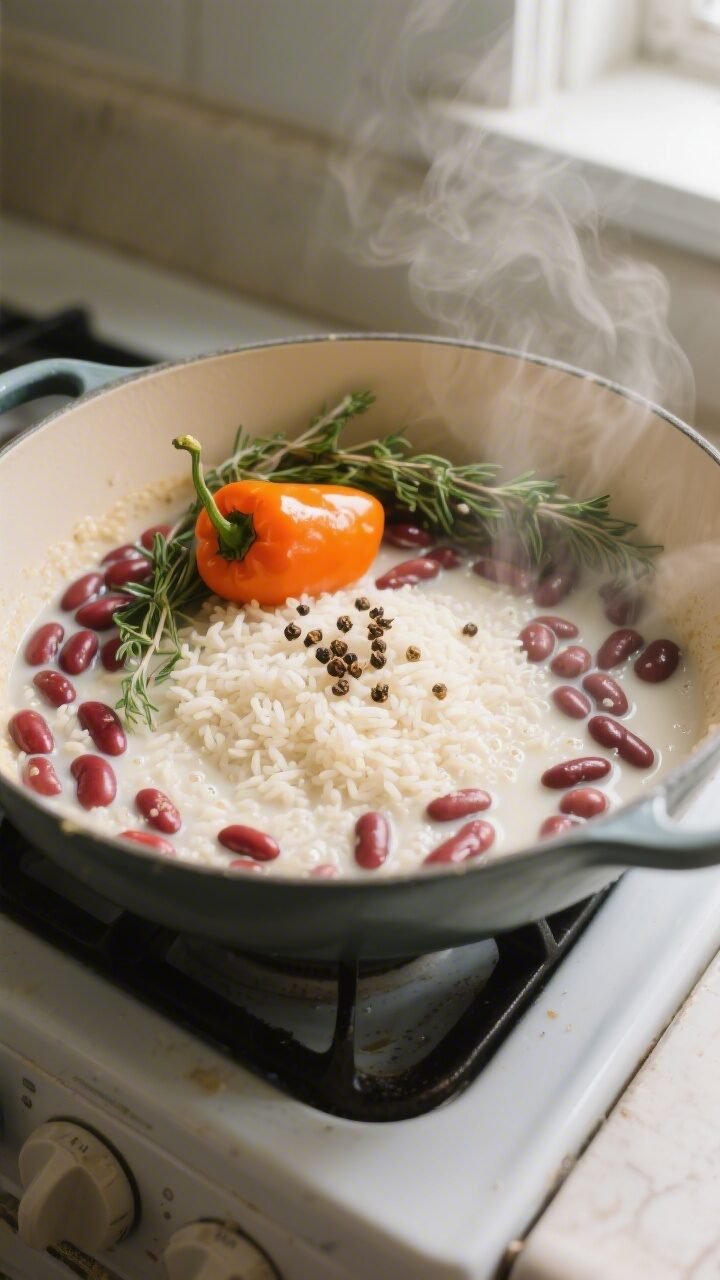
Rice and peas isn’t complicated, but a few smart choices make a big difference. Using dried red kidney beans or pigeon peas builds deeper flavor than just opening a can, especially when they simmer with aromatics.
Coconut milk gives the rice a silky texture without making it heavy. Fresh thyme and scallions bring brightness, while a whole Scotch bonnet adds warmth without turning the dish fiery. Finally, gently steaming long-grain rice ensures each grain stays separate and fluffy.
What You’ll Need
- Long-grain white rice (preferably jasmine or parboiled): 2 cups, rinsed well
- Dried red kidney beans (or pigeon peas): 1 cup, soaked overnight
- Unsweetened coconut milk: 1 can (13.5 to 14 oz)
- Water or broth: About 2 to 3 cups, as needed for cooking
- Scallions (green onions): 3 to 4, chopped into large pieces
- Fresh thyme: 4 to 6 sprigs
- Garlic: 2 to 3 cloves, lightly crushed
- Allspice (pimento) berries: 6 to 8 whole berries, or 1/2 teaspoon ground
- Scotch bonnet pepper: 1 whole (left uncut)
- Salt: 1 to 1 1/2 teaspoons, to taste
- Black pepper: 1/2 teaspoon
- Sugar: 1 teaspoon (optional, balances flavors)
- Unsalted butter or coconut oil: 1 tablespoon (optional, for richness)
Step-by-Step Instructions
- Soak the beans. Rinse the dried beans and soak them in plenty of water overnight.This shortens cooking time and helps them cook evenly.
- Cook the beans. Drain the soaking water. In a large pot, add beans, fresh water to cover by a couple of inches, the scallions, thyme, garlic, and allspice. Bring to a boil, then lower to a gentle simmer.Cook until beans are tender but not mushy, about 45 to 60 minutes. Add more water as needed to keep them submerged.
- Season the pot. When the beans are just tender, stir in the coconut milk, salt, black pepper, and sugar (if using). Nestle the whole Scotch bonnet on top.Do not cut or puncture it—this provides flavor without too much heat.
- Measure your liquid. You’ll want about 3 1/2 to 4 cups of liquid for 2 cups of rice, depending on the rice type. Add water or broth until you reach that amount. Taste and adjust salt now—this is your only chance to season the liquid properly.
- Rinse the rice well. Wash the rice under cold water until the water runs mostly clear.This step helps keep the rice fluffy and prevents clumping.
- Add the rice. Stir the rinsed rice into the pot, distributing it evenly among the beans. Keep the thyme sprigs and Scotch bonnet in there, but avoid breaking the pepper.
- Simmer gently. Bring the pot back to a steady simmer over medium heat. When bubbles appear across the surface, reduce to low, cover tightly, and cook for 18 to 22 minutes, depending on your rice.Avoid lifting the lid too often.
- Steam off-heat. Turn off the heat and let the pot rest, covered, for 10 minutes. This helps the grains set and finish steaming without sticking.
- Finish and fluff. Remove the thyme stems and Scotch bonnet. Stir in the butter or coconut oil if using.Fluff gently with a fork to separate the grains.
- Serve. Spoon into a serving bowl and garnish with extra chopped scallions or thyme leaves if you like. Serve alongside jerk chicken, grilled fish, stewed oxtail, or roasted vegetables.
Keeping It Fresh
– Store leftovers in an airtight container in the fridge for up to 4 days. – For freezing, portion into flat bags or small containers. It keeps well for up to 2 months. – Reheat gently on the stovetop with a splash of water or coconut milk to bring back moisture.
A covered skillet over low heat works great. – If reheating in the microwave, cover and stir halfway through to prevent dry spots.
Why This is Good for You
This dish brings balanced nutrition to the table. Beans add plant-based protein and fiber, which help keep you full and support steady energy. Coconut milk provides healthy fats that make the dish satisfying, plus a creamy texture without dairy.
The herbs and allspice contribute antioxidants and big flavor with minimal sodium. Pairing rice with legumes also improves the overall protein quality, making this a smart, nourishing staple.
Common Mistakes to Avoid
- Skipping the bean soak. It’s not just about time; soaking helps the beans cook evenly and reduces the chance they split and turn mushy.
- Cutting the Scotch bonnet. A sliced pepper can overpower the dish. Keep it whole to get aroma and mild heat without the burn.
- Not rinsing the rice. Starchy rice clumps and turns gluey.Rinse until the water runs fairly clear.
- Guessing the liquid ratio. Too much liquid makes mushy rice; too little leaves it undercooked. Measure and adjust based on your rice type.
- Lifting the lid. Each peek releases steam and extends cooking time. Trust the process and let it steam.
- Underseasoning the liquid. The rice absorbs whatever’s in the pot.Season the broth well before adding rice.
Alternatives
- Beans and peas: Use canned red kidney beans or canned pigeon peas for speed. Rinse well, then reduce the initial cook time and go straight to seasoning the pot.
- Rice types: Basmati works in a pinch. Brown rice can be used but needs more liquid and a longer cook (about 45 minutes).Parboiled rice stays extra fluffy.
- Dairy-free richness: Coconut cream can replace coconut milk, but dilute slightly with water to avoid heaviness.
- No Scotch bonnet: Substitute a whole habanero or a small piece of serrano. Keep it whole to control heat.
- Herbs and spices: If you can’t find fresh thyme, use 1 teaspoon dried thyme. Whole allspice berries are ideal, but ground allspice works.
- Instant Pot: Cook soaked beans on High Pressure for about 15 to 20 minutes with aromatics, quick-release, then add rice and coconut milk and cook an additional 4 to 5 minutes with a 10-minute natural release.
FAQ
Can I make rice and peas with only canned beans?
Yes.
Rinse and drain canned beans, then start by simmering the coconut milk, water, thyme, scallions, garlic, and spices for a few minutes. Add the beans, bring to a simmer, season, then add the rinsed rice and cook as directed.
How spicy is this dish supposed to be?
Traditionally, the heat is subtle. A whole Scotch bonnet adds flavor and gentle warmth if left intact.
If you want more spice, prick the pepper once with a knife—just know it will get noticeably hotter.
Why did my rice turn mushy?
You likely used too much liquid or stirred too much. Measure your liquids, keep the heat low, and resist lifting the lid. Rinsing the rice also helps keep grains separate.
Is coconut milk necessary?
For traditional flavor, yes.
If you must skip it, use a flavorful broth and a teaspoon of oil or butter. The taste will be different, but still delicious.
What should I serve with rice and peas?
It’s great with jerk chicken, curry goat, escovitch fish, brown stew chicken, or roasted vegetables. A simple cucumber and tomato salad adds a crisp, fresh contrast.
Can I use brown rice?
You can.
Increase the total liquid slightly and extend the covered cook to about 40 to 45 minutes. Let it rest 10 minutes before fluffing.
Do I need to remove the allspice berries?
Yes, if you used whole berries, fish them out before serving. They’re intensely flavored and hard to bite into.
What if I don’t have fresh thyme?
Use 1 teaspoon dried thyme.
Add it when you season the pot so it has time to release its flavor.
In Conclusion
Traditional Jamaican rice and peas is simple, soulful, and endlessly versatile. With creamy coconut, tender beans, and herbs that sing, it’s a dish that turns an ordinary meal into something warm and memorable. Follow the basics—good seasoning, gentle heat, and patience—and you’ll get fluffy rice with bold island flavor every time.
Make it for Sunday dinner, a weeknight side, or as the main event. Either way, it’s the kind of comfort you’ll want to cook again and again.