Basic Easy Pizza Dough That Turns “Meh” Nights Epic

You want pizza. Not a meeting.
Not a three-hour fermentation saga. Just a fast, foolproof dough that gets you from zero to crispy-chewy crust before your streaming queue judges you.
This Basic Easy Pizza Dough is the difference between store-bought regret and proud, hot-from-the-oven flex. No fancy tools, no culinary diploma—just a few solid moves.
Ready to make the best weeknight decision of your life?
The Special Touch in This Recipe
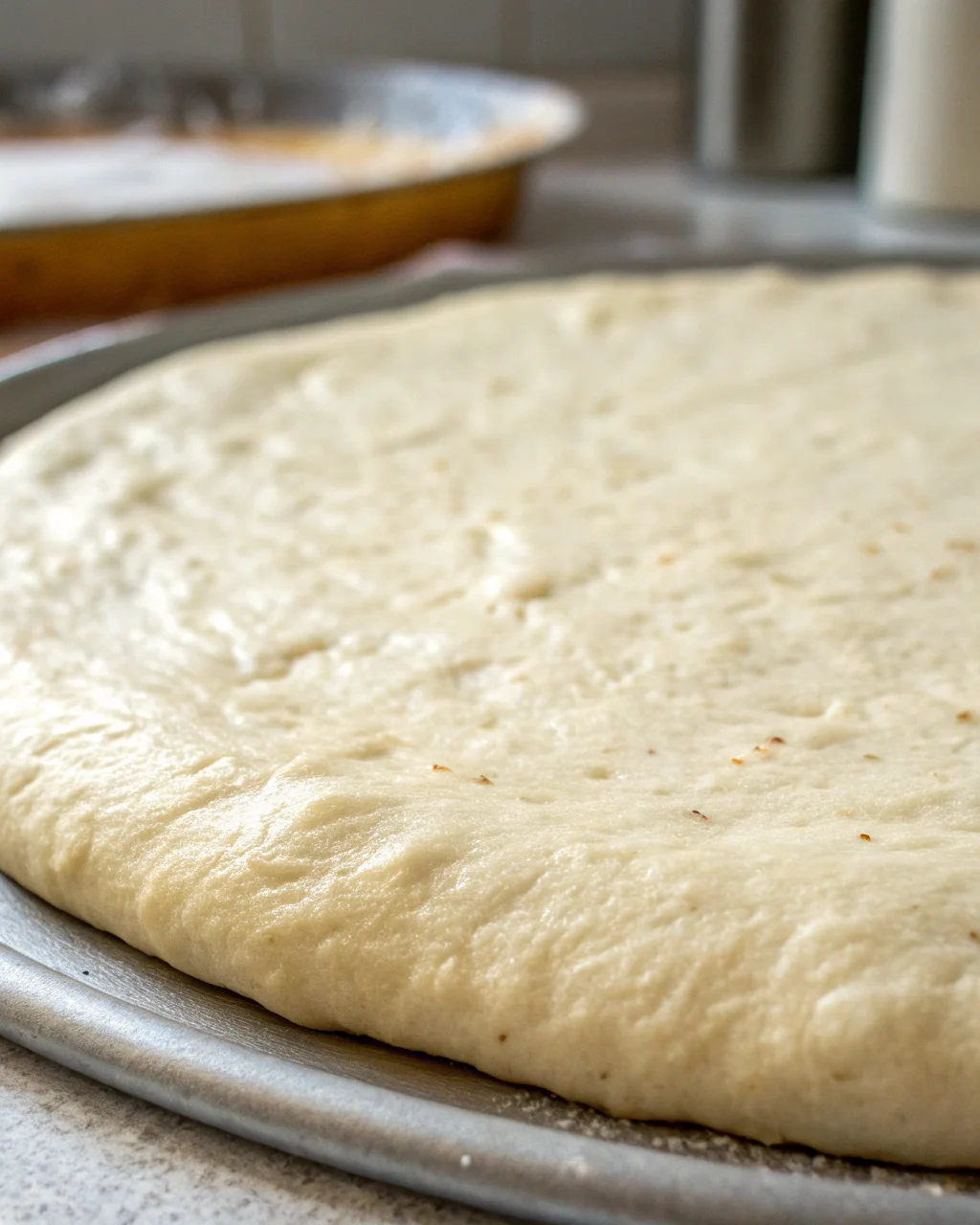
This dough leans on a smart balance of bread flour and a pinch of olive oil for snap-meets-chew texture—NY-style vibes without the flight. A brief 10-minute rest after mixing lets the flour hydrate, making kneading easier and the dough smoother.
We also use a slightly warmer water (about 105–110°F) to wake the yeast fast but not shock it. And a tiny bit of sugar helps jumpstart fermentation while promoting golden-brown crust.
Simple, strategic, and fast. Boom.
Basic Easy Pizza Dough That Turns “Meh” Nights Epic
Course: Dinner2
servings15
minutes10
minutes220
kcalIngredients
3 cups (390 g) bread flour (all-purpose works; bread flour = chewier)
1 cup + 2 tbsp (270–285 ml) warm water at 105–110°F
2¼ tsp (7 g) instant or active dry yeast (1 packet)
1½ tsp fine sea salt
1 tsp sugar or honey
1½ tbsp olive oil, plus more for greasing
Cornmeal or semolina for dusting (optional)
Step-by-Step Instructions
- Activate the yeast: In a measuring cup, mix warm water with sugar and yeast. If using active dry, let it foam for 5–8 minutes. Instant yeast? No need to wait—still a good idea to mix it with the warm water.
- Combine dry ingredients: In a large bowl, whisk flour and salt. Make a well in the center.
- Bring it together: Pour in the yeast mixture and olive oil. Stir with a spoon until a shaggy dough forms. If it’s crumbly, add 1–2 tbsp water. If sticky like glue, dust in 1–2 tbsp flour.
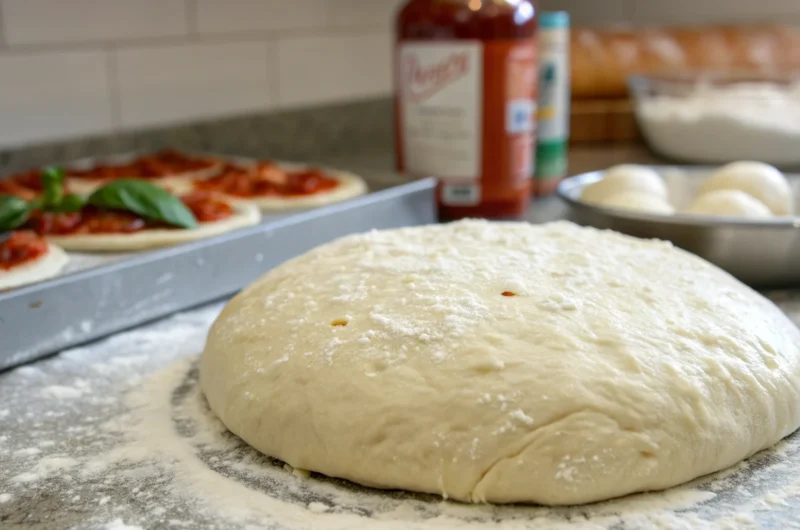
- Hydration rest: Let the rough dough sit for 10 minutes. This hydrates the flour and makes kneading easier. Your forearms will thank you.
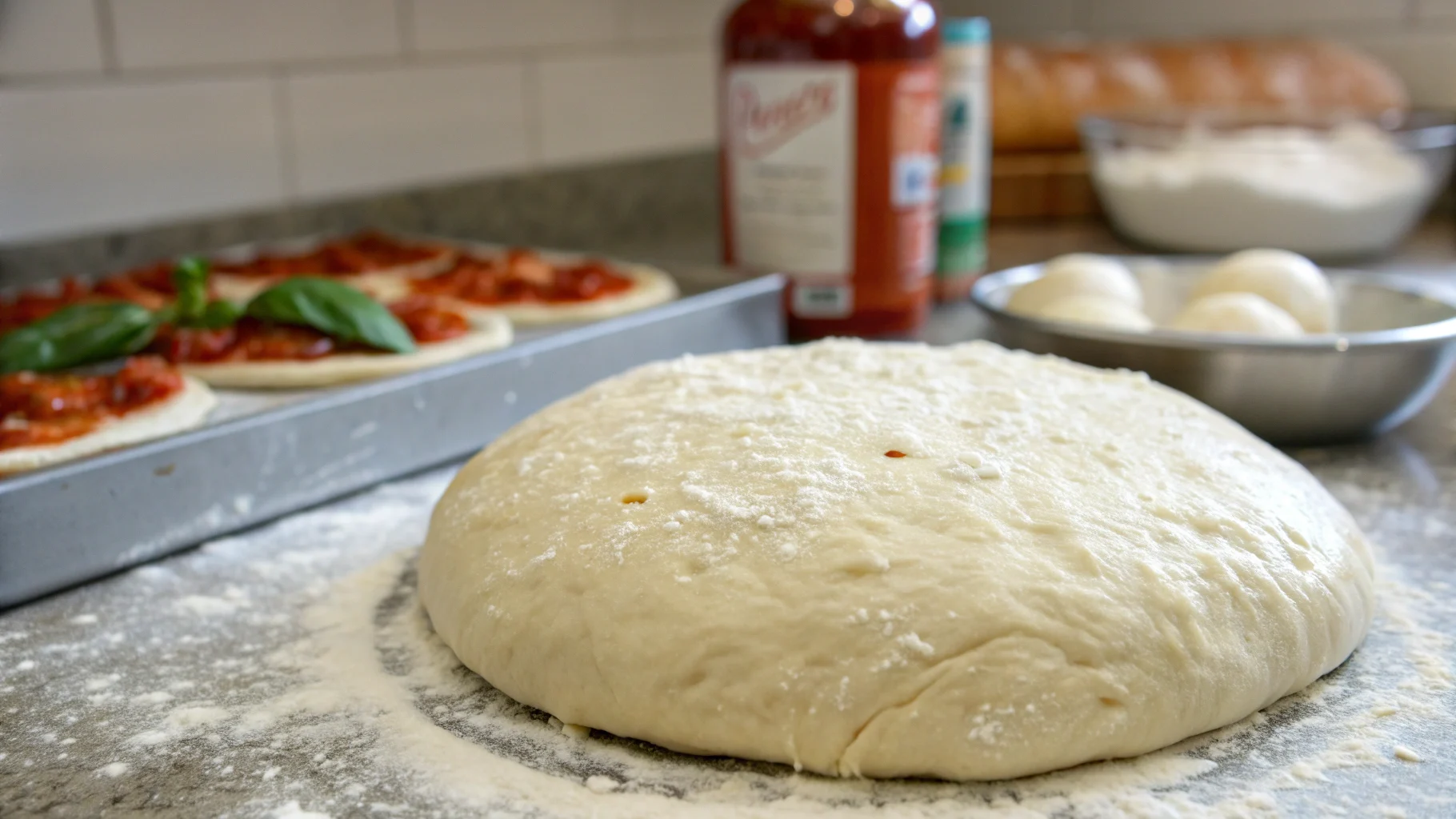
- Knead: Turn the dough onto a lightly floured surface and knead 5–7 minutes until smooth and elastic. It should spring back when poked.
- First rise: Shape into a ball. Lightly oil a bowl, add dough, and turn to coat. Cover and let rise in a warm spot until doubled, 45–60 minutes (longer if your kitchen is chilly).
- Preheat like you mean it: Place a stone or inverted sheet pan in the oven and preheat to 500ºF (260ºC) for at least 30 minutes. Hot surface = crispy bottom.
- Divide and shape: Punch down the dough and split into 2 equal pieces for medium pizzas. Rest 5–10 minutes to relax the gluten. Then stretch by hand into 10–12-inch rounds. Avoid a rolling pin if you want airy edges.
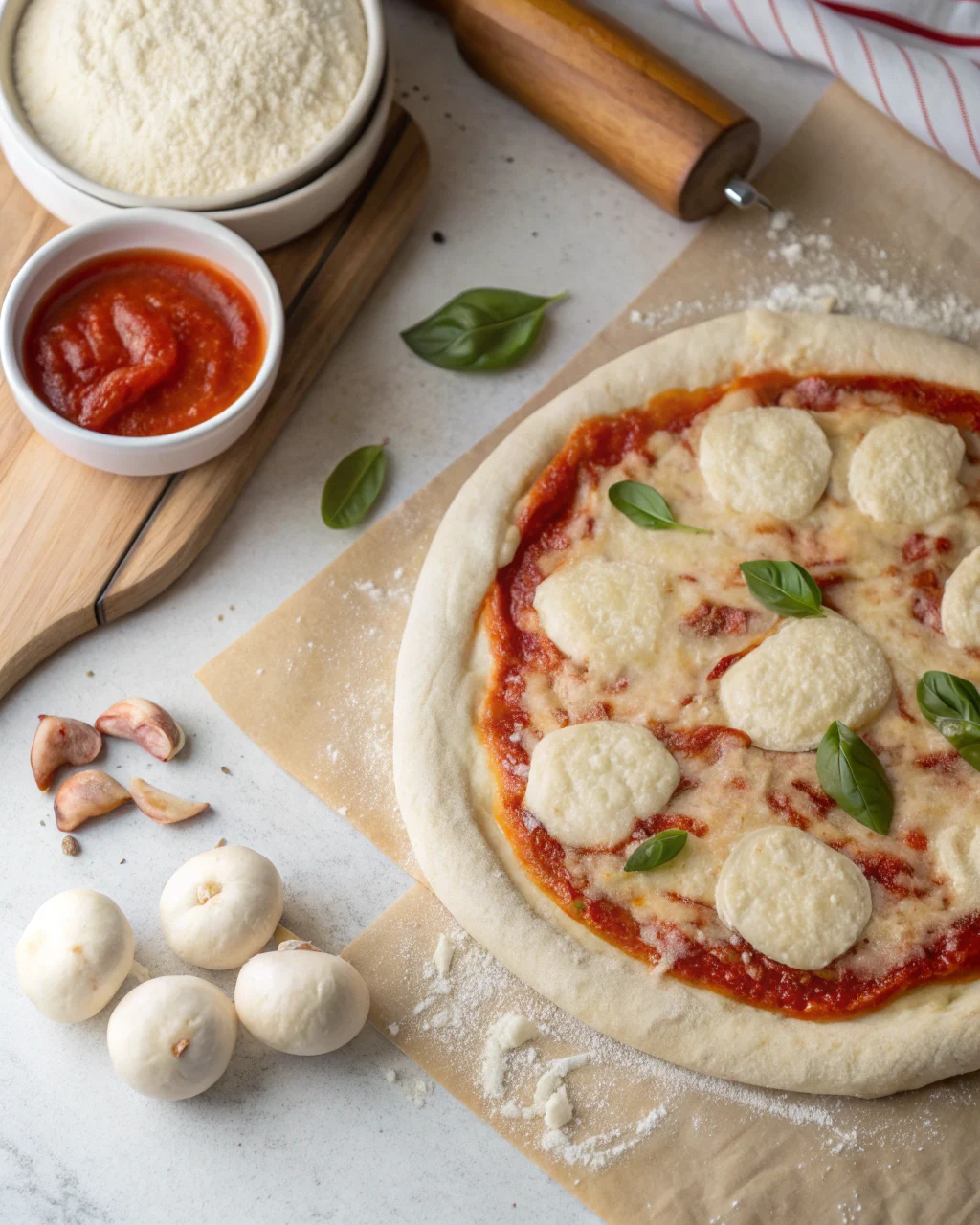
- Transfer and top: Dust a peel or parchment with cornmeal/semolina. Lay the dough on top. Add a thin layer of sauce, cheese, and toppings. Less is more. Your oven is not a landfill.
- Bake: Slide onto the hot stone/pan and bake 10–14 minutes until deeply golden with charry leopard spots at the edges.
- Finish: Brush the crust with a touch of olive oil, maybe a sprinkle of flaky salt or chili flakes. Rest 2 minutes, then slice and flex.
Storage Instructions
- Fridge: Lightly oil dough balls, place in sealed containers, and refrigerate up to 72 hours. Longer cold fermentation = more flavor.
Let sit at room temp 60 minutes before shaping.
- Freezer: Wrap each dough ball in plastic, then bag. Freeze up to 3 months.
Thaw overnight in the fridge, then bring to room temp 60–90 minutes before stretching.
- Leftover baked pizza: Store slices in an airtight container in the fridge up to 3 days. Reheat on a skillet or 425°F oven for crispness.
Microwave only if you enjoy sadness.
Nutritional Perks
This dough keeps the ingredient list short and honest—no stabilizers, no cryptic additives. Olive oil adds heart-friendly fats and helps with a tender crumb. Using bread flour boosts protein for a sturdier structure that can handle toppings without turning soggy.
Add veggie-forward toppings, lean proteins, or a lighter cheese blend and you’ve got a balanced, wallet-friendly meal that still hits the crave button. IMO, that’s a win.
Nutrition Stats
- Per slice (1/8 of a 12-inch pizza; dough only): ~220 calories
- Carbohydrates: ~42 g
- Protein: ~7–9 g (bread flour for the win)
- Fat: ~3–4 g
- Sodium: ~320 mg
- Sugar: ~1 g
- Fiber: ~2 g
Actual numbers vary with flour type, hydration tweaks, and toppings.
Add cheese, meats, or extra oil and the stats climb—still worth it.
Recipe Fails to Watch Out For
- Water too hot: Anything above 120°F can nuke your yeast. Aim for warm bathwater, not lava.
- Flour overload: Adding too much flour during kneading creates stiff, dense pizza.
Slight tackiness is normal.
- Cold oven: Under-preheating equals pale, floppy crust. Preheat at least 30 minutes.
- Over-topping: Sauce floods and cheese pools are not a personality.
Keep it light for crisp results.
- No rest after dividing: Tight dough fights back. A 5–10 minute rest makes stretching easy.
- Rolling pin compaction: It crushes air pockets.
Hand-stretch for that airy cornicione.
Mix It Up
- Herb upgrade: Add 1 tsp dried oregano or basil to the dough for aroma.
- Garlic oil: Swap half the olive oil for garlic-infused oil for subtle kick.
- Whole-wheat hybrid: Replace 1 cup of bread flour with whole-wheat flour; add 1–2 tbsp extra water.
- Sourdough-ish: Replace ¼ cup water with ¼ cup active starter and reduce yeast to 1 tsp; extend rise.
- Cheesy crust: Brush edges with olive oil and sprinkle Parmesan for a savory ring.
- Sheet-pan party: Press dough into an oiled rimmed sheet pan, proof 20 minutes, top, and bake at 500°F until golden.
FAQ
Can I use all-purpose flour instead of bread flour?
Yes. The crust will be slightly less chewy but still excellent.
If using all-purpose, knead well and avoid adding too much extra flour so you keep that soft, stretchy texture.
Do I need a pizza stone?
Nope. An inverted heavy sheet pan preheated to 500°F works great.
A stone or steel just gives you more consistent browning and faster bottom crisping.
Why is my dough tearing when I stretch it?
It’s either under-hydrated or the gluten is too tight. Let it rest 10–15 minutes and try again.
If it’s dry, wet your hands and lightly pat the surface to add a whisper of hydration.
How long can I cold ferment the dough?
Up to 72 hours is the sweet spot for flavor and structure. Beyond that, yeast can exhaust its food supply and the dough may weaken.
Keep it lightly oiled and tightly covered.
What’s the best way to reheat pizza?
Skillet on medium until the bottom crisps, then cover for 1–2 minutes to melt the cheese. Or bake at 425°F for 6–8 minutes.
Air fryer? Also solid.
Microwave only if you like rubber bands.
Can I make this gluten-free?
Use a high-quality 1:1 gluten-free flour blend designed for yeast doughs and add 1 tsp xanthan gum if the mix lacks it. Expect a more delicate dough—par-bake the crust 5 minutes before topping.
Bringing It All Together
Basic Easy Pizza Dough isn’t about being fancy—it’s about being reliable, fast, and ridiculously good.
With a warm preheat, a light hand on toppings, and a short rest or two, you’ll get a crust that shatters at the edge and bends in the middle like the pros. Keep a dough ball in the fridge, and you’re always 20 minutes from pizza night greatness.
FYI: leftovers are elite breakfast food. Your move.