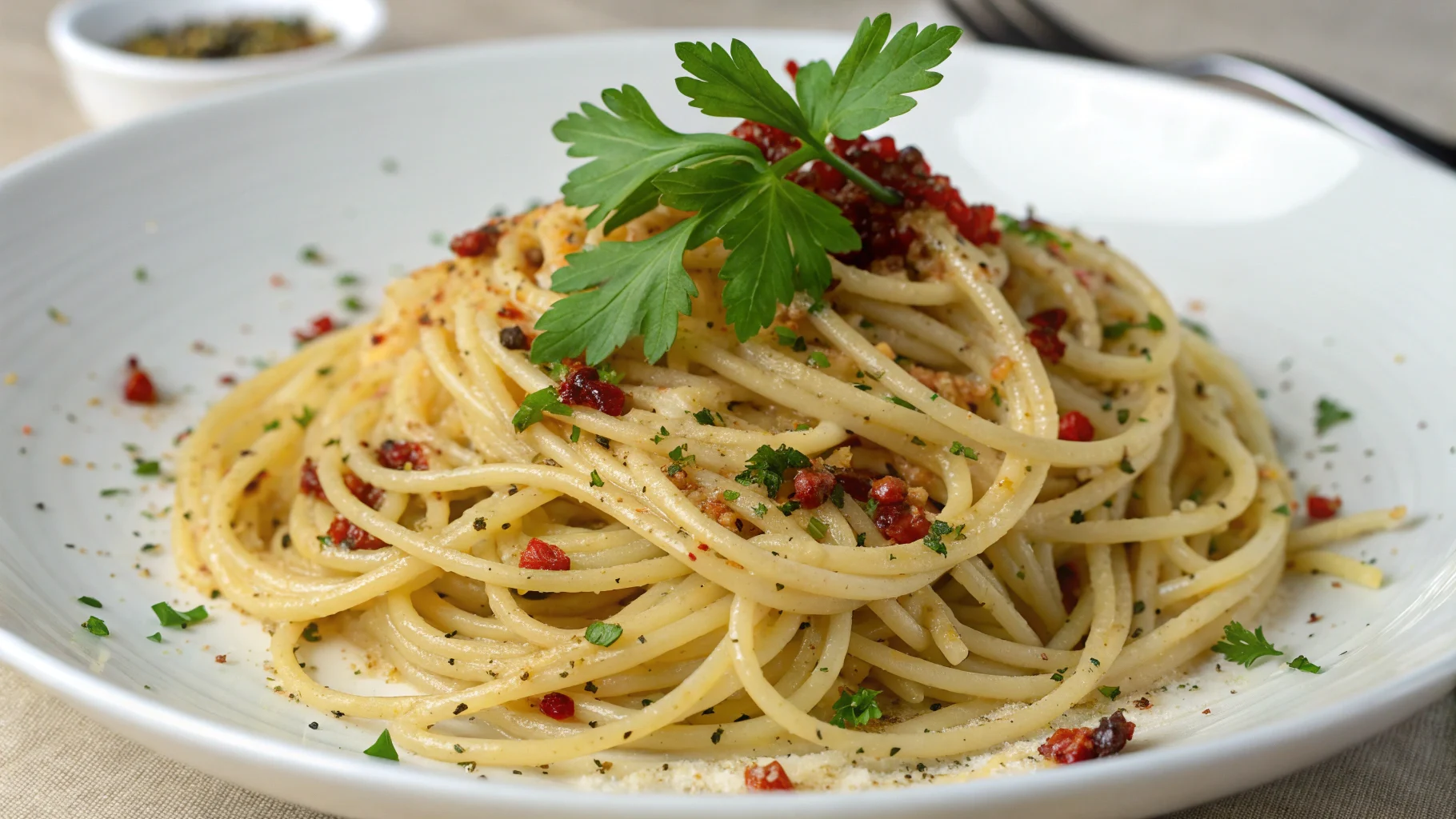
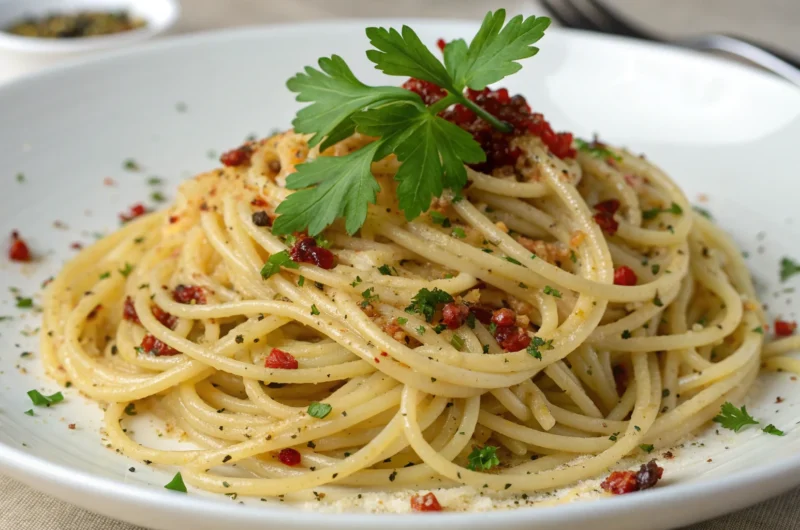
Classic Spaghetti Aglio e Olio: 15-Minute Pasta Magic

You don’t need a culinary degree to make greatness. You need garlic, good olive oil, and a pan that gets hot—fast. This is the pasta you cook when you want applause without effort.
It’s the Italian equivalent of a mic drop: minimal ingredients, huge flavor, zero stress. If you’ve got 15 minutes and standards, this is your signature move.
Why This Recipe Never Fails
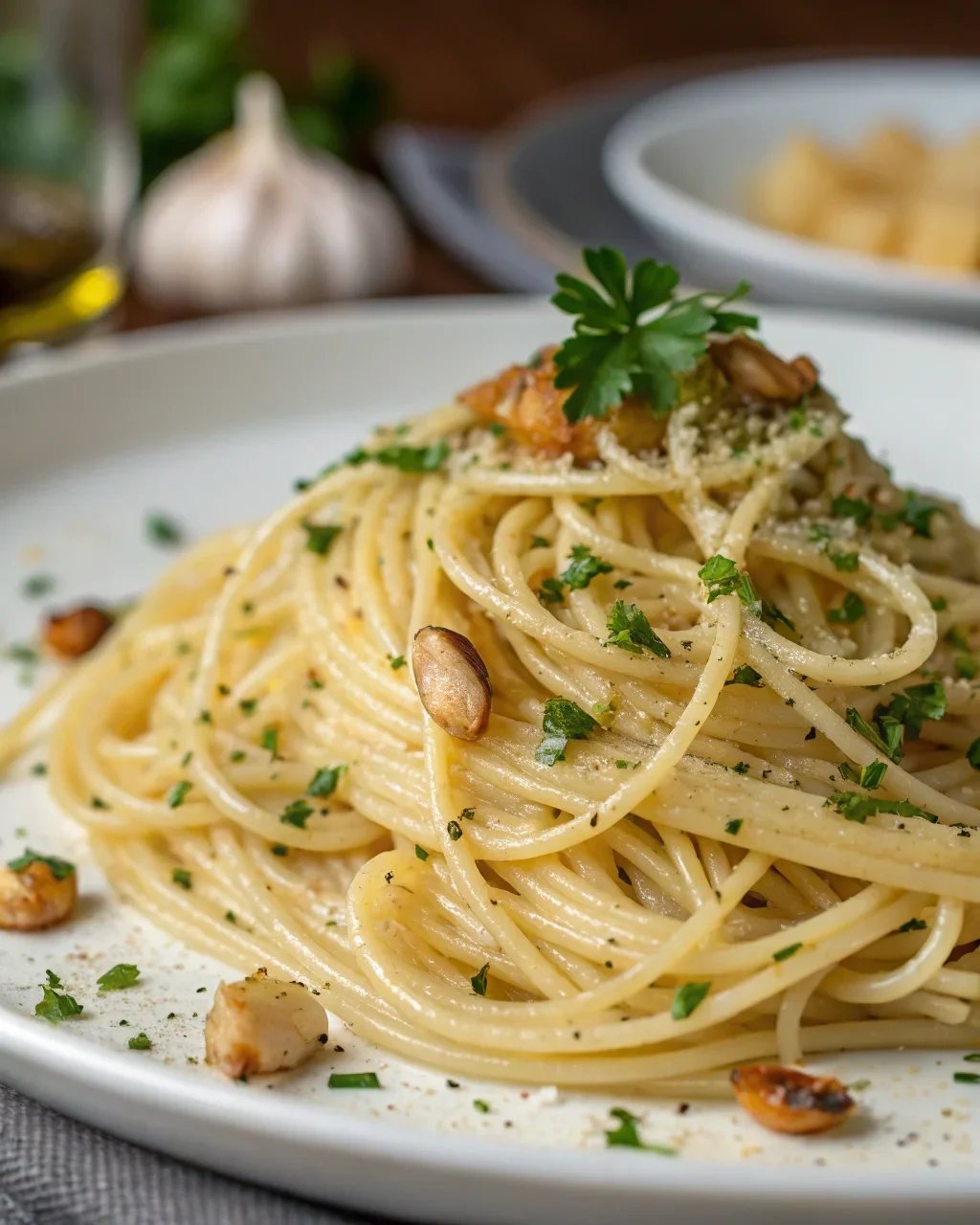
Simple food is honest, and honest food is hard to screw up. With Aglio e Olio, you’re working with pantry staples that love each other: garlic, chili, parsley, and olive oil.
The magic is in the emulsion—starchy pasta water swirling with oil until glossy. Even if you’re “not a cook,” this recipe will make people suspicious you might be.
Classic Spaghetti Aglio e Olio: 15-Minute Pasta Magic
Course: Dinner, Pasta4
servings5
minutes10
minutes520
kcalIngredients
12 oz (340 g) spaghetti
6–8 cloves garlic, thinly sliced (not minced)
1/2 cup extra-virgin olive oil (good quality matters)
1–1.5 tsp red pepper flakes (adjust to heat preference)
1/2 cup fresh parsley, finely chopped
1 tsp kosher salt, plus more for pasta water
Freshly ground black pepper, to taste
1/2–3/4 cup reserved pasta water
Optional: zest of 1 lemon, and a squeeze of juice
Optional (non-traditional): grated Parmesan or Pecorino
Step-by-Step Instructions
- Salt the water like the ocean: Bring a large pot of water to a rolling boil and add a generous handful of salt. It should taste pleasantly salty—this is your only chance to season the pasta from within.
- Start the spaghetti: Add spaghetti and cook until just shy of al dente (about 1 minute less than package instructions). Before draining, reserve at least 1 cup of starchy pasta water.
- Warm the oil, don’t scorch it: In a large skillet over medium heat, add olive oil. When it shimmers, add the garlic slices. Cook gently, swirling the pan, until the edges turn light golden. If it browns too fast, lower the heat—burnt garlic = bitter regret.
- Add the heat: Stir in red pepper flakes and a pinch of salt. Warm them for 15–20 seconds to bloom the flavor. You should smell a gentle chili-garlic perfume, not smoke.
- Emulsify like a pro: Add 1/2 cup reserved pasta water to the skillet and simmer for 30–45 seconds to form a loose, glossy sauce.
- Toss to coat: Add drained spaghetti to the skillet. Toss vigorously over medium heat for 1–2 minutes, adding more pasta water as needed to keep it silky and saucy—not oily.
- Finish fresh: Turn off heat. Add parsley, black pepper, and lemon zest (if using). Toss again. Taste and adjust salt. A small squeeze of lemon brightens everything, IMO.
- Serve immediately: Plate it hot. If you’re going rogue, pass grated cheese at the table—but know the purists are judging.
How Long Does It Keep?
This dish is best eaten right away when the emulsion is glossy.
Leftovers keep in the fridge for up to 2 days in an airtight container. Reheat gently in a skillet with a splash of water and a drizzle of olive oil. Microwave works in a pinch, but the texture won’t be as silky—still perfectly edible, zero shame.
Better-for-You Benefits
– Olive oil brings heart-healthy monounsaturated fats and polyphenols. – Garlic offers potential immune and cardiovascular perks (allicin FTW). – Parsley adds vitamin K, vitamin C, and a fresh hit of antioxidants. – Controlled portions mean you get comfort food without the food-coma tax.
It’s not a salad, but it’s a smart, balanced carb + fat combo when paired with a simple side of greens.
Nutrition Stats
Per serving (estimate, without cheese): – Calories: ~520 – Carbs: ~65 g – Protein: ~12 g – Fat: ~22 g (mostly from olive oil) – Fiber: ~3 g – Sodium: varies with salt use Add 1 oz cheese and you’ll tack on ~110 calories, 7 g fat, and 9 g protein.
What Can Go Wrong
- – Burnt garlic. It turns bitter and hijacks the dish. Keep heat moderate and pull the pan if it starts browning too fast.
- – Greasy pasta. If you skip the pasta water or don’t emulsify, oil separates. Toss with starchy water until it clings.
- – Under-seasoned noodles. If the cooking water isn’t salty, nothing saves it later.
- Season the water properly.
- – Bland flavor. Use fresh garlic, fresh parsley, and decent olive oil. Stale oil tastes sad.
- – Soggy spaghetti. Overcooking ruins the bite. Aim for al dente; it will finish in the pan.
FAQ
Can I mince the garlic instead of slicing?
Slicing is best. Thin slices cook evenly and perfume the oil without burning as fast. Minced garlic can turn harsh and catch quickly, so if you must use it, keep the heat low and watch it like a hawk.
Is cheese really “not allowed” on Aglio e Olio?
Traditionally, no cheese.
Practically, your kitchen, your rules. A little Parmesan or Pecorino adds body and salt, but it’s optional and slightly non-traditional—consider it a wink, not a crime.
What kind of olive oil should I use?
Use a good, peppery extra-virgin olive oil with fresh aroma. If it smells flat or waxy, skip it.
This recipe puts the oil on center stage, so quality shows.
How spicy should it be?
Spice is adjustable. Start with 1 teaspoon chili flakes for a gentle warmth and move up to 1.5 teaspoons if you like a proper kick. Different brands vary, so taste and calibrate.
Can I make it ahead?
You can prep components—slice garlic, chop parsley—but cook and toss the pasta right before serving.
The silkiness fades as it sits. If you need to hold it, keep a splash of hot pasta water handy and re-toss just before plating.
Why didn’t my sauce get glossy?
You likely didn’t emulsify long enough or used too little pasta water. Add hot starchy water in small splashes and toss over medium heat until the oil and water become one shiny team.
To Sum It Up
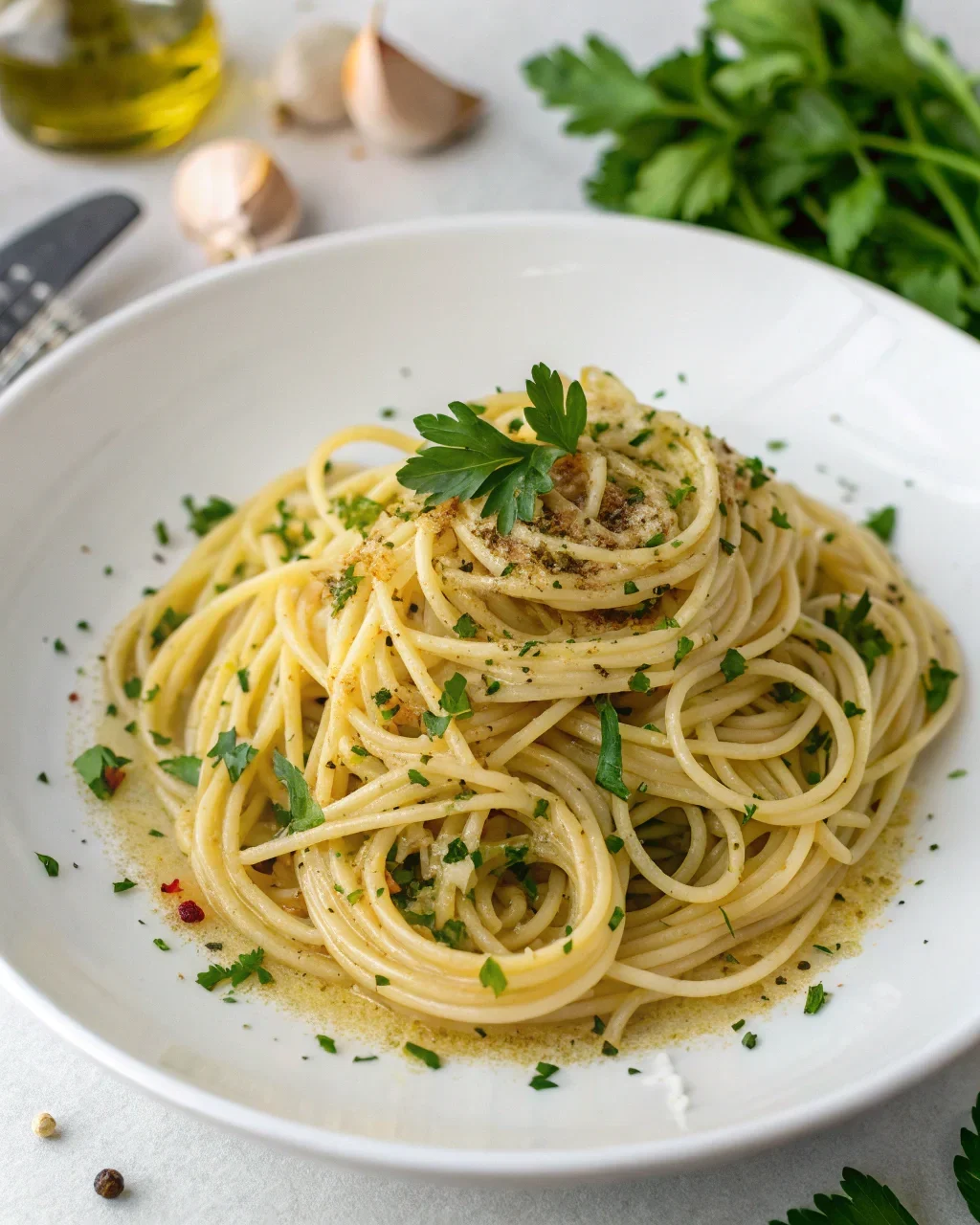
Classic Spaghetti Aglio e Olio is proof that minimalism can be luxurious.
Perfectly cooked pasta, golden garlic, good olive oil, and a quick emulsion—that’s the whole playbook. It’s weeknight-fast, guest-worthy, and endlessly tweakable.
Make it once and it’ll become your emergency dinner, your date-night flex, and your “I deserve nice things” meal—all in 15 minutes flat.