Homemade Classic Pizza Sauce That Slaps—No Jar Needed

Skip the jar. You’re four ingredients away from a sauce that makes delivery taste like a sad memory. This Homemade Classic Pizza Sauce is bright, bold, and ready in the time it takes your oven to preheat.
It clings to dough like a hug and turns cheap mozzarella into a power move. Want your pizza to actually taste like pizza? Start here.
What Makes This Irresistible
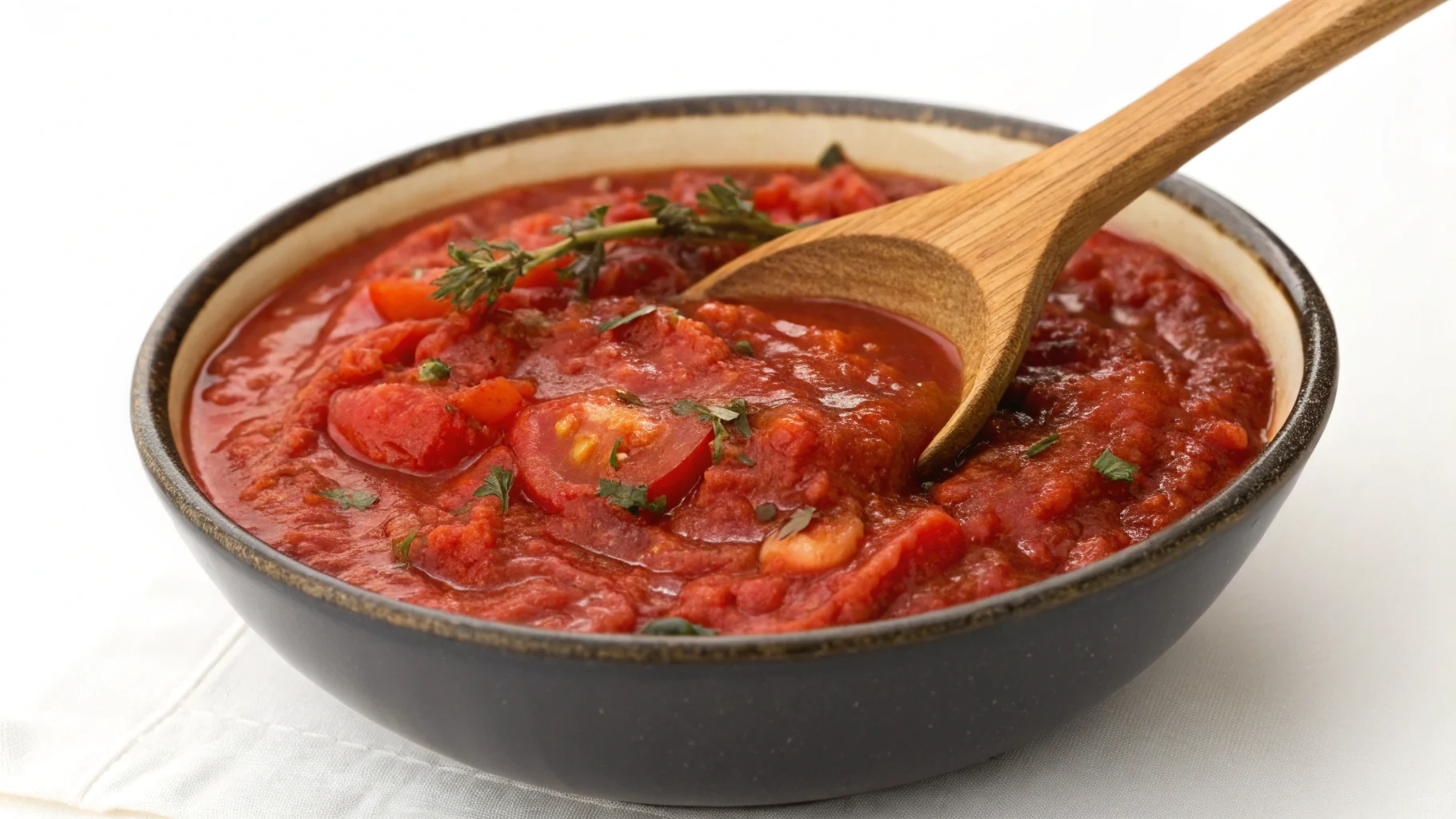
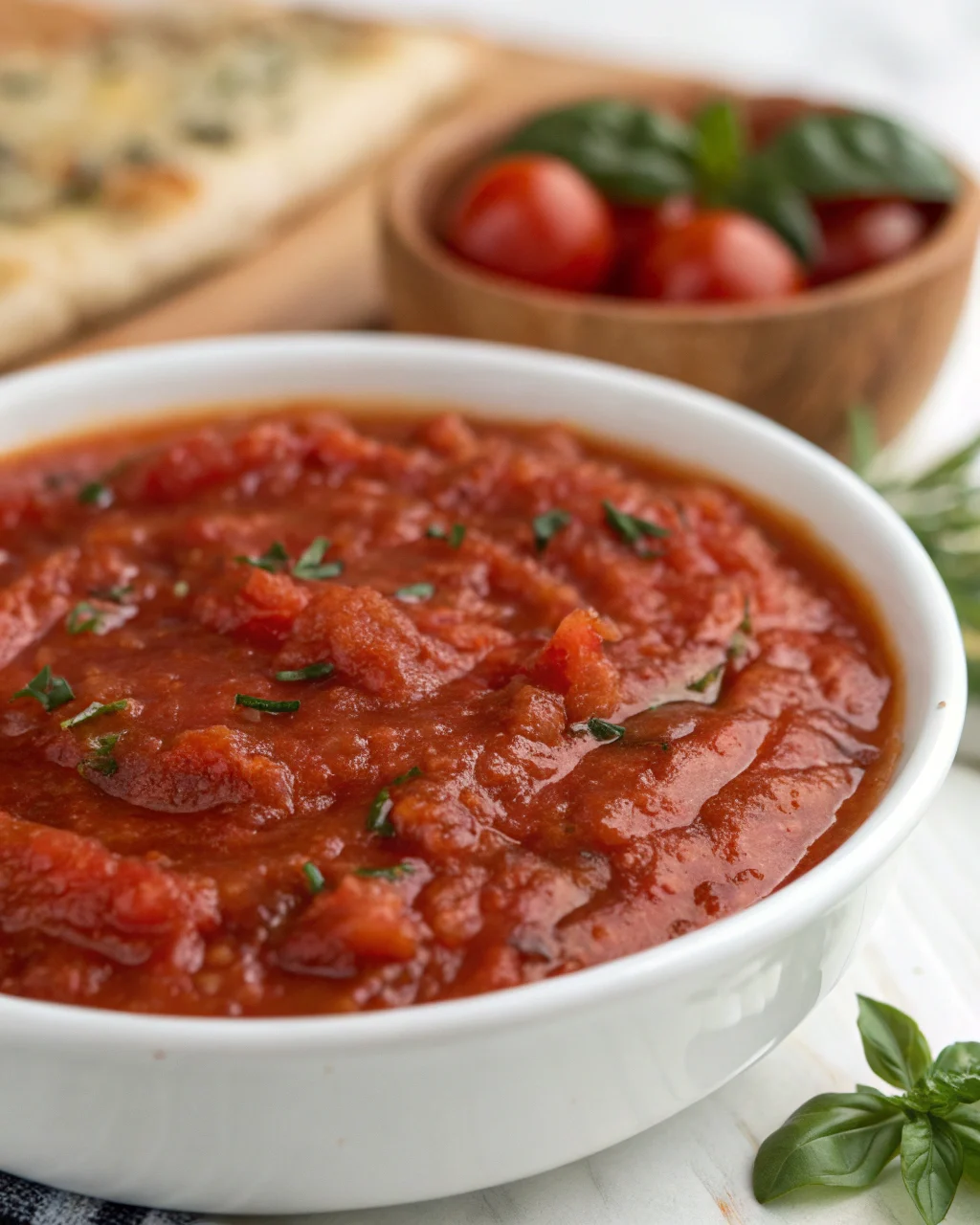
This sauce uses crushed tomatoes and a quick simmer to create a thick, spoon-coating base with real tomato flavor—not sugary ketchup vibes.
A touch of olive oil, garlic, and herbs rounds it out without stealing the show from your toppings. It’s balanced: a little acidity, a whisper of sweetness, and a savory backbone that stands up to high heat.
Plus, it’s a small-batch hero or a big-batch winner—freeze some and future you will send a thank-you note.
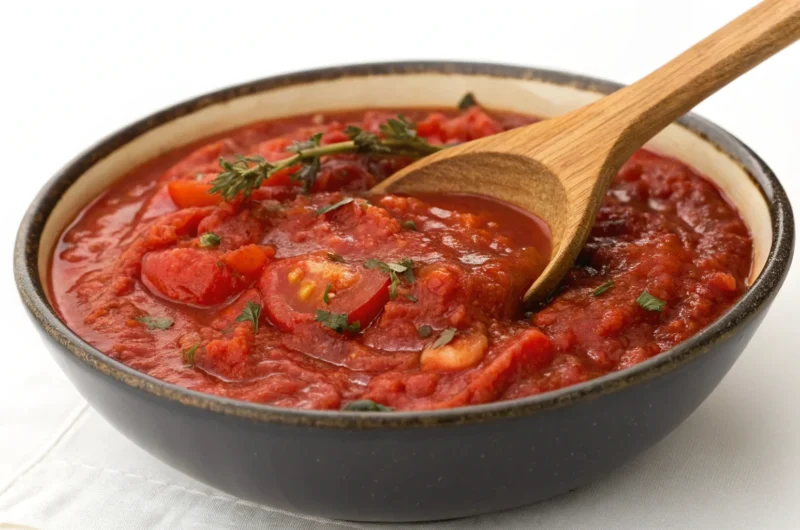
Homemade Classic Pizza Sauce That Slaps—No Jar Needed
Course: Vegetarian3 cups
servings10
minutes25
minutes45
kcalIngredients
28 oz can crushed tomatoes (preferably San Marzano or certified equivalent) — the flavor anchor.
2 tbsp extra-virgin olive oil — for body and silky texture.
3 cloves garlic, finely minced — aromatic punch without overpowering.
1 tsp dried oregano — classic pizzeria vibe.
1 tsp dried basil — rounds out the herb profile; fresh is fine, but dried holds up to simmering.
1/2 tsp onion powder — subtle sweetness and depth.
1/2 tsp kosher salt (adjust to taste) — brings everything into focus.
1/2 tsp sugar (optional) — only if your tomatoes are extra tangy.
1/4 tsp crushed red pepper flakes — mild heat; skip if you’re spice-averse.
1–2 tbsp tomato paste — intensifies color and umami; helps thickness.
Freshly ground black pepper — to taste.
Step-by-Step Instructions
- Warm the oil: Set a medium saucepan over medium heat. Add olive oil and let it shimmer—no smoke!
- Sauté the garlic: Add minced garlic and cook 30–45 seconds until fragrant. Do not brown it unless you enjoy bitterness, in which case… don’t.
- Build the base: Stir in tomato paste and cook 1 minute to caramelize slightly. This deepens flavor fast.
- Add tomatoes and seasonings: Pour in crushed tomatoes. Add oregano, basil, onion powder, red pepper, salt, sugar (if needed), and a few grinds of pepper. Stir well.
- Simmer low and steady: Reduce heat to low and cook 20–25 minutes, uncovered, stirring occasionally. You want gentle bubbles and a sauce that thickens enough to coat the back of a spoon.
- Taste and adjust: Check salt and acidity. If it’s too sharp, add a pinch more sugar or a drizzle of olive oil. If it’s flat, add a pinch of salt or a splash of red wine vinegar—sparingly.
- Texture tune-up: For ultra-smooth sauce, blitz with an immersion blender 10–20 seconds. For rustic, leave it as-is. IMO, a little texture wins on pizza.
- Cool before using: Let the sauce cool to just warm before spreading on dough. Hot sauce can make dough soggy.
Best Ways to Store
- Fridge: Up to 5 days in an airtight container. A thin layer of olive oil on top helps preserve freshness.
- Freezer: Up to 3 months.
Portion into 1/2-cup or 1-cup bags or silicone trays for grab-and-go pizza nights.
- Thawing: Overnight in the fridge or gently in a saucepan over low heat. Avoid the microwave blast; it can split the sauce.
- Reheat: Warm gently and stir. If it’s too thick, add 1–2 teaspoons water to loosen.
Better-for-You Benefits
- Lower sugar than store-bought: You control sweetness.
Many jars hide 4–6 grams per serving. Yikes.
- Rich in lycopene: Cooked tomatoes pack this antioxidant linked to heart health.
- Healthy fats: Extra-virgin olive oil supports nutrient absorption and flavor—win-win.
- No artificial junk: No stabilizers, gums, or mystery “natural flavors.” Just real ingredients that read like a grocery list.
Nutrition Stats
Per 1/4 cup serving (approximate): 45 calories, 2.5g fat, 6g carbs, 2g fiber, 3g sugar (mostly natural), 1g protein, 220mg sodium. Values vary with brand of tomatoes and salt level.
What to Avoid
- Burning the garlic: It goes from fragrant to bitter in seconds.
Keep heat moderate and eyes on the pan.
- Watery sauce: If you don’t simmer long enough, your dough pays the price. Aim for thick but spreadable.
- Too many herbs: This is pizza sauce, not a garden. Keep it classic so toppings can shine.
- Over-salting early: Sauce concentrates as it simmers.
Season, simmer, then adjust.
- Cheap tomatoes: You can’t out-season bad base ingredients. Better tomatoes = better sauce, period.
Switch It Up
- Neapolitan-leaning: Skip the simmer. Whisk crushed tomatoes, 1 tbsp olive oil, 1 minced garlic clove, pinch of salt, and a touch of oregano.
Use fresh. Super bright.
- Spicy arrabbiata twist: Increase red pepper to 1 tsp and add a pinch of smoked paprika.
- Herb-forward: Add 1 tbsp chopped fresh basil and 1 tsp fresh oregano at the end for a fresher, green note.
- Umami boost: Stir in 1 tsp fish sauce or 1/2 tsp anchovy paste with the tomato paste. It won’t taste fishy—just deeper.
- Roasted garlic: Swap raw garlic for 4–5 cloves of roasted garlic for sweetness and mellow depth.
- No-cook freezer batch: Blend tomatoes, olive oil, garlic powder (not fresh), oregano, basil, salt, and pepper; rest 30 minutes before portioning.
Great for emergency pizza nights.
FAQ
Can I use fresh tomatoes instead of canned?
Yes, but use meaty varieties like Roma or San Marzano. Peel, seed, and crush about 2.5–3 pounds, then simmer longer to drive off water. Canned are consistent year-round, FYI.
Is sugar necessary in pizza sauce?
No.
It’s optional and depends on tomato acidity. Start without and only add a small pinch if it tastes sharp or metallic.
How thick should pizza sauce be?
Think spreadable but not runny—about the thickness of Greek yogurt that’s been stirred. It should sit on the dough without pooling.
Do I need to cook the sauce before baking pizza?
For this recipe, yes—brief simmering concentrates flavors and prevents sogginess.
If you want a no-cook style, keep the sauce very simple and use high-quality tomatoes.
Can I use this for pasta?
Absolutely. Loosen with a splash of pasta water and finish with a knob of butter or extra olive oil. It’s a speedy weeknight lifesaver.
How much sauce should I use per pizza?
For a 12-inch pizza, 1/3 to 1/2 cup is ideal.
More than that and you risk a soggy middle and cheese slippage—tragic.
What if my sauce tastes flat?
Add a pinch of salt, a drizzle of olive oil, or a tiny splash of red wine vinegar. Balance is everything—adjust little by little.
Can I can (jar) this sauce for shelf storage?
This specific recipe isn’t tested for canning safety. For shelf-stable canning, use a tested recipe with verified acidity and processing times.
End Notes
Great pizza isn’t magic—it’s details.
Use solid tomatoes, don’t scorch the garlic, and simmer just enough for a thick, glossy sauce. Make a double batch and stash some in the freezer.
Then the next time a pizza craving hits, you’re not dialing delivery—you’re pulling a pro move right from your kitchen.