Sugar-Free Balsamic Vinaigrette – A Bright, Balanced Everyday Dressing

This sugar-free balsamic vinaigrette brings big flavor without the added sugar. It’s tangy, slightly sweet from the vinegar itself, and silky enough to cling to greens and veggies. You can whisk it up in minutes with pantry staples and customize it to suit your taste.
It’s great for anyone looking to cut back on sugar without losing taste. Keep a jar in the fridge and your salads will never feel like an afterthought again.

Sugar-Free Balsamic Vinaigrette - A Bright, Balanced Everyday Dressing
Ingredients
Method
- Set your ratio: Aim for 3 parts olive oil to 1 part balsamic vinegar as a starting point.For example, 3/4 cup oil to 1/4 cup vinegar.
- Combine the base: In a bowl or jar, add the balsamic vinegar, 1 to 2 teaspoons Dijon mustard, and a pinch of salt and pepper.
- Add aromatics: Stir in 1 small minced garlic clove or 1 tablespoon finely chopped shallot. Let it sit for a minute to mellow.
- Emulsify: Whisk vigorously while slowly streaming in the olive oil. If using a jar, add oil, seal, and shake for 20–30 seconds.
- Taste and adjust: Add more salt, pepper, or mustard to round out the flavor.If it’s too sharp, a splash of water or lemon can balance it without sugar. For a sweeter profile, add 1–3 drops of liquid stevia, tasting as you go.
- Let it rest: Give it 5–10 minutes. The flavors blend and the garlic softens.
- Serve: Drizzle over greens, roasted vegetables, grilled chicken, or grain bowls.Toss gently so everything is lightly coated.
Why This Recipe Works

This dressing leans on the natural sweetness of high-quality balsamic vinegar, so there’s no need for sugar or honey. A classic ratio of oil to acid keeps it balanced and smooth.
A touch of Dijon mustard emulsifies the dressing, helping the oil and vinegar stay together longer. Fresh garlic or shallot adds bite, while salt and pepper round everything out. The result is a bright, versatile dressing that feels polished but takes only a few minutes to make.
What You’ll Need
- Balsamic vinegar: Choose a good-quality, aged balsamic for natural sweetness and depth.
- Extra-virgin olive oil: A peppery, fruity oil gives body and flavor.
- Dijon mustard: Helps emulsify and adds tang.
- Garlic or shallot: Freshly minced; start small and adjust to taste.
- Salt: Fine sea salt dissolves well.
- Freshly ground black pepper: Adds gentle heat and lift.
- Optional boosters: Red pepper flakes, dried oregano, Italian seasoning, a splash of lemon juice, or a few drops of liquid stevia if you prefer extra sweetness without sugar.
How to Make It

- Set your ratio: Aim for 3 parts olive oil to 1 part balsamic vinegar as a starting point.For example, 3/4 cup oil to 1/4 cup vinegar.
- Combine the base: In a bowl or jar, add the balsamic vinegar, 1 to 2 teaspoons Dijon mustard, and a pinch of salt and pepper.
- Add aromatics: Stir in 1 small minced garlic clove or 1 tablespoon finely chopped shallot. Let it sit for a minute to mellow.
- Emulsify: Whisk vigorously while slowly streaming in the olive oil. If using a jar, add oil, seal, and shake for 20–30 seconds.
- Taste and adjust: Add more salt, pepper, or mustard to round out the flavor.If it’s too sharp, a splash of water or lemon can balance it without sugar. For a sweeter profile, add 1–3 drops of liquid stevia, tasting as you go.
- Let it rest: Give it 5–10 minutes. The flavors blend and the garlic softens.
- Serve: Drizzle over greens, roasted vegetables, grilled chicken, or grain bowls.Toss gently so everything is lightly coated.
Keeping It Fresh
Store the vinaigrette in a sealed glass jar in the fridge for up to 7–10 days. The olive oil may solidify when chilled; this is normal. Set the jar on the counter for 10–15 minutes, then shake or whisk to bring it back together.
If separation occurs, a quick shake will re-emulsify it.
Benefits of This Recipe
- Truly sugar-free: No added sugar or honey. The flavor relies on the vinegar and aromatics.
- Quick and budget-friendly: Uses pantry staples and takes under 5 minutes to make.
- Customizable: Adjust acidity, heat, and aromatics to match your meal.
- Versatile: Works as a salad dressing, marinade, or finishing drizzle.
- Better control: You manage the ingredients, sodium, and quality of oil.
Pitfalls to Watch Out For
- Too harsh or acidic: If it tastes sharp, add a splash of water, a little more oil, or a pinch more salt to round it out.
- Overpowering garlic: Raw garlic can dominate. Start with a small amount and let the dressing rest before adding more.
- Poor emulsification: If the dressing splits quickly, whisk in another 1/2 teaspoon Dijon or shake it longer.
- Low-quality vinegar: Thin, overly tart balsamic won’t bring natural sweetness.Choose a better bottle if possible.
- Too thick or heavy: If it feels oily, thin with a teaspoon of water or a bit more vinegar until it’s lighter.
Alternatives
- Vinegar swap: Try red wine vinegar for a drier, brighter dressing; sherry vinegar for a nutty twist; or apple cider vinegar for fruity tang.
- Herb route: Add dried oregano, thyme, or basil for an Italian-style vibe. Fresh herbs are great—just use within a few days.
- Citrus lift: Add 1–2 tablespoons lemon juice for extra brightness, reducing balsamic slightly to keep balance.
- No mustard: If you avoid mustard, emulsify with a tablespoon of tahini or a spoonful of Greek yogurt for creaminess (note this changes flavor).
- Heat and smoke: A pinch of red pepper flakes or smoked paprika adds depth without sugar.
- Mild sweet note without sugar: A few drops of liquid stevia or monk fruit extract can soften the edges while keeping it sugar-free.
FAQ
Does balsamic vinegar contain sugar?
Balsamic vinegar has naturally occurring sugars from grapes, but this recipe adds no extra sugar. Aged balsamic tastes sweeter because of concentration, not added sugar.
If you track carbs strictly, check the label for nutrition details.
Can I make this vinaigrette without Dijon mustard?
Yes. The dressing may separate faster, but you can compensate by shaking well before each use. Alternatively, use a small amount of tahini or mayonnaise to help emulsify, understanding it will change the flavor.
What’s the best oil-to-vinegar ratio?
A 3:1 oil-to-vinegar ratio is a solid starting point.
If you prefer a tangier dressing, try 2:1. The best ratio is the one you enjoy most, so adjust after tasting.
How can I reduce the bite of raw garlic?
Let the minced garlic sit in the vinegar for a few minutes before adding oil. This softens the sharpness.
You can also use shallot for a milder, sweeter flavor.
Is this dressing good as a marinade?
Absolutely. It’s excellent for chicken, steak, tofu, or vegetables. Marinate proteins for 30 minutes to 2 hours, then pat dry before cooking to encourage browning.
How long does it last in the fridge?
About 7–10 days in a sealed container.
If you add fresh herbs, aim to use it within 3–5 days for best flavor and safety.
Can I blend it in a food processor?
Yes. Processing creates a very stable emulsion with a silkier texture. Add vinegar, mustard, and aromatics first, then stream in oil while blending.
Why did my dressing solidify?
Olive oil firms up in the fridge.
Let the jar sit at room temperature for a few minutes and shake. It will return to a pourable state.
How do I make it creamy without dairy?
Add 1–2 teaspoons tahini or a small piece of ripe avocado and blend. This creates a creamy, sugar-free dressing with a rich mouthfeel.
What salads pair best with this vinaigrette?
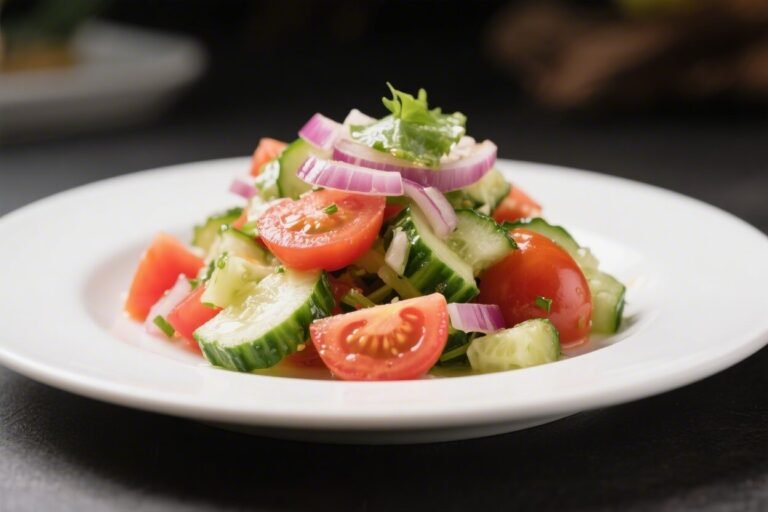
It’s great on mixed greens, arugula, spinach, and chopped salads with tomatoes, cucumbers, and olives.
It also complements roasted vegetables, mozzarella or feta, and grain bowls.
In Conclusion
This sugar-free balsamic vinaigrette is simple, adaptable, and full of flavor. With a few pantry ingredients, you get a balanced dressing that upgrades salads, vegetables, and proteins. Keep a jar on hand, taste as you go, and tweak the ratio to match your preferences.
Once you have this in your rotation, store-bought dressings will be an easy pass.