The Only Dorayaki Recipe You’ll Ever Need: Authentic Dorayaki (Japanese Red Bean Pancakes)

Soft, fluffy, honey-kissed pancakes hugging a sweet red bean filling—this is the snack that fueled a cartoon cat’s dreams and a nation’s sweet tooth. Most versions are either dry, rubbery, or way too sweet.
Not this one. You’ll get golden, pillow-like layers and a glossy anko center that tastes like nostalgia.
If you can flip a pancake and stir a pot, you can nail this. Ready to turn your kitchen into a Tokyo street stall?

The Story Behind This Dish
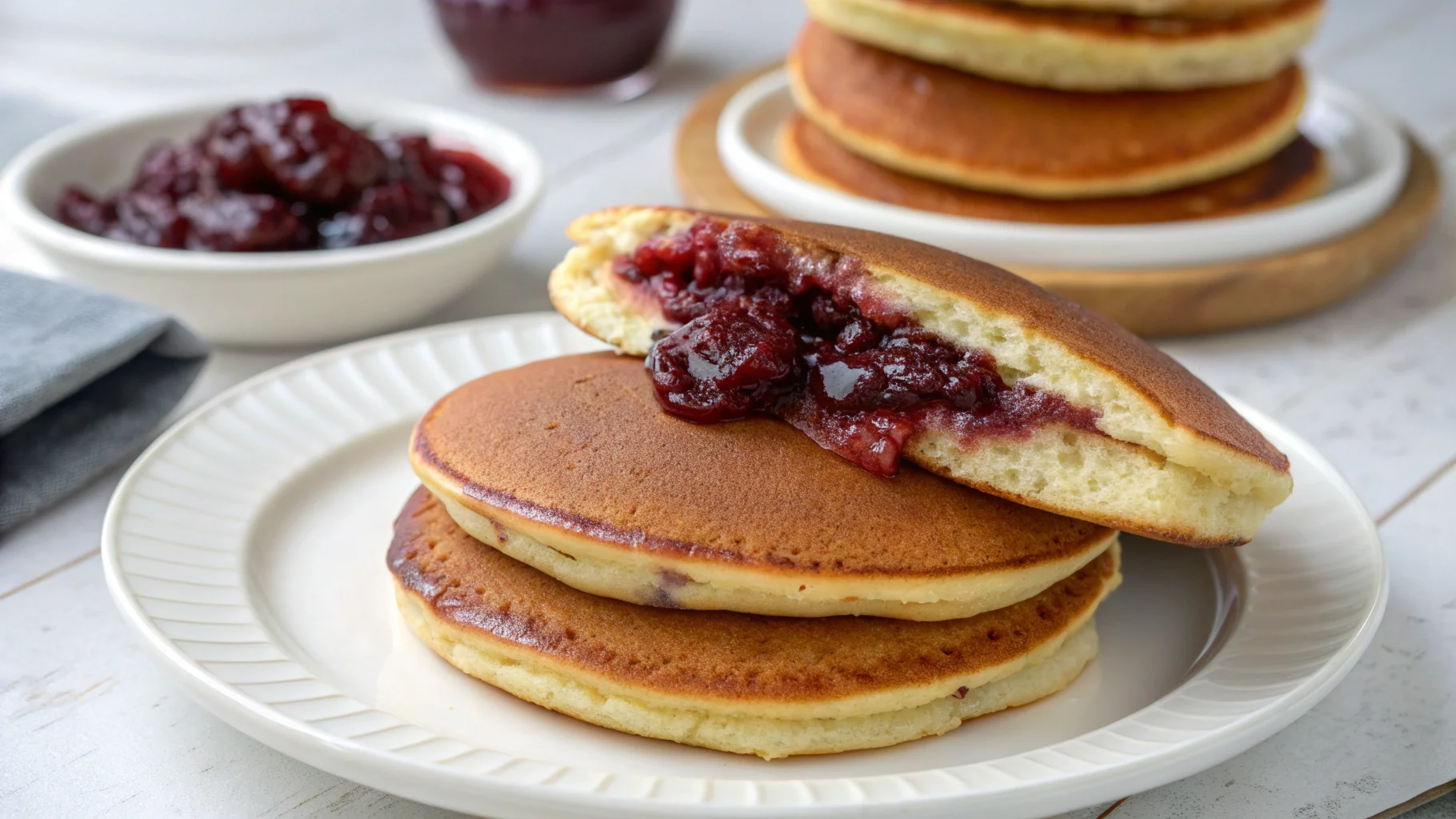
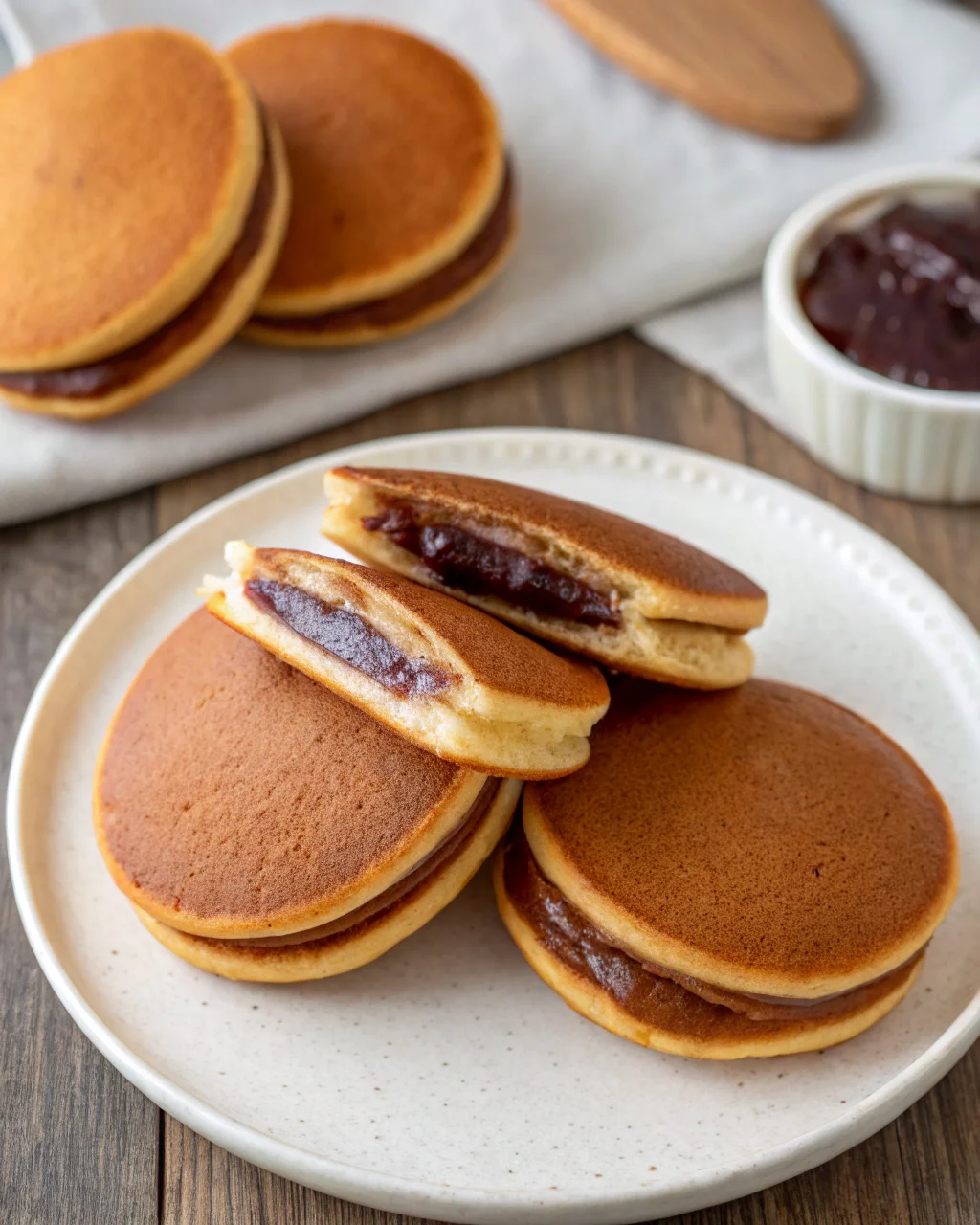
Dorayaki is a beloved Japanese wagashi (traditional confection) made from two castella-like pancakes sandwiched around anko, a red bean paste.
Legend says a samurai left his gong (dora) behind, and a villager cooked pancakes on it—hence the name. Cute story, even if the etymology is debatable.
What’s not debatable: dorayaki is everywhere in Japan—from school snack boxes to high-end tea shops—and when done right, it’s sensationally simple.

The Only Dorayaki Recipe You’ll Ever Need: Authentic Dorayaki (Japanese Red Bean Pancakes)
Course: Snack6
servings15
minutes30
minutes210
kcalIngredients
All-purpose flour: 150 g (1¼ cups)
Baking powder: 1 tsp
Fine sea salt: 1 small pinch
Large eggs: 2
Granulated sugar: 70 g (⅓ cup)
Honey: 1½ tbsp (for color and moisture)
Mirin: 1 tbsp (optional, authentic touch and shine)
Milk or water: 60–80 ml (4–5 tbsp), adjust for consistency
Neutral oil: A few drops for the pan (wipe off excess)
Anko (sweet red bean paste): 300–360 g (10–12 oz)
Optional: ½ tsp vanilla or yuzu zest for a subtle twist
Step-by-Step Instructions
- Whisk the wet team: In a bowl, whisk eggs, sugar, honey, and mirin until the mixture lightens and looks slightly foamy (about 1 minute). This aeration equals fluffier pancakes—don’t skip it.
- Sift the dry team: In another bowl, whisk flour, baking powder, and salt. Sifting removes lumps and keeps the batter silky.
- Combine carefully: Add dry to wet in two additions. Gently fold until just blended. Add 4 tbsp milk/water to reach a thick, pourable batter—think pancake batter, but a bit more cohesive.
- Rest the batter: Cover and let sit 30 minutes. This hydrates the flour and relaxes the gluten for that signature smooth surface.
- Adjust consistency: After resting, if the batter is too thick (gloppy), add 1–2 tbsp more milk/water. It should ribbon off the spoon slowly.
- Heat the pan: Preheat a nonstick skillet over low to medium-low. Lightly oil, then wipe almost completely with a paper towel. A nearly dry surface creates even browning.
- Cook small and steady: Pour 2 tablespoons batter per pancake (about 7–8 cm / 3 inches). Keep circles compact for that classic domed look.
- Watch the bubbles: When small bubbles form and the surface loses its wet sheen (1½–2 minutes), flip. Cook another 30–45 seconds. Aim for a deep golden-brown “castella” color.
- Repeat: Wipe the pan lightly between batches if needed. Consistent heat = consistent color.
- Prep the filling: Portion 1–2 tbsp anko per pancake. If your anko is very firm, knead briefly to soften; if very loose, chill it for 10 minutes.
- Assemble: Place a dollop of anko on the browned side of one pancake. Top with a second pancake, browned side out, and gently press to spread the filling evenly to the edges.
- Set the seam: Wrap each dorayaki in plastic for 10–15 minutes. This traps moisture, softening the edges and giving that signature mochi-like bite. Worth it.
How to Store It Right
- Room Temp: Up to 24 hours in an airtight container if your kitchen is cool.
- Fridge: 3–4 days, wrapped individually. Let sit 10–15 minutes at room temp before eating for best texture.
- Freeze: Wrap each tightly and freeze up to 1 month.
Thaw in the fridge overnight; warm briefly in a covered pan if you like them softer.
Why This Recipe Rocks
- Texture on point: Honey plus resting equals plush, springy pancakes—no dense pucks.
- Authentic flavor: Mirin adds a subtle gloss and aroma you’ll recognize from shops in Japan.
- Balanced sweetness: The batter isn’t cloying, so the anko can shine (FYI: that’s the star).
- Foolproof method: Simple steps, pro tips, and minimal gear. No stand mixer flex required.
Nutrition Stats
Per dorayaki (1, filled), approximate:
- Calories: ~210
- Carbs: ~40 g
- Protein: ~5 g
- Fat: ~3 g
- Fiber: ~2–3 g (varies by anko type)
- Sodium: ~120 mg
Note: Using koshi-an (smooth paste) vs. tsubu-an (chunky) changes fiber and sugar slightly.
Homemade anko with less sugar can shave off a few calories.
Little Mistakes, Big Impact
- Overmixing: Tough pancakes. Fold gently; lumps are okay.
- Skipping the rest: Leads to uneven color and rubbery texture.
Patience pays.
- Too much oil: Splotchy surfaces. Wipe the pan almost dry.
- High heat: Burnt outsides, raw insides.
Keep it low and steady.
- Watery anko: Slips out the sides. Chill or cook down briefly to thicken, IMO.
Switch It Up
- Custard cream: Swap anko for pastry cream for a bakery-style spin.
- Matcha batter: Add 1–2 tsp matcha powder to dry ingredients; reduce flour slightly.
- Chocolate-hazelnut: Not traditional, but your taste buds won’t complain.
- Chestnut cream (kuri): Autumn favorite—mix anko with chestnut paste 1:1.
- Black sesame anko: Stir 1–2 tbsp ground black sesame into the filling for a nutty depth.
- Dairy-free: Use water or plant milk.
Works like a charm.
FAQ
What’s the difference between tsubu-an and koshi-an?
Tsubu-an is chunky red bean paste with bits of skin; koshi-an is silky-smooth and strained. Tsubu-an offers more texture and fiber, while koshi-an gives a refined, melt-in-your-mouth feel.
Both are authentic—pick your vibe.
Can I make anko from scratch?
Yes. Simmer adzuki beans until tender, sweeten with sugar, and cook down until thick.
For koshi-an, blend and strain through a fine sieve, then cook again to remove excess water. It’s a project, but the flavor is elite.
Why aren’t my pancakes evenly browned?
Heat is too high or the pan is too oily.
Keep the pan at medium-low and wipe off excess oil. Also, let the first side cook until the surface loses shine—flipping too early = pale chaos.
Can I make the batter ahead?
Yes, up to a few hours in the fridge.
Bring to room temp and stir gently, adjusting with a splash of milk if it thickens. Don’t store overnight—the baking powder weakens.
How much filling should I use?
About 1–2 tablespoons per dorayaki, depending on size and your sweet tooth.
Too much and it squishes out; too little and, well, why are we here?
Is mirin necessary?
No, but it adds subtle aroma and a glossy, bakery-like finish. If you skip it, you can add an extra ½ tbsp honey for moisture.
Keep it balanced.
Final Thoughts
Dorayaki looks humble, but the details turn it from “just pancakes” into a legit wagashi experience. Rest the batter, watch your heat, and treat the anko with respect.
Do that, and you’ll get soft, golden layers hugging